
India, Brazil, and South Africa mark the IBSA Fund's 20th anniversary, reaffirming a commitment to non-prescriptive development partnerships and solidarity with developing nations across the Global South, overcoming diverse challenges together.
IBSA Fund Marks Two Decades of Commitment to Global South Partnership
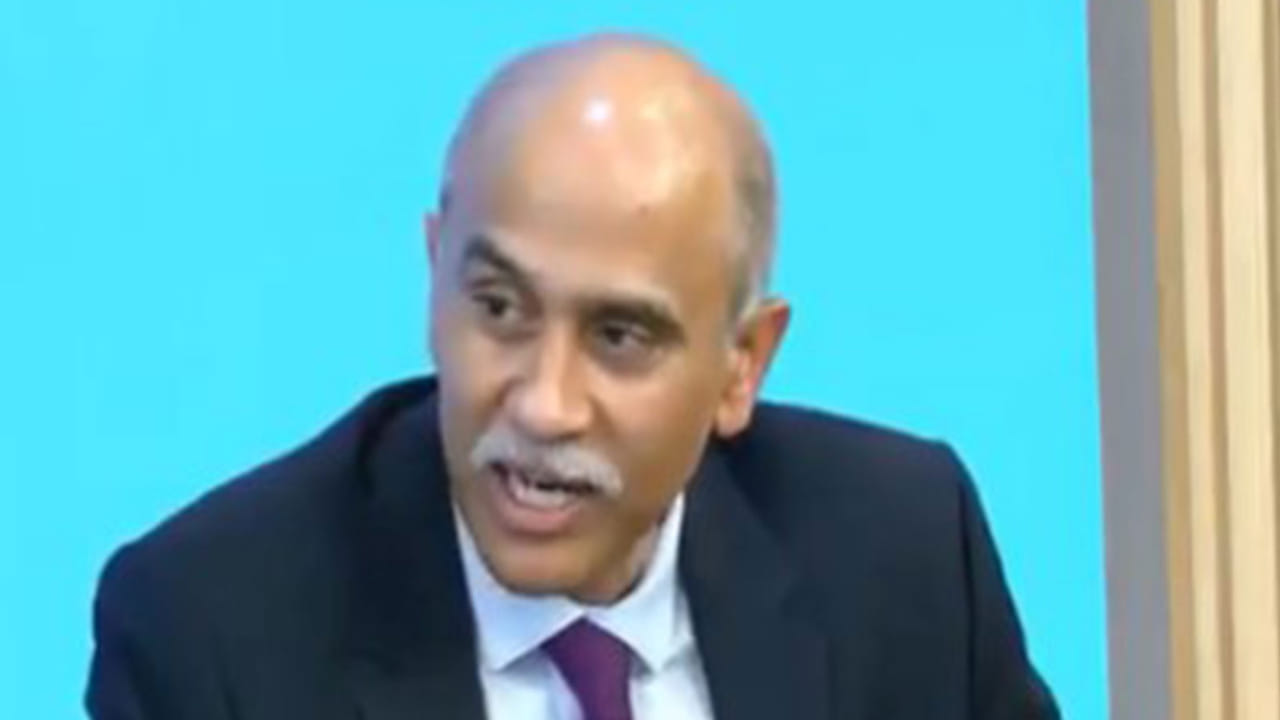
India, Brazil and South Africa, under the India-Brazil-South Africa (IBSA) Fund, are committed to extending partnerships to developing countries rather than imposing a prescriptive development model, India's Permanent Representative to the United Nations, Ambassador Parvathaneni Harish, said while highlighting the fund's two decades of South-South cooperation. Speaking on the occasion of the 20th anniversary of the IBSA Fund, Harish said the three countries shared a common commitment to supporting fellow developing nations while respecting their individual developmental priorities and requirements.
He highlighted that India, Brazil and South Africa, despite their geographical and cultural differences, shared similar developmental experiences and had overcome several challenges on their respective development journeys. "We are three large developing countries that are multi-ethnic, very, very diverse, culturally diverse societies in different continents. We have our own unique developmental pathways and very unique developmental challenges that we faced and we overcame and still are in the process of overcoming some of them," Harish said.
He added that the partnership was rooted in the historical solidarity forged during the decolonisation of Asia and Africa and the shared experiences of the three nations following independence. Highlighting the IBSA Fund's continued relevance, Harish said the partnership had maintained its commitment over the past 20 years despite a decline in Official Development Assistance (ODA) and changing global development priorities. "We are still standing strong with the same level of commitment and purpose when the ODA tide has ebbed. And today there is a movement in the other direction. So we are committed for the really long haul. We are here to extend a hand of partnership," he said.
Emphasising the fund's demand-driven approach, Harish said partner countries were free to identify their development priorities, with IBSA responding to their specific requirements rather than prescribing solutions. "It is not a prescriptive approach. It is our friends and partners who determine what they want to focus on and we respond," he said, adding that the assistance provided through the fund was untied and based on the needs of partner countries.
Harish also noted that the developmental progress of India, Brazil and South Africa over the past two decades had strengthened their capacities and improved their ability to extend support to other developing nations. In a post on X, Harish said he had jointly commemorated the 20th anniversary of the IBSA Fund with the Permanent Representatives of Brazil, South Africa and several partner countries, including Angola, Saint Lucia, Mozambique, Timor-Leste and Palestine, along with United Nations implementation partners such as the UNDP and UNICEF. The IBSA Fund brings together India, Brazil and South Africa in an effort to strengthen South-South cooperation and support development initiatives across the Global South.










