
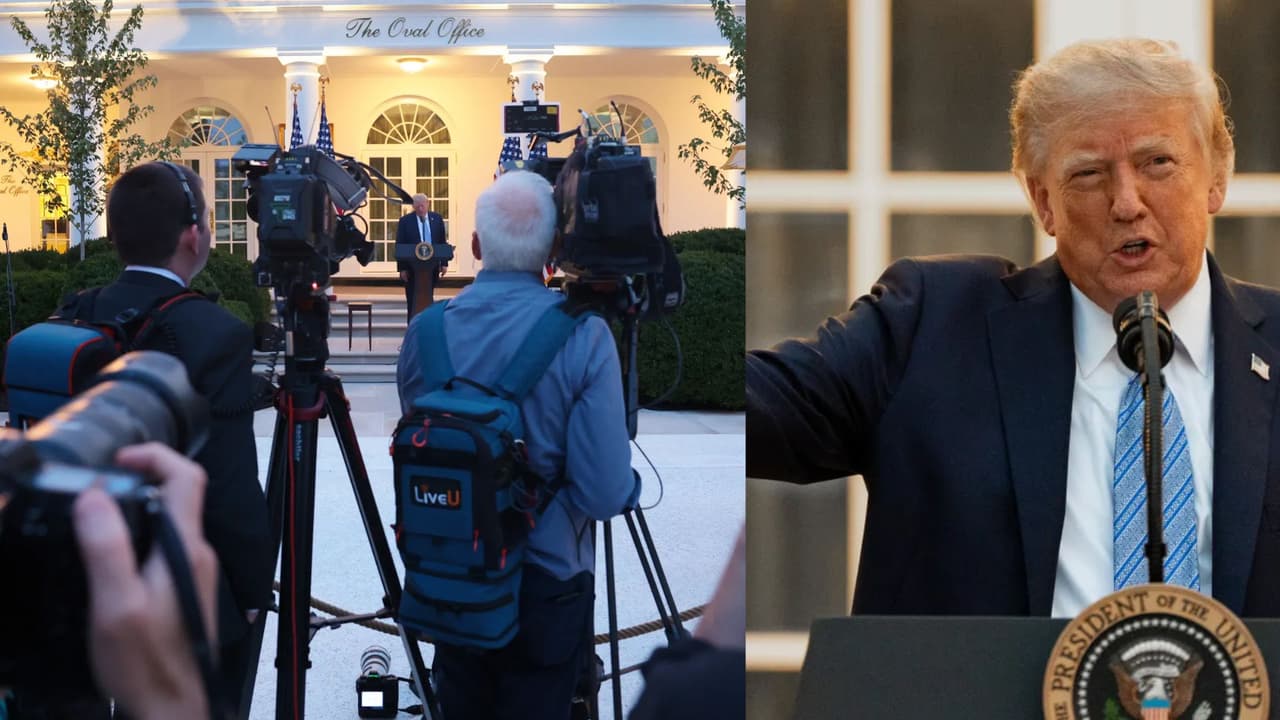
A major courtroom ruling has reshaped an escalating dispute between the White House and several prominent news organizations, setting up a broader legal battle over press access and constitutional protections.
A federal judge has ordered the Trump administration to restore White House access to journalists from CNN, MS NOW and Politico, delivering a significant legal setback in one of the administration’s most closely watched clashes with the media.
The ruling came after the three news organizations challenged a decision announced on September 18 that revoked their White House access. In a lawsuit filed earlier this week, the outlets argued that the action violated constitutional protections for press freedom and free speech.
US District Judge Tim Kelly sided with the news organizations at this stage of the case, directing the administration to immediately reinstate their press credentials and temporarily blocking enforcement of the ban for the next 14 days.
The judge also rejected the administration’s argument that national security concerns justified the decision.
In his ruling, Kelly said the record presented to the court did not support claims that revoking the journalists’ credentials was necessary to protect national security. He pointed to public statements indicating that criticism of media coverage, rather than security concerns, appeared to be the driving factor behind the restrictions.
The decision marks an early victory for the media organizations, though the broader legal fight remains ongoing.
The dispute began after President Donald Trump announced that CNN, MS NOW and Politico would be barred from the White House, accusing the outlets of repeatedly publishing inaccurate reporting.
Administration lawyers later defended the decision in court, arguing that access to the White House is a privilege rather than an entitlement and falls within presidential authority.
Court Questions How Ban Was Implemented
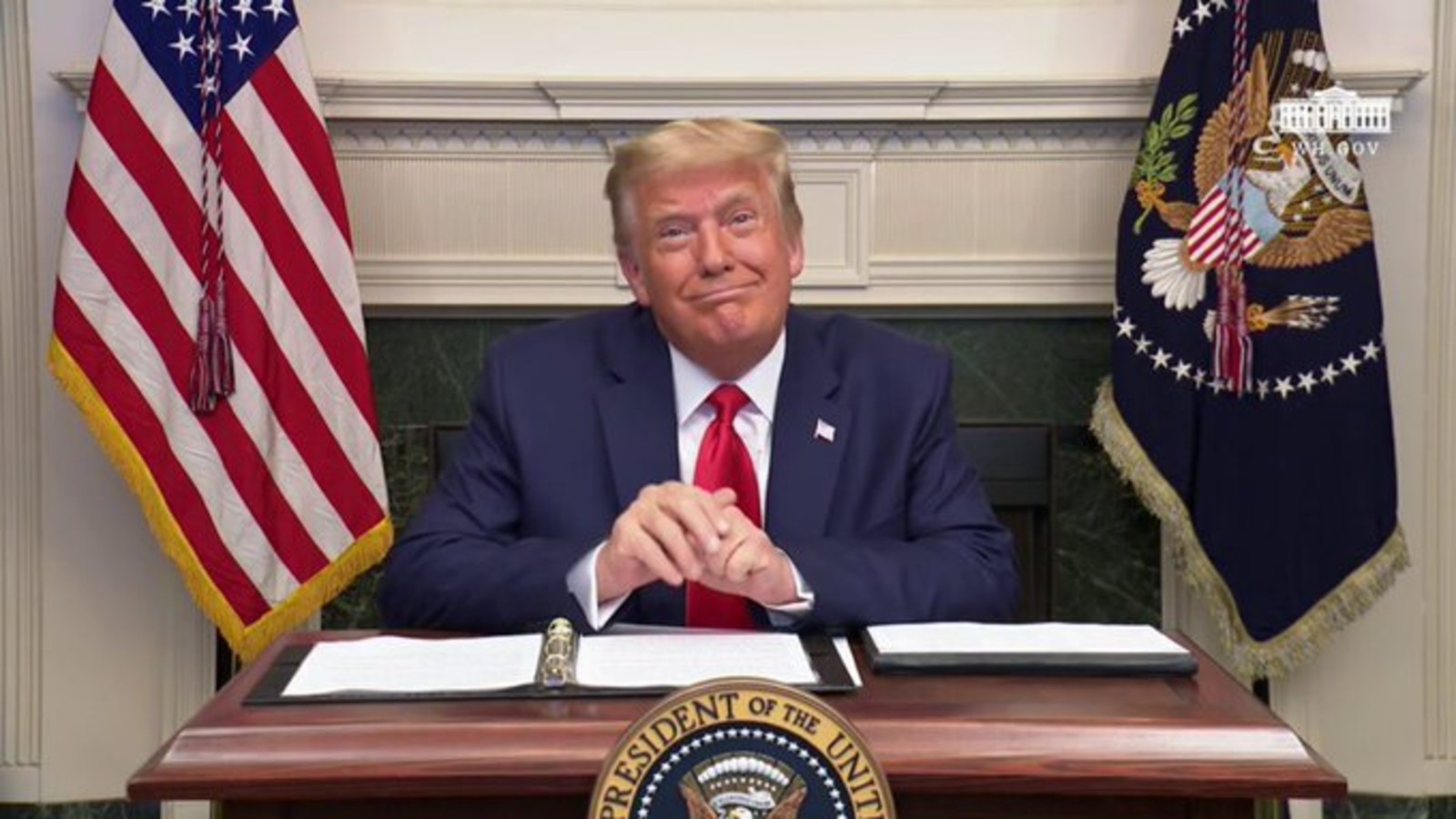
During court proceedings, the judge focused heavily on questions surrounding due process.
The media organizations argued they were stripped of access without advance notice and without being given a meaningful opportunity to challenge the decision before it took effect.
Attorneys representing the outlets described the action as unprecedented and argued that constitutional protections extend to journalists covering the White House.
Kelly appeared skeptical of the administration’s position that later explanations were sufficient.
The court noted that letters outlining the government's rationale were sent only after the credentials had been revoked and after legal action had already been filed.
The judge indicated that previous appellate court rulings established protections requiring procedural fairness before White House press access can be withdrawn.
That reasoning formed a key part of the decision to temporarily restore access while the case proceeds.
The White House and representatives of the news organizations had not immediately issued detailed responses following the ruling.
Press Freedom Battle Draws Wider Attention
The case has attracted substantial attention from journalism organizations and free speech advocates.
A coalition of media groups and press freedom organizations filed legal arguments supporting the three outlets, contending that restrictions based on editorial viewpoints conflict with longstanding constitutional principles.
The legal challenge arrives during a politically sensitive period, with congressional elections approaching and heightened national debate surrounding media access and government accountability.
Supporters of the lawsuit argue that the dispute extends beyond three individual organizations and touches on broader questions about press freedoms in the United States.
The administration, meanwhile, continues to maintain that presidents hold significant authority over access to secure government spaces and official events.
The ruling does not permanently resolve the issue but temporarily restores the journalists' credentials while the underlying constitutional arguments are litigated.
The outcome of the broader case could carry implications for how future administrations manage media access and how courts interpret the balance between presidential authority and constitutional protections for journalists.
