
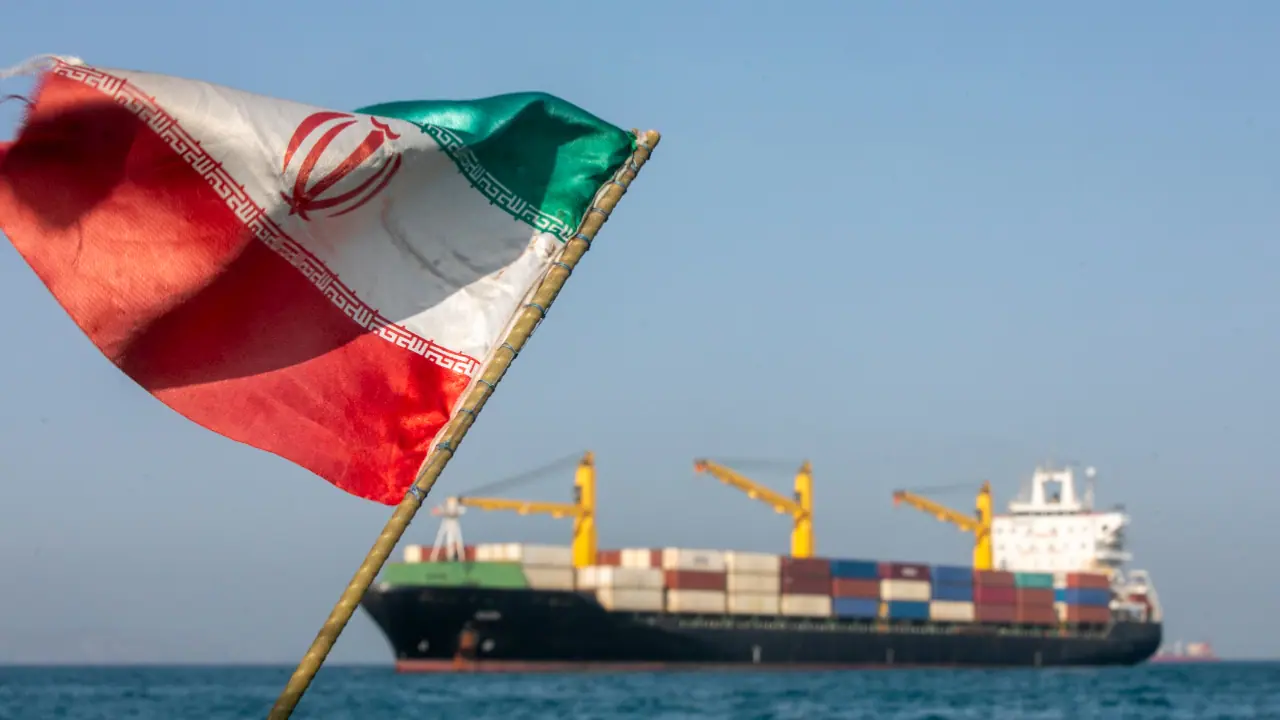
Iran has relied on a covert barter system with China, exchanging oil for credits to import goods and military equipment, sidestepping U.S. sanctions while sustaining vital trade flows.
Iran has used a barter‑like arrangement to bypass sanctions on its oil sales and purchase billions of dollars’ worth of goods from China, including military equipment, according to reports from multiple sources familiar with the matter.
The mechanism, in which Iranian oil is exchanged for credits to buy Chinese imports, has provided Tehran with a crucial financial lifeline as U.S. pressure over its nuclear program intensified.
How The Arrangement Works
China, the world’s largest crude importer, has retained access to discounted Iranian oil while shielding its banks and exporters from direct scrutiny. Smaller Chinese entities have faced U.S. sanctions, but Washington has avoided broader measures that could disrupt global markets.
The barter system has allowed Iran to import medicines, vehicles and communication equipment. Sources also said it was used at least once in connection with contracts for air defense equipment worth millions of dollars.
Washington has stepped up efforts to isolate Iran, with Treasury officials warning countries to cut business ties or risk exclusion from the dollar‑based financial system. A U.S. naval blockade reinstated in July 2026 has prevented Iranian crude shipments from transiting the Strait of Hormuz to China.
Despite this, both Iran and China have denounced unilateral sanctions, calling them illegal and vowing to protect their interests.
Financial Channels And Infrastructure
Reports indicate that a buyer linked to Chinese oil trader Zhuhai Zhenrong deposited hundreds of millions of dollars monthly with a little‑known entity called ChuXin. These funds were then directed to Chinese exporters and infrastructure projects in Iran.
Around 70% of proceeds handled by ChuXin reportedly went into infrastructure, with the remainder allocated to a special purpose vehicle (SPV) used to pay suppliers of goods. The SPV is said to be managed jointly by firms tied to China’s Ministry of Commerce and Iran’s central bank.
trategic Partnership And Plausible Deniability
China accounted for more than 80% of Iran’s shipped oil in 2025, averaging 1.4 million barrels per day. The two countries signed a 25‑year strategic partnership in 2021, though details remain scarce.
Analysts note that China seeks to push back against U.S. sanctions while maintaining plausible deniability to avoid jeopardizing its access to the international financial system.
Sources estimate that between $2 billion and $2.5 billion flowed through the SPV over the past year. The mechanism, in place since at least 2021, was first used to supply medicines and COVID‑19 vaccines to Iran.
