
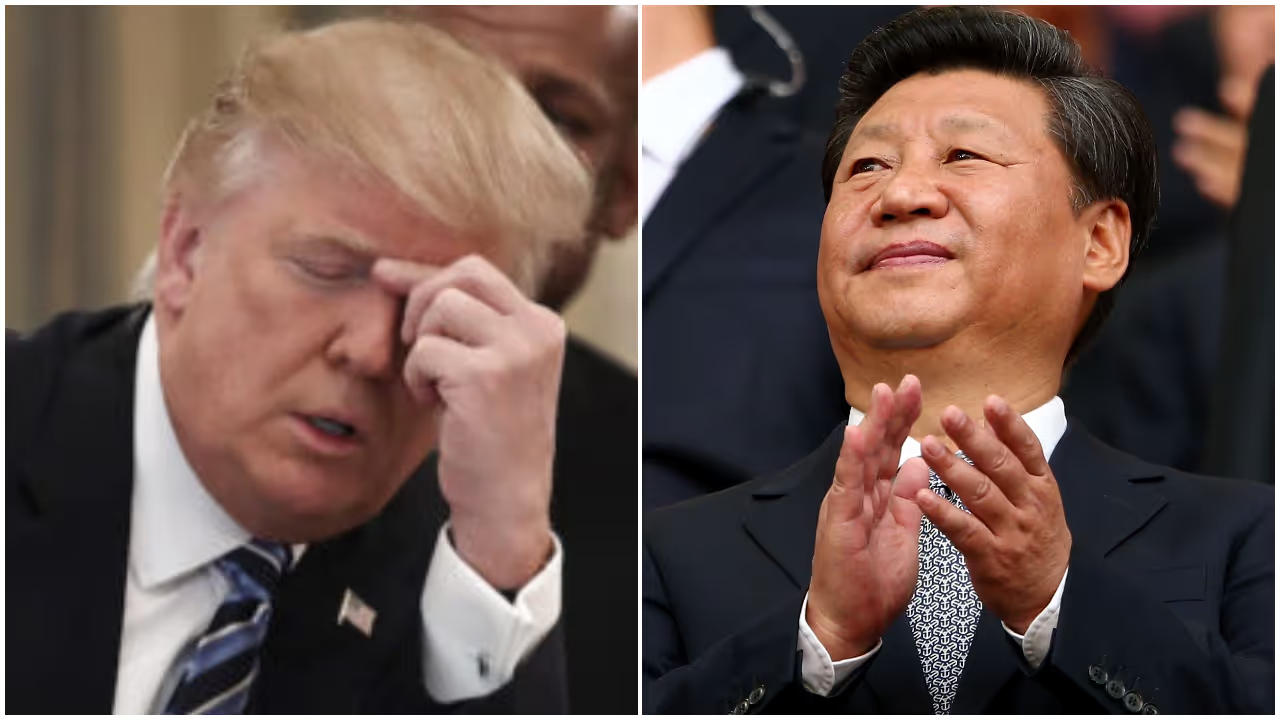
Following failed peace talks with Iran, the US imposed a naval blockade in the Strait of Hormuz, a critical global oil route. China has strongly warned Washington against interference, opposing the move and emphasizing its commitment to commercial ties with Iran.
China has issued a strong warning to the United States over its decision to impose a naval blockade in the Strait of Hormuz, escalating geopolitical tensions following the collapse of peace talks with Iran. The strategic waterway, which handles nearly one-fifth of global oil shipments, has become the latest flashpoint in the ongoing conflict.
China Pushes For Ceasefire
Reacting sharply, Beijing cautioned Washington against interference, with officials stressing that external powers should not destabilise the region further. According to statements cited in reports, China made it clear: “Don’t interfere in our affairs,” signalling its firm opposition to the US move and its alignment with Iran’s position.
Chinese Foreign Minister Wang Yi emphasised that the blockade “does not serve the common interests of the international community,” urging all sides to exercise restraint and avoid actions that could intensify the crisis.
Trump Announces Hormuz Blockade
The US blockade, announced after high-stakes negotiations in Islamabad failed, targets maritime traffic linked to Iranian ports. Washington has stated that vessels entering or exiting these areas without authorisation could face interception, significantly disrupting shipping routes.
China, the world’s largest importer of crude oil and a major buyer of Iranian energy, has expressed deep concern over the potential impact on global supply chains. The Strait of Hormuz is a critical artery for energy flows, and any disruption threatens to spike oil prices and destabilise markets worldwide.
Beijing has also reiterated its commitment to maintaining commercial ties with Iran. In a pointed message, Chinese officials highlighted that their ships continue to transit the region and that existing energy agreements with Tehran will be honoured. “We will respect our cooperation… and expect others not to interfere,” officials said, underlining China’s strategic stakes in the region.
Also Read: US Deploys 15 Warships to Middle East for Potential Iran Blockade
At the same time, China dismissed allegations that it plans to supply weapons to Iran, calling such claims “baseless smears.”
The situation has already begun to impact global markets. Oil prices surged past $100 per barrel following the blockade announcement, reflecting fears of prolonged supply disruptions and broader economic fallout.
China has urged all parties to prioritise diplomacy, calling for a comprehensive ceasefire and a political resolution to the crisis. It also signalled its willingness to play a “constructive role” in mediating tensions, even as the standoff between Washington and Tehran deepens.
With both sides holding firm positions and global energy security at stake, the Strait of Hormuz crisis risks evolving into a wider geopolitical confrontation unless urgent diplomatic efforts succeed.
Also Read: Iran nuclear deal: Ball is in Tehran's court, says US VP JD Vance
