
China warned that the escalating Middle East conflict has global repercussions on energy, finance, and trade. Beijing urged parties to 'press the pause button' on military actions and reaffirmed its commitment to mediating a ceasefire to restore stability.
China Warns of Global Repercussions
Highlighting the global repercussions of the deteriorating security situation, China on Friday warned that the "current conflict in the Middle East is continuing to escalate and expand," impacting vital international sectors and harming the "common interests of all countries."
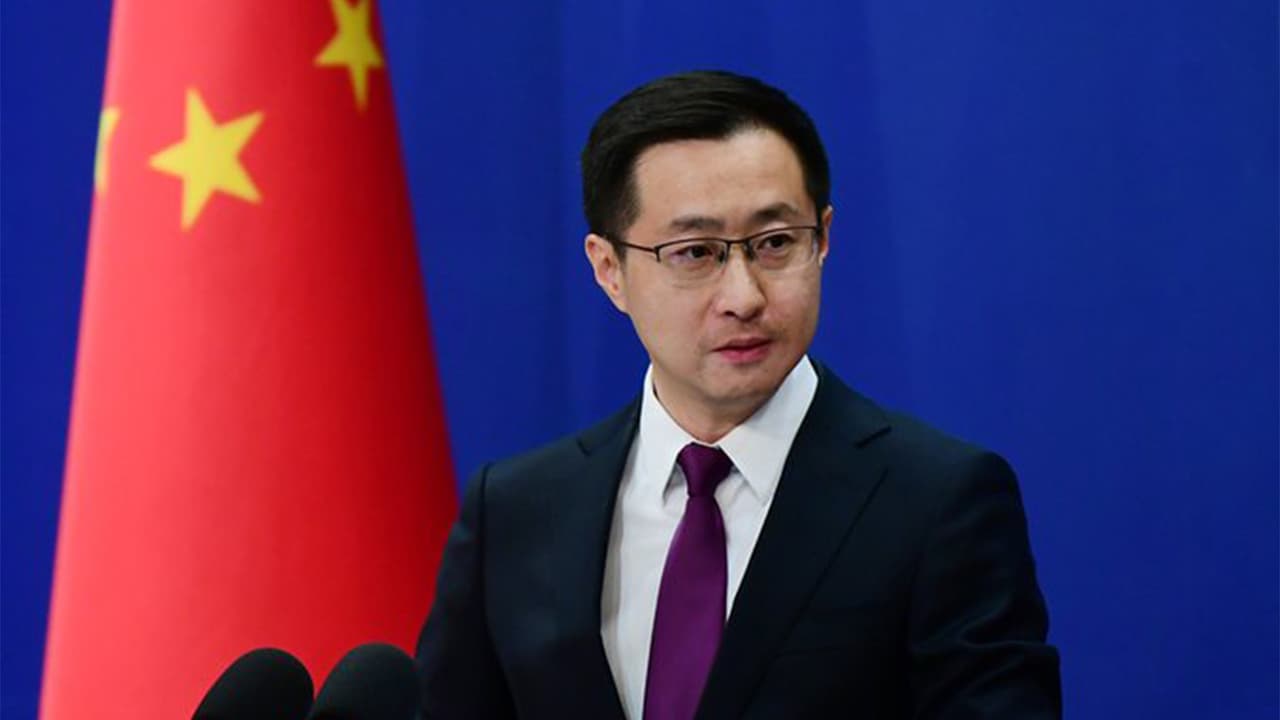
Addressing a foreign media query regarding the regional crisis, Chinese Foreign Ministry spokesperson Lin Jian noted that the fallout extends far beyond the immediate battlefield. He emphasised that the instability is "not only undermining peace and stability in the region, but also directly impacting international energy, finance, trade and shipping."
Call for De-escalation and Mediation
The spokesperson underscored Beijing's stance against the use of force, suggesting that kinetic actions often yield counterproductive results. "History and reality have repeatedly shown that military force is not a solution to problems, and armed confrontation will only breed new hatred," Lin told a regular press conference. In a direct appeal for de-escalation, the Chinese Foreign Ministry spokesperson urged that the "parties concerned should immediately press the pause button on military operations to prevent the situation from deteriorating further."
Reaffirming China's role as a diplomatic mediator in the ongoing crisis, he expressed Beijing's commitment to finding a non-military resolution. "China will continue to engage in mediation efforts to achieve a ceasefire and end the hostilities, so that peace and stability can return to the Middle East at an early date," Lin added.
Conflict Background and Economic Strain
These remarks come as the escalating conflict in West Asia reaches its 21st day, following the joint US-Israeli offensive against Iran on February 28, in which 86-year-old Iran's Supreme Leader, Ayatollah Ali Khamenei, was also killed. Following his death, Mojtaba Khamenei, son of the former leader, was appointed as the new Supreme Leader of the Islamic Republic. With global energy hubs and shipping routes under increasing strain since then, China's call for a "pause button" reflects growing international anxiety over the long-term sustainability of the military confrontation. As Iran reportedly exerts pressure on the strategic Strait of Hormuz, the resulting disruptions to oil, gas, and maritime trade routes continue to pose a mounting threat to global economic stability. (ANI)
(Except for the headline, this story has not been edited by Asianet Newsable English staff and is published from a syndicated feed.)