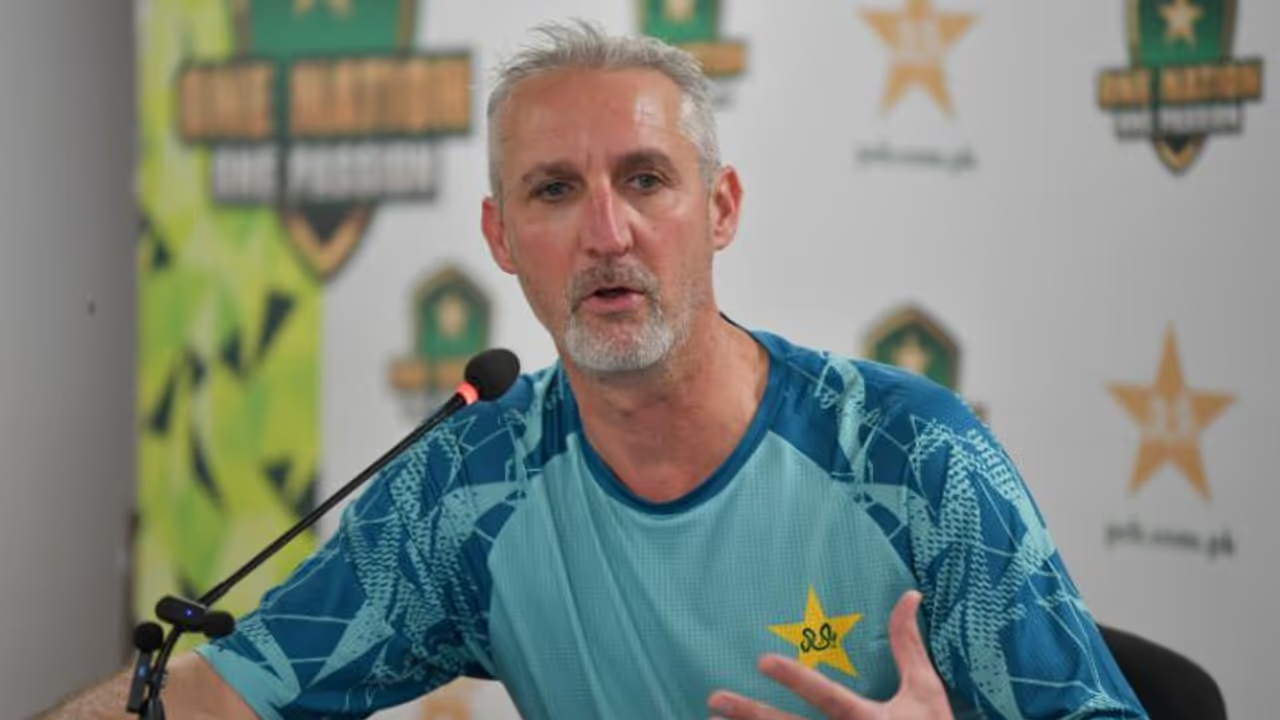
Former Australian pacer Jason Gillespie quit as Pakistan’s Test coach, saying PCB sacked his assistant without informing him. He said this lack of communication and ‘humiliation’ by the PCB prompted him to leave Pakistan's coaching setup.
Former Australian pacer Jason Gillespie reveals the reason behind his resignation as the head coach of Pakistan's Test side. In April 2024, the Pakistan Cricket Board (PCB) appointed two coaches, one for each of the Test and white-ball teams, and Gillespie was assigned the responsibility of coaching the Test side.
Jason Gillespie succeeded Mohammad Hafeez, who resigned as an interim head coach and Team Director following Pakistan’s 0-3 whitewash at the hands of Australia in the Test series Down Under. However, Gillespie’s stint as Pakistan’s Test coach ended sooner than expected, parting ways with PCB after just eight months into his tenure despite signing a two-year contract.
Gillespie left the coaching duties with Pakistan after the side was blanked by Bangladesh 0-2 in the two-match Test series. However, there were reports of PCB’s lack of communication with former Australian pacer, especially the sacking of assistant coach Tim Nielsen without his knowledge. Additionally, Jason Gillespie was not in agreement with certain decisions taken by the board, which resulted in his exit as Test coach.
Related Articles

Jason Gillespie ‘Humiliated’ by PCB
Jason Gillespie conducted a question-and-answer session on his X handle (formerly Twitter), where users, especially cricket enthusiasts, asked him about his career, his coaching experience with the Pakistan cricket team, and questions related to cricket.
However, one user asked the former Australian pacer about his reason for quitting the Pakistan coaching setup. To which Gillespie gave a candid response, stating that the lack of communication from the PCB about the sacking of assistant coach felt ‘unacceptable’ to him. He further revealed that he was ‘left completely humiliated’ on other issues with regards to Pakistan Test cricket.
“I was coaching the Pakistan Test side. The PCB sacked our senior assistant coach with ZERO communication with me about it- as Head Coach, I found this situation completely unacceptable,” Gillespie wrote.
“There were a number of other issues which left me completely humiliated,” he added.
Alongside Jason Gillespie, Pakistan’s white-ball coach, Gary Kirsten also left the coaching duties after six months into his tenure in October 2024. The resignation of Gillespie and Kirsten from Pakistan’s coaching setup sparked debate over the handling of senior appointments and their communication with the coaching staff.
8 Coaches in Two Years - Musical Chairs in Pakistan Coaching
Appointments and resignations of coaches have highlighted the instability and frequent changes within Pakistan’s coaching staff. In the past two years, from 2023 to 2025, Pakistan witnessed eight coaches being appointed or stepping down across formats, underlining the lack of continuity in the system.
In June 2025, Azhar Mahmood was promoted from assistant coach to interim red-ball coach, marking the eighth change in Pakistan’s coaching setup. Former New Zealand and RCB coach Mike Hesson was brought in as a white-ball coach, replacing Gary Kirsten. In 2023, the Pakistan Cricket Board rotated three coaches within six months, including Grant Bradburn, Mohammad Hafeez, and Azhar Mahmood (assistant coach).
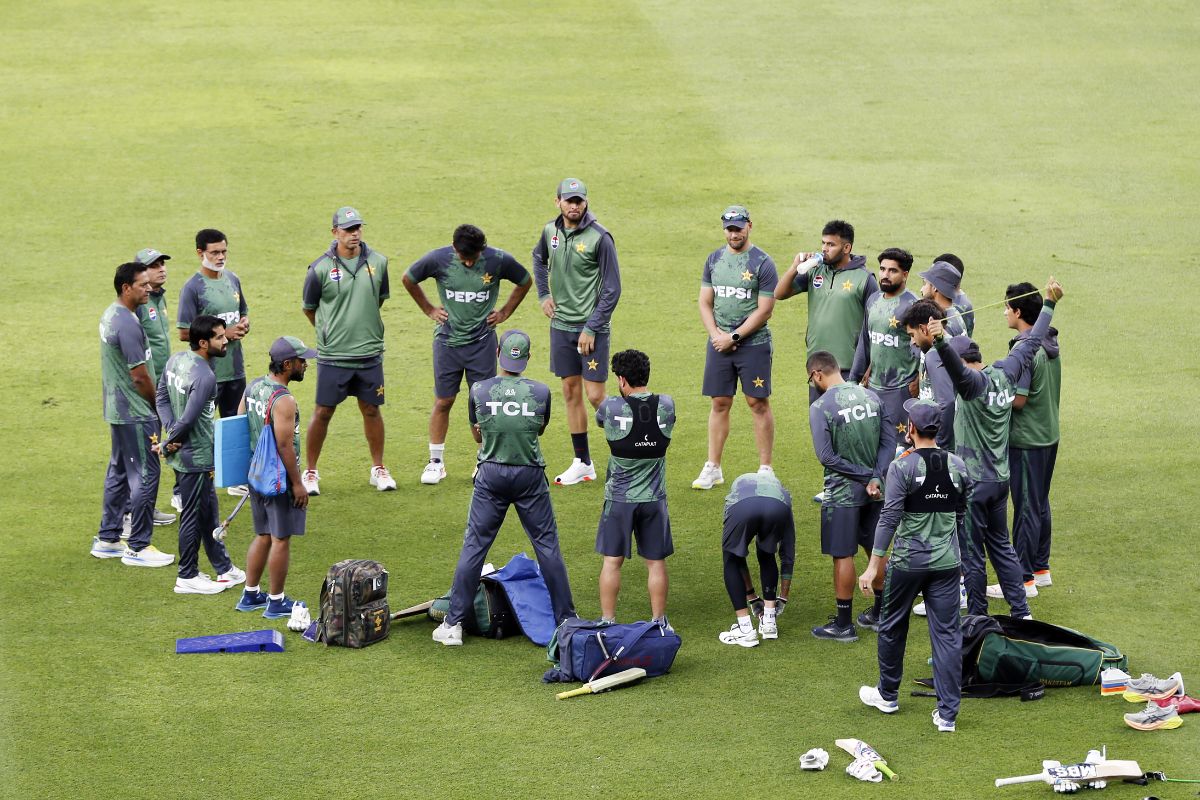
Jason Gillespie and Gary Kirsten’s short tenure as Test and white-ball coaches, respectively, before the appointment of Mike Hesson to the coaching setup, clearly reflected Pakistan’s ongoing struggle with stability and long-term planning in its coaching setup. Mike Arthur served as Pakistan coach for a longer period, from 2016 to 2019, guiding the team to Champions Trophy triumph in 2017 and the No.1 T20I ranking in 2018.
However, Arthur was sacked after Pakistan failed to qualify for the semifinals of the 2019 World Cup. Before 2023, there were only two changes in Pakistan’s coaching setup, with Mishab ul Haq and Saqlain Mushtaq serving in key roles for extended periods. Thereafter, Pakistan cricket witnessed a whirlwind of appointments of coaches for the next two years.