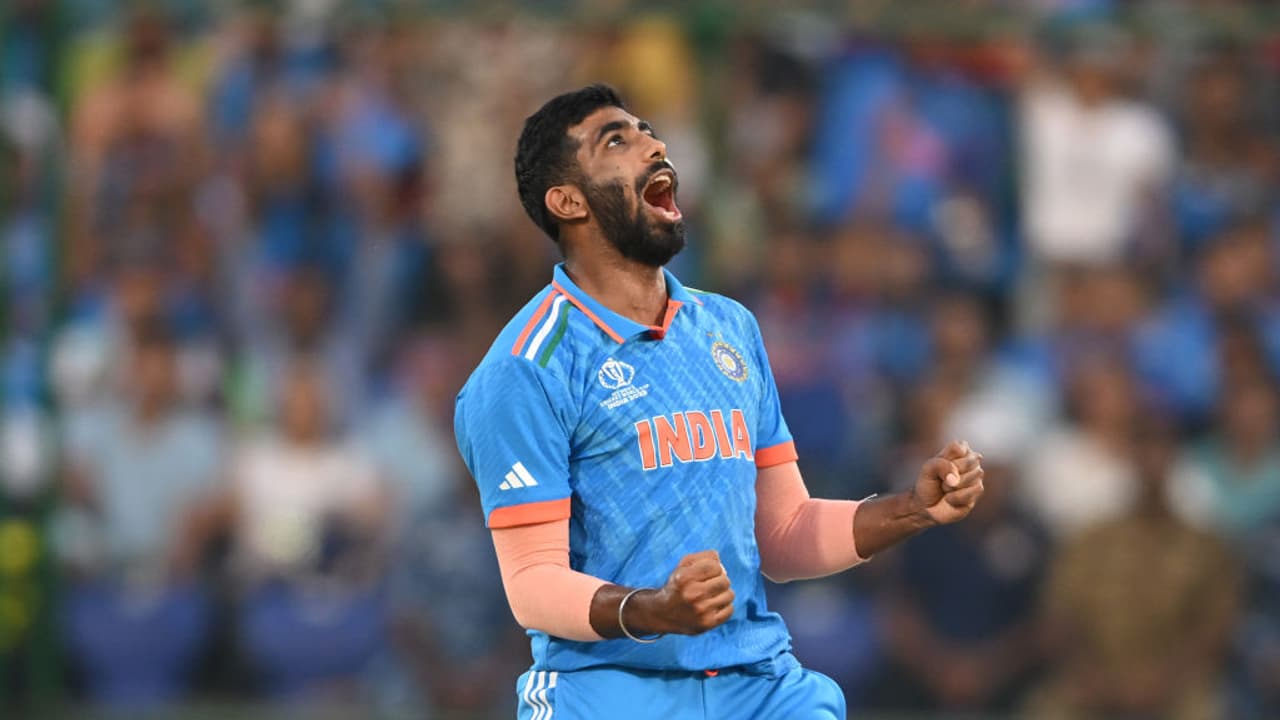
India’s historic ODI defeat to New Zealand exposes a fragile bowling unit without Jasprit Bumrah. Spin failure, inconsistent pace and missing experience raise serious concerns for the 2027 World Cup plans.
Is India's bowling lineup reducible to the single name of Jasprit Bumrah? Is victory impossible without Bumrah? As Michael Bracewell's New Zealand wins an ODI series in India for the first time in history, there will hardly be a cricket fan who has not asked this uncomfortable question. When the reasons for defeat are listed, the primary weakness that emerges is clearly in the bowling department.
India fielded a varied attack through the series: Mohammed Siraj, Harshit Rana, Prasidh Krishna, Arshdeep Singh, Kuldeep Yadav, Ravindra Jadeja, Nitish Kumar Reddy and Washington Sundar. The surfaces in Vadodara, Rajkot and Indore were not especially friendly to bowlers, yet New Zealand managed to find methods and momentum. The worrying part, with the 2027 ODI World Cup in mind, is why Siraj and company could not exert the same influence in familiar home conditions.
The Spin Puzzle in the Middle Overs
The most striking problem was the complete failure of the spin duo entrusted with controlling the middle overs. Or perhaps it would be fairer to say that the New Zealand batsmen found them far too easy to handle. Kuldeep Yadav has long been India's main wicket taking option. Across the series he bowled 25 overs, conceded 182 runs at an economy of 7.28 and managed only three wickets. He completed his full quota only in the second ODI, and in Indore he was used for just six overs.
Related Articles

Whether this reduction was due to Kuldeep's lack of impact or a lack of clarity about how to use him remains unclear. This is the same Kuldeep with whom Rohit Sharma has often created match turning moments in the past. Ravindra Jadeja's story was no better. Jadeja delivered 23 overs in the series, failed to enter the wickets column even once and leaked 141 runs at an economy above six. Together, the two left arm spinners sent down 48 overs, gave away 323 runs and picked up just three wickets. Those numbers underline how badly the middle overs plan collapsed.
Washington Sundar, who featured only in the first ODI, also failed to make a mark, conceding 27 runs in five overs without a wicket. Series where Indian spinners perform below average are rare in recent times, particularly on home soil, which makes this slump even more alarming. There are growing doubts about Jadeja's future in the format, and the management might be tempted to look more towards Axar Patel after Jadeja surrendered with both bat and ball.
Pace Attack Without Teeth
The fast bowling charts told a similar story. All Indian pacers finished behind New Zealand's Kristen Clarke and Kyle Jamieson in the wicket list. Harshit Rana, with six wickets, was expensive yet showed fighting spirit and even proved useful with the bat. Arshdeep Singh, despite playing only one match, stood second among Indian pacers. His three wickets, including the crucial dismissals of Henry Nicholls and Glenn Phillips off his fourth ball, raised an obvious question about why he was not used more.
In the absence of a specialist death bowler like Bumrah, the reluctance to persist with Arshdeep looked puzzling. Many believe that if Arshdeep had been given opportunities ahead of Prasidh Krishna, the series might have taken a different direction. Medium pacer Nitish Kumar Reddy bowled ten overs across two games, conceded 66 runs and remained wicketless, adding to the overall disappointment.
The lone bright spot was Mohammed Siraj. Among pacers from both sides, Siraj was the most economical, taking three wickets at 4.59 per over. Even without a big haul, he managed to slow the Kiwi charge and offered a glimpse of control that others lacked.
Partnerships That Broke India
New Zealand built century stands in all three matches, a statistic that exposes India's inability to break partnerships. In the first ODI, Henry Nicholls and Devon Conway added 117 runs. The second game saw Will Young and Daryl Mitchell pile up 162 runs, and in Indore the Mitchell and Glenn Phillips combination produced a massive 219 run partnership. Each time India searched for a breakthrough, there was no experienced hand to provide it.
The Missing Masters
The absence of Mohammed Shami and Jasprit Bumrah loomed large. Shami has not featured in the ODI side since the 2025 Champions Trophy, while Bumrah last played an ODI in the 2023 World Cup final. The last three series have made it evident that their return is essential. These are bowlers capable of performing in any phase, whether powerplay, middle overs or death, and their presence offers confidence that cannot be measured only in numbers.
At present, India lack someone who can consistently take wickets at the start, squeeze runs in the middle and finish strongly at the end. Plans for the 2027 ODI World Cup are being discussed, yet the basic structure appears shaky. Bumrah must return, the spin attack needs sharpening and roles require clarity. Without these corrections, defeats like this may become a familiar story rather than a rare shock.