Alarm systems can work alongside cameras and monitoring tools to provide better coverage and visibility. This integration supports faster decision-making during security-related incidents.
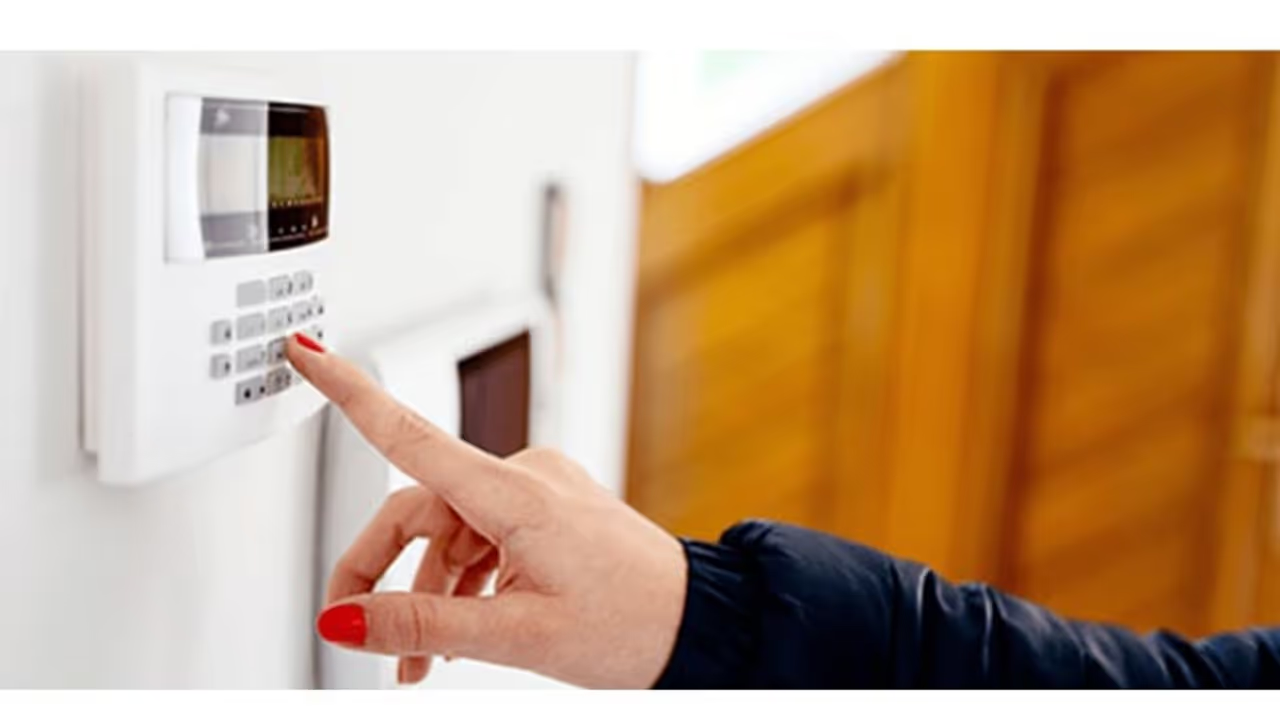
Safety has become a growing concern for homes and businesses across India in recent years. People now seek reliable ways to protect their spaces and belongings from potential risks. This is where alarm systems play an important role in improving security and awareness. Choosing the right alarm system requires understanding the features that truly matter. A well-selected system offers better protection, fewer false alerts, and improved peace of mind for users.
Types of Alarm Systems Available
There are different types of alarm systems available, each suited for specific needs and usage scenarios. Understanding these options helps users make a more informed and practical decision. The most common types include:
Related Articles

- Wired Systems: These systems offer stable performance and are ideal for long-term installations in fixed locations, providing reliable security coverage.
- Wireless Systems: Wireless alarm systems are easier to install and allow flexible placement across different areas without complex wiring.
- Monitored Systems: Monitored systems connect to professional response teams who act promptly when alerts are triggered during emergencies.
- Unmonitored Systems: These systems rely on sirens and notifications to alert occupants and nearby individuals about suspicious activity.
Each type offers unique benefits, and the right choice depends on the layout and security needs.
Key Features to Look for in an Alarm System
Choosing the right alarm system depends on selecting features that match a property's security needs. Some of the most important features are mentioned below:
Motion Detection
Motion sensors detect movement within defined areas and trigger alerts during unusual or unauthorised activity. Adjustable sensitivity helps reduce false alarms caused by pets or minor disturbances.
Door and Window Sensors
These sensors activate when doors or windows are opened unexpectedly during restricted conditions or specific time periods. They act as an early warning system and help secure entry and exit points effectively.
Loud Siren and Alerts
A loud siren alerts occupants and nearby individuals during a security breach or emergency. This feature also acts as a deterrent against intruders attempting unauthorised access.
Remote Access and Control
Modern systems allow users to control settings through mobile devices from any location. This feature enables real-time monitoring and quick action during unexpected situations.
Integration with Other Security Systems
Alarm systems can work alongside cameras and monitoring tools to provide better coverage and visibility. This integration supports faster decision-making during security-related incidents.
Battery Backup
Power interruptions should not affect the functioning of a security system during critical situations. A reliable battery backup ensures continuous operation even during electricity failures.
Tamper Detection
Tamper alerts notify users when someone attempts to physically disable or interfere with the system. This feature adds an extra layer of protection and prevents system manipulation.
Factors to Consider Before Making a Choice
Before selecting an alarm system, it is important to evaluate practical factors that affect performance and usability. Key considerations include:
- Property size determines how many sensors and monitoring zones are required for proper coverage.
- Ease of installation is important for users seeking quick, simple setup options.
- Maintenance requirements should be reviewed to ensure consistent and reliable system performance.
- Scalability allows users to expand their system as their security needs grow over time.
Careful evaluation of these factors helps select a system that performs efficiently over the long term.
Importance of Overall Security Planning
While alarm systems are essential, they work best when combined with other safety measures across the property. A comprehensive approach ensures better protection against various risks and vulnerabilities. Simple additions, such as strong entry-control solutions, improve safety within a property. These elements support daily security needs and help prevent unauthorised access in specific areas. Using reliable bathroom door locks ensures privacy and controlled access in personal spaces. Security solutions such as those offered by Godrej Enterprises Group highlight the importance of integrating multiple layers of safety. This approach ensures that different security elements work together effectively.
Common Mistakes When Choosing an Alarm System
Many users overlook key aspects while selecting an alarm system, which can affect its performance. Some common mistakes include:
- Choosing a system based only on cost without evaluating features and long-term reliability.
- Ignoring coverage areas, which may leave certain parts of the property unprotected.
- Not checking compatibility with other systems, limiting future upgrades and integration possibilities.
- Overlooking backup features that are essential during power failures or emergency situations.
- Poor installation planning, which can reduce the efficiency of the entire system setup.
Avoiding these mistakes helps ensure better performance and long-term value from the selected system.
Conclusion
Selecting the right alarm system involves understanding both the types available and the features that suit a property's security needs. Effective systems combine motion detection, door and window sensors, alerts, remote control, and backup measures to provide reliable protection. Choosing a system also requires evaluating factors such as property size, ease of installation, maintenance, and scalability. Alarm systems work best when integrated with broader security measures, including entry-control solutions and bathroom door locks, to ensure comprehensive safety. Careful planning and informed choices help create a secure environment while minimising false alerts and optimising long-term performance.