
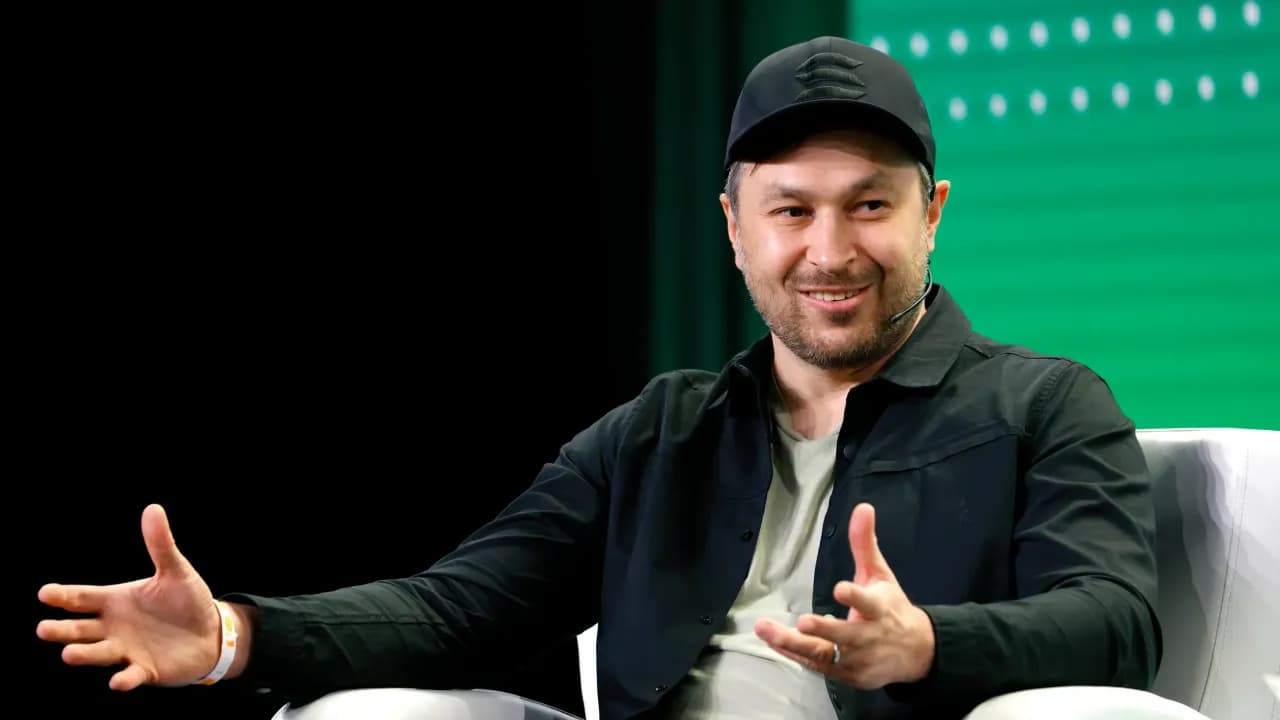
According to Solana co-founder Anatoly Yakovenko, the California tax is “Occam’s razor,” which could force founders to sell stakes or relocate.
- Solana co-founder Anatoly Yakovenko said the proposed 5% billionaire’s tax could undermine U.S. leadership in funding major tech and AI companies.
- Crypto executives warned the measure could trigger capital flight and force founders to relocate outside California.
- Rep. Ro Khanna, a Democrat who currently represents California’s 17th Congressional District, defended the proposal, arguing it could fund healthcare, education, and housing programs.
Solana co-founder Anatoly Yakovenko on Sunday criticized California’s proposed 5% billionaire tax, calling the measure “dumb” and warning it could weaken the U.S. technology ecosystem.
In a post on X, Yakovenko said the proposal could discourage founders and investors by taxing private company ownership rather than liquid income. He said that, in his view, the policy would weaken the United States’s ability to fund large technology companies. Yakovenko called this “Occam’s razor,” meaning the simplest explanation is often correct, and added that taxing unrealized gains in private firms could force founders, including AI startup executives, to sell stakes or relocate.
Solana (SOL) was trading around $127, up about 3% over the past 24 hours. On Stocktwits, retail sentiment around Solana remained in ‘bearish’ territory over the past day. However, chatter around the coin increased from ‘low’ to ‘normal’ levels over the past day.
Crypto Executives Warn Of Capital Flight
Yakovenko’s comments come as crypto and technology leaders push back against the 2026 Billionaire Tax Act, a California ballot initiative that would impose a one-time 5% tax on net worth above $1 billion for residents starting in January. The levy could be paid at once or over five years with interest.
Several crypto executives echoed Yakovenko’s concerns. Bitwise CEO Hunter Horsley said on X that many California residents who helped build the state’s economy are “quietly discussing leaving or have decided to leave in the next 12 months,” warning of a broader risk of capital and talent flight.
Coinbase CEO Brian Armstrong also weighed in, replying “Yep,” to criticism of the tax and referenced Democrat Rep. Ro Khanna’s past policy positions.
David Friedberg, an angel investor, also criticized the proposal, arguing it amounts to government seizure of private property. In a post on X, Friedberg questioned why lawmakers would not raise income tax rates instead, saying the proposal targets after-tax assets rather than earnings.
Friedberg described the measure as “the creation, for the first time in the 250 years of this American republic, [of] an organized government seizure of private property from citizens,” and warned that similar wealth taxes in other countries have led to negative economic outcomes.
Lawmakers Defend Billionaire Tax Proposal
Ro Khanna, a Democrat currently serving as the representative for California’s 17th Congressional District, has defended the measure, arguing it would help fund healthcare, education, and housing. In a recent post on X, he said his district represents roughly $18 trillion in market value, nearly one-third of the U.S. stock market within a 50-mile radius.
Some critics also pointed to Khanna’s past comments on taxing unrealized gains. In a 2024 appearance on CNBC’s Squawk Box, Khanna said he did not support a blanket tax on unrealized capital gains, arguing such measures could force entrepreneurs to sell companies prematurely and discourage startup investment. “I don’t think a blanket tax on unrealized gains is a good thing,” Khanna said at the time.
Read also: China’s Digital Yuan Set To Shift From Cash-Like Tool To Deposit-Based Currency: Report
For updates and corrections, email newsroom[at]stocktwits[dot]com.<
