
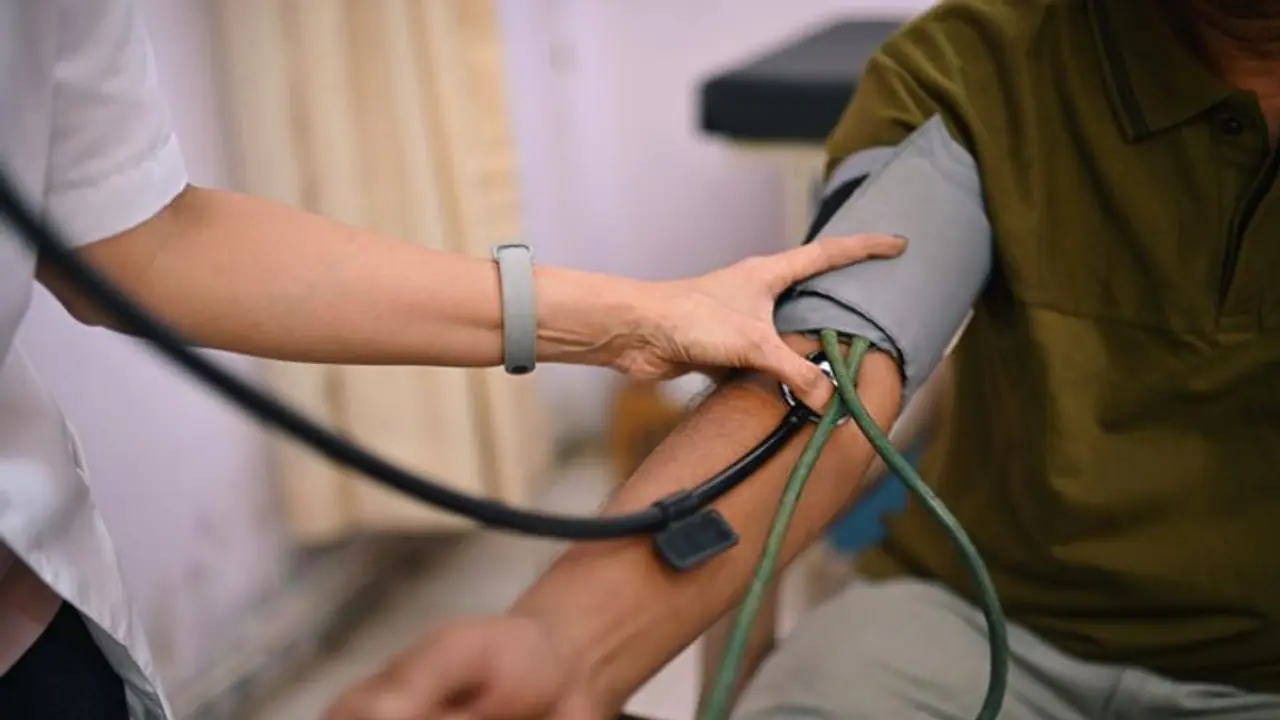
Every year on May 17, people worldwide observe World Hypertension Day. "Measure your blood pressure accurately and control it for a longer life" is the focus for this year. World Hypertension Day aims to raise awareness of the importance of routine blood pressure monitoring and the standard range to preserve good health. (By Anushri Bokade)
The World Health Organisation (WHO) states hypertension is identified when blood vessel pressure is excessively high (140/90 mmHg and above). Although the condition has become common, it can have catastrophic consequences if left untreated. According to the World Health Organisation, the majority (two-thirds) of the world's 1.28 billion adults between the ages of 30 and 79 who have hypertension live in low- and middle-income countries.
Symptoms of hypertension:
Most people with hypertension don't usually experience any observable symptoms. However, persons with extremely high blood pressure (often 180/120 or more) could also present with the signs and symptoms, including headaches, chest discomfort, breathing problems, dizziness, anxiety, confusion, nausea, vomiting, vision alters, nosebleeds and abnormal heartbeat.
According to the Centres for Disease Control and Prevention (CDC), high blood pressure usually develops gradually. It can be due to harmful lifestyle decisions, including insufficient exercise and unhealthful eating patterns. Obesity and diabetes are two medical problems that might increase the chance of getting high blood pressure. High blood pressure can occasionally also develop during pregnancy.
Changing one's way of life can lower blood pressure and enhance general health. These modifications can help everyone with hypertension, even though some people still require medication. Following are some suggestions to assist those with high blood pressure:
Do's to control hypertension
• increase fruit and vegetable consumption
• Up your activity level by exercising with activities like walking, running, swimming, dancing, or weightlifting.
• Aim for 150 minutes or more per week of aerobic exercise at a moderate level. You may also choose to engage in 75 minutes a week of vigorous aerobic activity.
• Exercises that increase strength should be done at least twice a week.
• If you're overweight or obese, lose weight.
• Be sure to take your medication as directed and attend your doctor's appointments.
Don'ts to control hypertension
• high salt intake (two grammes or less salt per day is advised).
• consume tobacco or smoke.
• excessive alcohol consumption (women should limit daily alcohol intake to one drink, and men should limit daily alcohol intake to two drinks).
• Have foods that are high in trans or saturated fats.
• Skip your medicine.
