

As key global finance meetings approach, questions are emerging about shifting priorities, resilience strategies and whether major institutions are doing enough to confront escalating climate risks.
The World Bank and International Monetary Fund are facing increasing criticism over whether their evolving priorities are keeping pace with the accelerating climate crisis, as both institutions prepare for annual meetings against a backdrop of worsening climate impacts and rising economic vulnerability.
The debate has intensified after recent remarks from World Bank President Ajay Banga, who said the institution wants to move away from what he described as an “emotional” climate debate and instead focus on resilience.
The shift comes amid broader changes across major international financial institutions as political pressure, particularly from the United States, reshapes discussions around climate policy and development finance.
Similar changes have emerged at the IMF. Managing Director Kristalina Georgieva, who previously urged an end to “business as usual” on climate issues, has increasingly emphasised a narrower economic focus. The institution has also reduced spending dedicated to climate-related work, signalling a different approach than in previous years.
Critics argue that these developments come at a difficult moment. Extreme weather events are becoming more frequent and costly, while many developing nations are struggling to finance adaptation and recovery efforts.
The issue carries particular significance as Bangkok, host city of the upcoming World Bank and IMF meetings, continues to grapple with severe flooding that has highlighted the growing consequences of climate-related risks.
At the centre of the debate is whether a stronger emphasis on resilience can substitute for broader climate commitments. Earlier this year, the World Bank extended its Climate Change Action Plan indefinitely but dropped its long-standing target of directing 45 per cent of financing toward climate-related activities.
Supporters of the new approach argue that resilience investments can strengthen communities and economies against future shocks. Critics, however, question whether the shift risks weakening accountability and reducing the urgency attached to climate action.
Recent Disasters Highlight Concerns Over Climate Preparedness
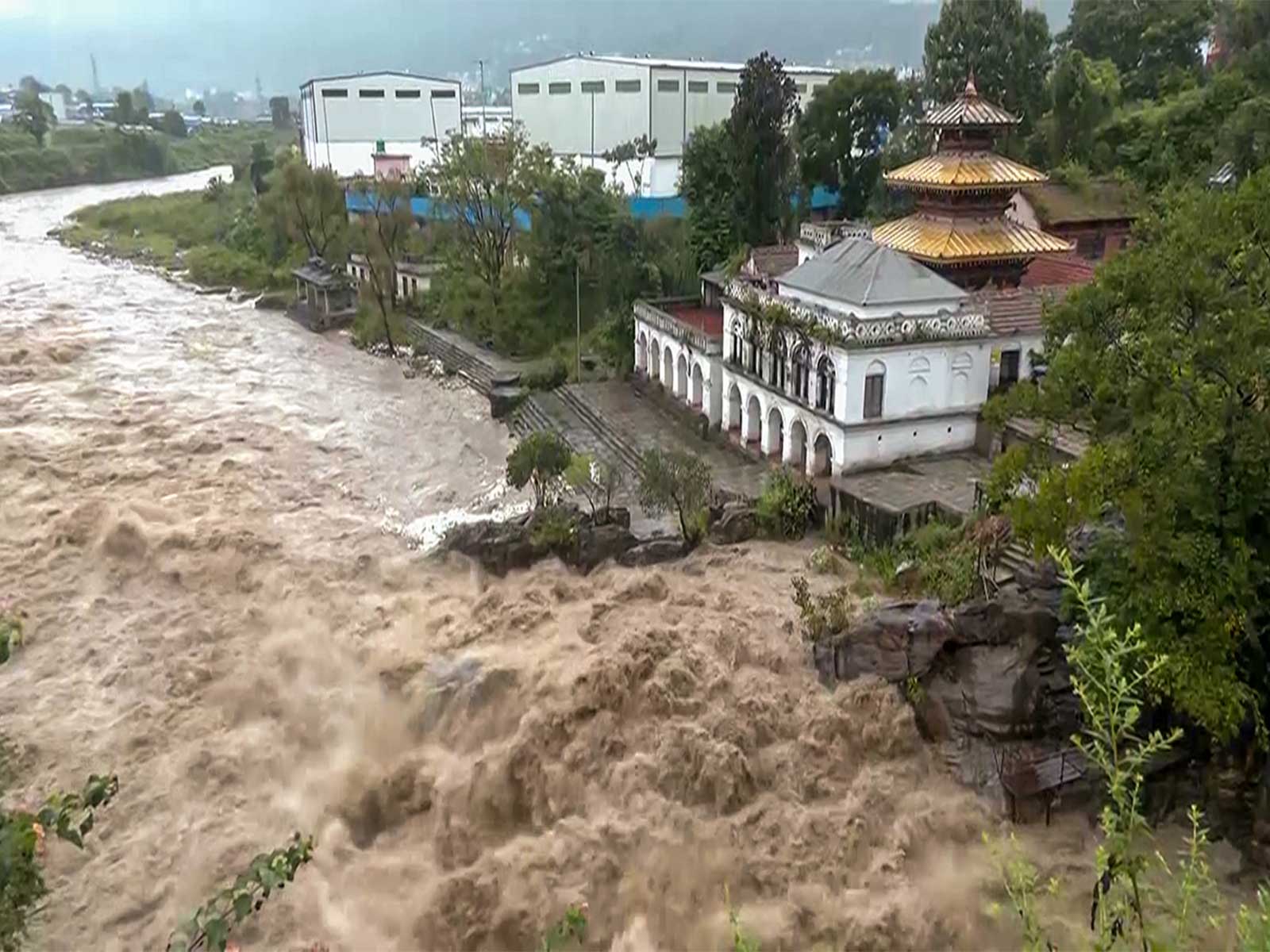
Questions surrounding resilience have become more prominent following Nepal's devastating flood disaster. The catastrophe killed more than 1,450 people and left thousands more missing while causing extensive damage to infrastructure, including multiple hydropower facilities.
Among the affected projects was the Upper Trishuli-1 hydropower development, supported by financing linked to the World Bank Group. Reports cited in the discussion note that concerns regarding climate and disaster risks had been raised before the disaster occurred.
The event has added weight to calls for stronger climate risk assessments across multilateral lending operations. Critics argue that resilience should involve not only financing infrastructure but also ensuring robust evaluations of future climate threats and incorporating lessons from previous projects.
The debate extends beyond the World Bank to the IMF's lending practices. Analysts have questioned whether some IMF-supported programmes unintentionally increase vulnerability by prioritising fiscal adjustment while countries simultaneously face mounting climate adaptation needs.
Examples frequently cited include Ecuador and Pakistan. In Ecuador, critics point to fiscal adjustment requirements and policies aimed at boosting oil production. In Pakistan, concerns have focused on fiscal constraints and energy-sector reforms occurring alongside urgent climate adaptation challenges and a rapidly growing solar market.
These concerns gained additional attention after the IMF's Independent Evaluation Office highlighted tensions between climate objectives and elements of the institution's programme design.
Observers had hoped the IMF's recent review of lending frameworks would address those issues, but climate considerations were ultimately left outside the final review process.
With more countries turning to international financial institutions to manage economic shocks, debt pressures and disaster recovery costs, the role of climate policy is becoming increasingly difficult to separate from broader development and financial stability objectives.
As officials gather for the upcoming annual meetings, critics argue that resilience, climate adaptation and economic stability should not be treated as competing priorities. Instead, they contend that addressing climate risks is becoming an essential component of long-term development, debt sustainability and global financial resilience.
