
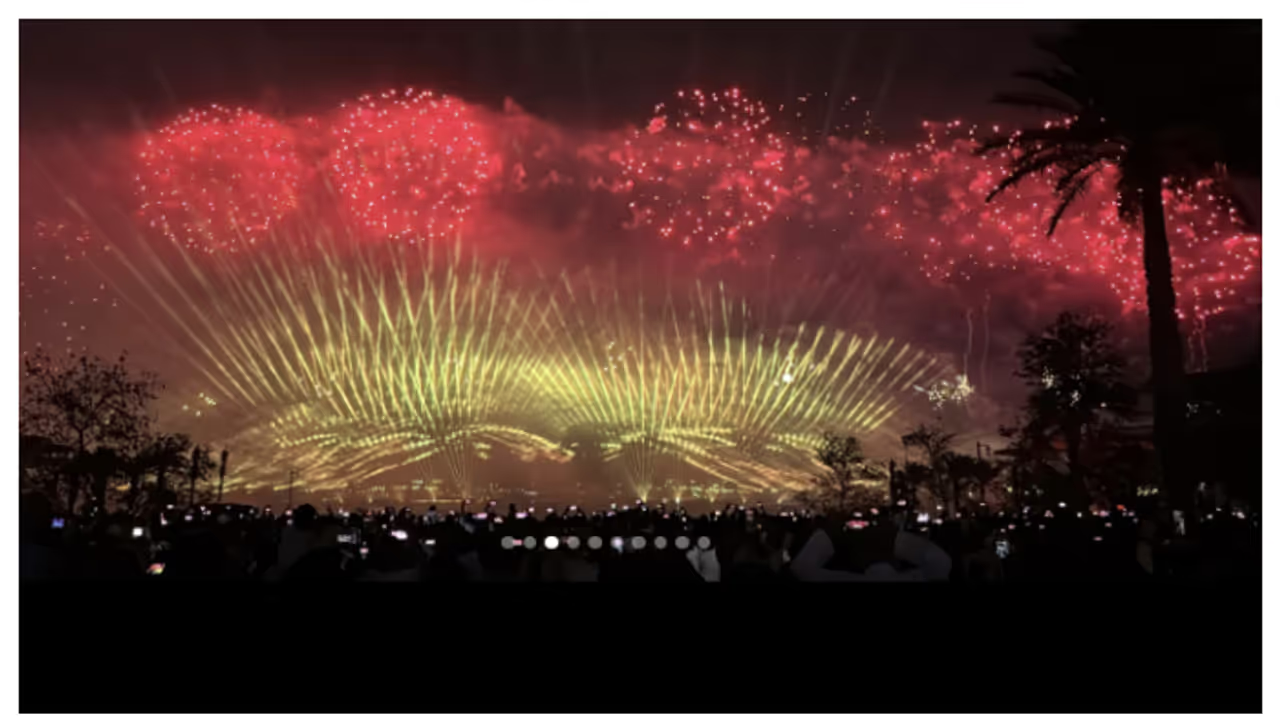
From ancient experiments to royal spectacles and modern festivals, fireworks have followed a remarkable journey across continents, cultures and generations, shaping celebrations in unexpected ways.
Fireworks are once again at the centre of public discussion. While many associate them with celebration and tradition, others point to concerns about pollution and health. The conversation has gained renewed attention after certified green crackers were permitted in Delhi-NCR for limited periods during Diwali.
Yet beyond the annual debate lies a broader question: why do fireworks continue to capture people's imagination after centuries of use?
Their story stretches across continents, linking ancient discoveries, royal ceremonies and cultural traditions that eventually became woven into Indian celebrations.
The earliest known origins of fireworks can be traced to China. Long before modern pyrotechnics emerged, people discovered that hollow bamboo stalks burst with a loud crack when heated in fire. The sharp sound was believed to drive away evil spirits and became part of ceremonial practices.
The invention of gunpowder transformed this simple effect into something far more dramatic. Around the ninth century, Chinese experiments involving charcoal, sulphur and saltpetre produced an explosive mixture that generated louder sounds and brighter effects. Over time, this led to increasingly sophisticated fireworks used during public festivities and special occasions.
As trade routes expanded, knowledge of gunpowder and pyrotechnics spread into other parts of Asia and Europe. Fireworks gradually evolved into symbols of celebration, attracting rulers, merchants and communities fascinated by their visual appeal.
India developed its own history of pyrotechnic traditions as well.
Historical records indicate that knowledge of firework-related compositions existed in the subcontinent centuries ago. References found in literary works suggest that pyrotechnic displays were familiar well before they became widely associated with later royal courts.
Evidence from historical texts points to the presence of firework formulations during the late medieval period, demonstrating that the use of such displays formed part of broader cultural and ceremonial life.
Royal Courts Helped Turn Fireworks Into Grand Public Spectacles
By the sixteenth century, fireworks were increasingly appearing in accounts of weddings, religious festivities and public celebrations across India.
Historical references describe their use during major social occasions, where displays added excitement and visual splendour to important events. Travellers visiting India during this period also documented fireworks being used alongside music, dance and community gatherings.
The practice expanded significantly under royal patronage.
Rulers and aristocratic families viewed elaborate pyrotechnic displays as a demonstration of prestige, prosperity and ceremonial grandeur. Historical accounts describe substantial sums being spent on fireworks during weddings and court festivities.
By the seventeenth century, spectacular firework displays had become a recognised feature of royal celebrations in several regions of the country. These events often required specialised materials, careful planning and dedicated arrangements, making them symbols of wealth and influence.
Diwali eventually became one of the festivals most closely linked with fireworks.
Historical descriptions of celebrations in western India reveal that rulers organised elaborate displays during the festival, illuminating palaces and public spaces while using fireworks as part of larger ceremonies. Such events helped strengthen the association between Diwali and pyrotechnic traditions.
Over time, fireworks moved beyond royal courts and became accessible to wider communities.
What was once a luxury reserved for kings and nobles gradually entered neighbourhood celebrations, family gatherings and public festivities. Generations grew up with the sights and sounds of fireworks accompanying important occasions, embedding them deeply within cultural memory.
Their enduring appeal is not based solely on noise or colour. Fireworks combine spectacle, tradition, history and shared experience in a way few other forms of celebration can match.
Today’s Diwali fireworks may seem far removed from ancient bamboo crackers or royal court displays, but they remain connected to a centuries-old story that spans civilisations, technologies and traditions, continuing to light up celebrations across generations.








