
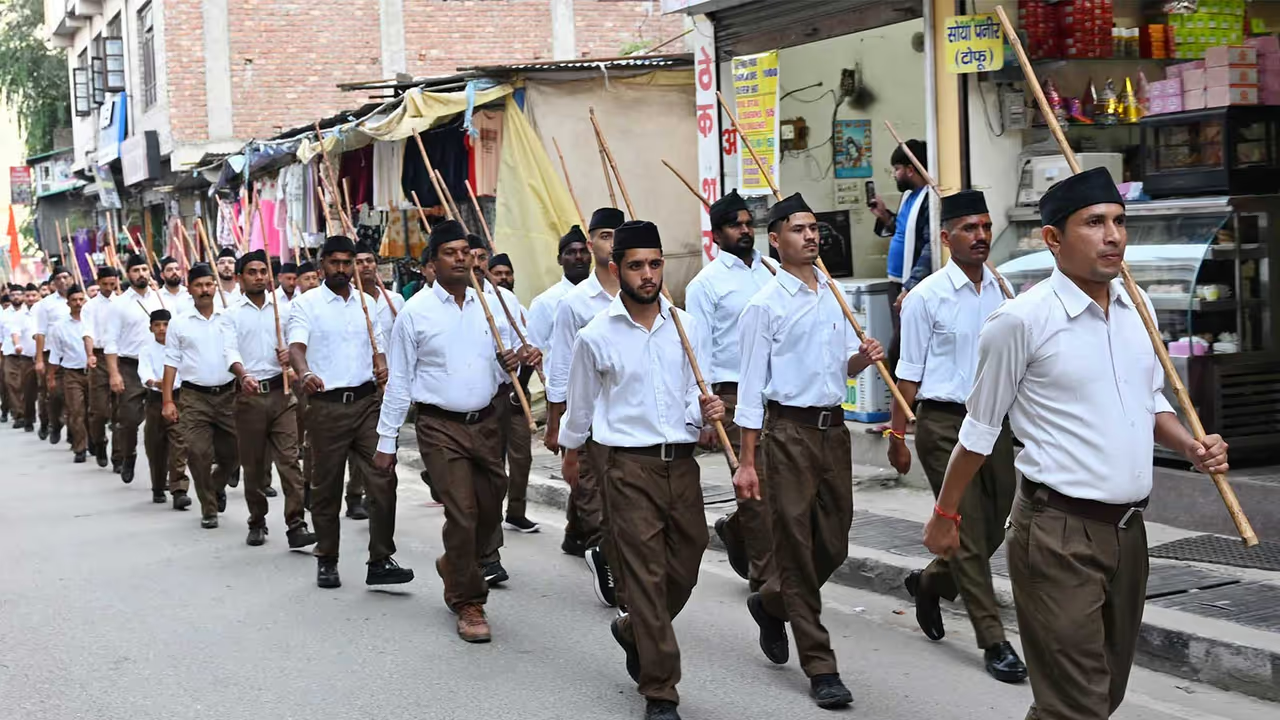
The RSS plans to transition its annual ABPS meeting to a triennial cycle, focusing on decentralization and enhanced grassroots work through new annual regional representative meetings across India.
RSS to Shift Decision-Making to Triennial Cycle
The Rashtriya Swayamsevak Sangh (RSS) has decided to restructure its organisational functioning, with its highest decision-making body, the annual Akhil Bharatiya Pratinidhi Sabha (ABPS), to be held once every three years instead of annually, as per sources. Under the proposed restructuring, the RSS will convene the central ABPS meeting in Nagpur once every three years, while annual regional representative meetings will be organised across all nine RSS regions. The move is aimed at decentralising the organisation’s functioning and accelerating work at the grassroots level.
Functioning and Policy Objectives
Impact of the Revised Structure
Traditionally, the ABPS has been held every year in March since the inception of the Sangh. The meeting serves as a key platform to review the functioning of various departments, deliberate on policy issues, adopt resolutions and set organisational priorities for the year ahead. According to sources, under the revised arrangement, the central meeting in Nagpur will focus primarily on major policy decisions and will coincide with years when the election of the Sarkaryavah (General Secretary) is due. The decision marks a significant shift in the RSS’s organisational structure, placing greater emphasis on regional-level deliberations and decision-making.
The annual regional meetings are expected to provide a more regular forum to assess organisational work and address local priorities. The ABPS remains one of the most important events in the RSS calendar, bringing together representatives from across the country to review its activities and chart its future course. Key resolutions are adopted at the meeting, and leadership-related matters are also taken up as and when required.
Distinction Between RSS Bodies
The restructuring also draws attention to the distinction between the ABPS and the Akhil Bharatiya Karyakari Mandal (ABKM), the RSS’s national executive. The ABKM meeting is generally held in September-October by a more limited group of functionaries and serves as a forum for organisational review and decision-making. While RSS organisational meetings are often viewed through the prism of its relationship with the Bharatiya Janata Party (BJP), the ABPS has played a central role in shaping the Sangh’s internal functioning and broader priorities. The proposed shift from an annual national conclave to a triennial cycle, supplemented by annual meetings across nine regions, signals an effort to deepen decentralised functioning and enhance engagement with the grassroots network.
(Except for the headline, this story has not been edited by Asianetnews Editorial staff and is published from a syndicated feed.)