
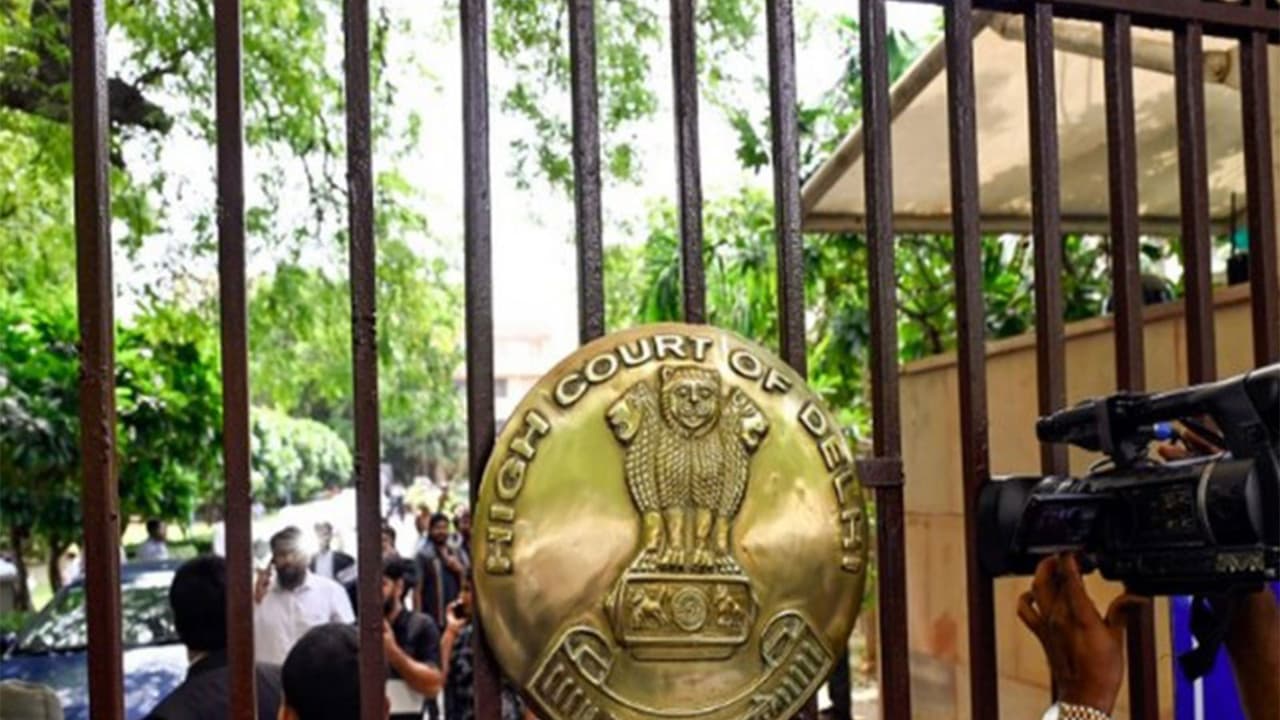
CBI has opposed Arvind Kejriwal's plea for a judge's recusal in the excise policy case. The agency termed the move 'frivolous' and an attempt at 'bench hunting,' urging the Delhi High Court to dismiss the application with high costs.
CBI Opposes Recusal Plea, Calls it 'Frivolous'
In a strong rebuttal before the Delhi High Court, the Central Bureau of Investigation (CBI) has opposed the plea filed by Delhi Chief Minister Arvind Kejriwal and other accused seeking recusal of Justice Dr. Swarana Kanta Sharma, terming the move as "frivolous, vexatious and baseless" and an attempt to undermine the dignity of the Court.
In its detailed reply, the CBI asserted that the recusal applications are built on "conjectures and surmises" and do not meet the legal threshold required to question judicial impartiality. It emphasised that dissatisfaction with interim observations or orders cannot be a ground for seeking recusal, warning that such practices, if entertained, would encourage "bench hunting" and erode judicial independence. The agency clarified that the Court's interim directions--including the stay on certain remarks against the investigating officer--do not indicate any pre-determined mindset. It argued that observations made at the interim stage are tentative and not binding at the stage of final adjudication, and therefore cannot be construed as bias.
CBI Defends Procedural and Legal Stance
On the issue of service of notice, the CBI maintained that service through counsel representing the accused before the trial court is a valid and legally recognised mode. It pointed out that an advocate's engagement continues through appellate and revisional proceedings unless expressly terminated, and relied on the Delhi High Court (Original Side) Rules, 2018 to support its position.
Addressing the deferment of proceedings under the Prevention of Money Laundering Act (PMLA), the CBI submitted that constitutional courts have inherent powers to mould interim relief to prevent miscarriage of justice. It argued that deferring proceedings was justified since the discharge order in the predicate offence is under challenge and has not attained finality. The agency further contended that PMLA proceedings do not abate unless there is a final acquittal in the predicate offence. Since the revision petition against discharge is still pending, the matter remains sub judice and cannot be treated as conclusively decided.
Rejecting the claim that the Court could not have made prima facie observations without the trial court record, the CBI stated that interim orders are often passed on the basis of available material and legal issues. It stressed that the observations were confined to legal aspects and did not require a detailed appreciation of evidence at that stage.
The CBI also denied allegations of haste or denial of adequate opportunity, citing the Supreme Court's ruling in Ashwini Kumar Upadhyay v. Union of India to underline the need for expeditious disposal of cases involving MPs and MLAs, given their impact on public confidence in democratic institutions.
Legal Standard for Recusal
On the settled legal position regarding recusal, the agency argued that apprehension of bias must be reasonable and based on tangible material--not mere allegations. It added that judges are not expected to recuse themselves merely because a party has raised objections, cautioning that such a trend would disrupt the adjudicatory process.
Concluding its reply, the CBI urged the Court to dismiss the recusal applications with high costs, calling them an abuse of process aimed at derailing proceedings.
Background of the Hearing
The development comes after the Delhi High Court issued notice to the CBI on the recusal plea filed by Arvind Kejriwal and other accused in the excise policy case. Kejriwal, who appeared in person during the hearing, informed the Court that he would argue the recusal application himself. Recording his presence as Respondent No. 18, the Court took his application on record and directed the Registry to place it digitally. It also allowed other parties to file similar pleas and directed the CBI to submit its reply within a short timeline.
During the hearing, Solicitor General Tushar Mehta, appearing for the CBI, had already termed the recusal plea as "frivolous" and based on vexatious allegations. He argued that such claims against institutions must be countered firmly and remarked that the courtroom is "not a forum for theatrics." He also stated that if Kejriwal wishes to argue in person, he must first discharge his counsel. Kejriwal, however, maintained that he had followed due procedure in filing the application and highlighted procedural limitations for litigants appearing in person in e-filing.
The High Court is currently hearing the CBI's appeal challenging the trial court's discharge of Kejriwal, former Deputy Chief Minister Manish Sisodia, and others in the Delhi Excise Policy 2021-22 case. Earlier, the Chief Justice of the Delhi High Court had declined a request for transfer of the case on the administrative side, stating that roster allocation had been duly followed and that any decision on recusal lies with the concerned judge.
The excise policy case pertains to alleged irregularities in the now-scrapped Delhi Excise Policy 2021-22, which was under investigation by the CBI and the Enforcement Directorate, with several AAP leaders named as accused. (ANI)
(Except for the headline, this story has not been edited by Asianet Newsable English staff and is published from a syndicated feed.)