
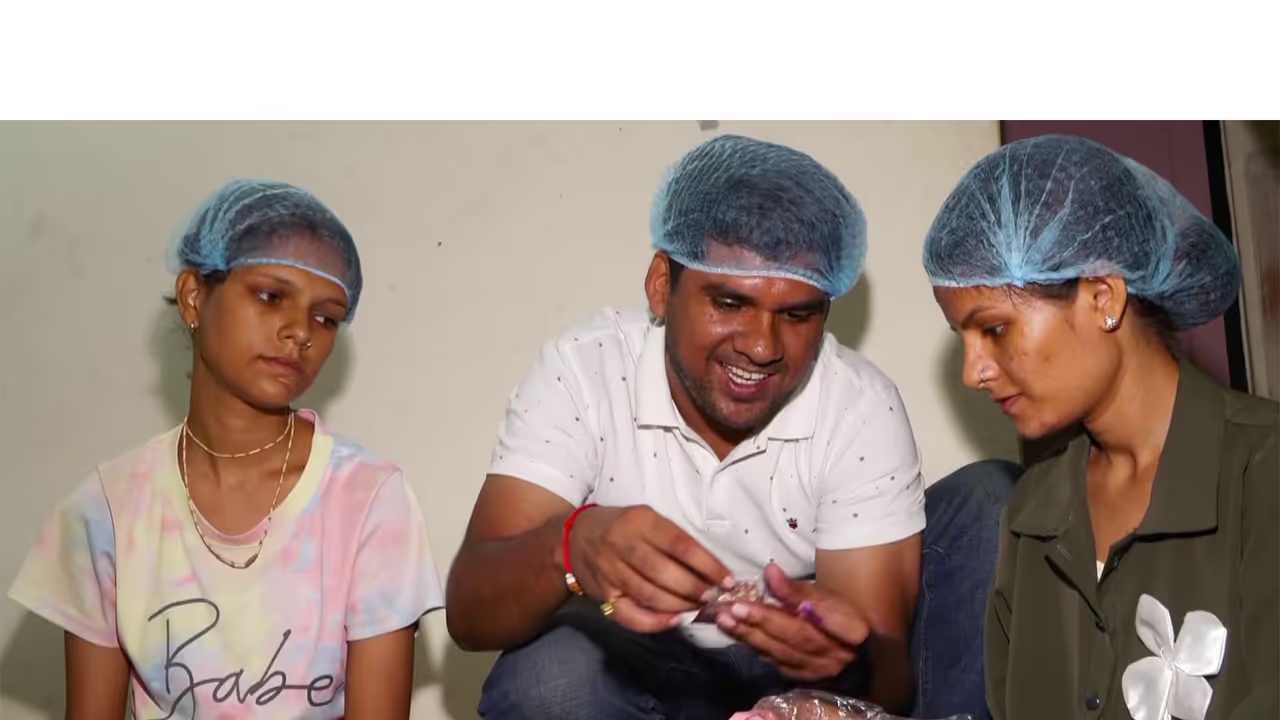
Two startups in Rajasthan's Pali district are fostering local growth by turning regional resources into wellness and food products, successfully creating jobs for tribal women and empowering youth through digital entrepreneurship.
Empowering Rural Communities Through Local Innovation
Two homegrown startups in Rajasthan's Pali district are turning local resources and innovative ideas into business opportunities, while generating employment for rural women and youth. From value-added wellness products made from babool pods to dry-fruit-based sweets, these ventures are taking local entrepreneurship beyond the village.
One such initiative is led by Rakesh Dave, founder of Aukasan, who has built a wellness business around the pods of the babool tree, a commonly found tree whose fruit is often overlooked. By adding value to this locally available resource, Dave has developed a range of products through a process of cleaning, drying, grinding and packaging the pods. The initiative also brings women from tribal communities into the production process, providing them with employment opportunities close to home.
Creating Sustainable Employment for Tribal Women
"We have two tribal communities in our area – the Garasia and Bhil communities. Women from these communities collect the pods from the forests and bring them to our processing unit. We wash them, dry them in the shade, pound them into powder, sieve it and then package it. Through value addition, we have been able to develop several products," Dave said.
Around 15 women are currently employed with the enterprise, performing different tasks involved in processing and packaging. "About 15 women work here. Some separate the material, some dry it, while others wash it. Everyone has a specific role in the process," said Priyanka, an employee at Aukasan.
Digital Growth and Modern Business Models
The startup has also created opportunities for local youth in digital marketing and e-commerce, enabling them to work without migrating to bigger cities. Nandini, a social media executive with the company, said she has been associated with the venture for nearly two years. "I have been working with the company for around two years. I handle editing and other social media-related work, including posting about our products on platforms such as WhatsApp, Facebook and Instagram," she said.
Another homegrown venture in Pali, Fruitox, founded by Abhay Sabu, is bringing a different approach to traditional Indian sweets. Started from a home kitchen, the business specialises in dry-fruit-based confectionery made with dates for sweetness instead of refined sugar. The products use ingredients such as almonds and cashews, without refined sugar, mawa or khoya.
Expanding Reach Through E-commerce
According to Sabu, this also helps extend their shelf life. "Our sweets are dry-fruit-based. We do not use refined sugar; instead, we use the natural sweetness of dates. We also completely avoid mawa and khoya. This reduces the moisture content and gives our products a shelf life of up to four months," Sabu said.
The enterprise has also created employment opportunities for local women and is expanding its market through online sales. Its own website enables it to reach customers in different parts of the country. Anjali, the company's marketing manager, said the business is gradually expanding its national footprint. "We have our own website and deliver across India. Our products reach customers in South India, Mumbai and Pune, among other places. We can send our sweets anywhere in the country, and we are working towards covering the remaining states as well," she said.
The two ventures demonstrate how entrepreneurship in smaller towns can combine local resources, innovation and digital platforms to create sustainable business opportunities. More importantly, they show how homegrown enterprises can generate local employment, empower women and encourage young people to build businesses in their own communities. (ANI)
(Except for the headline, this story has not been edited by Asianetnews Editorial staff and is published from a syndicated feed.)









