
Netflix informed the Delhi HC that the title of Manoj Bajpayee's film 'Ghooskhor Pandat' will be changed, addressing a petitioner's concerns. The court then disposed of the plea that claimed the original title was defamatory to a community.
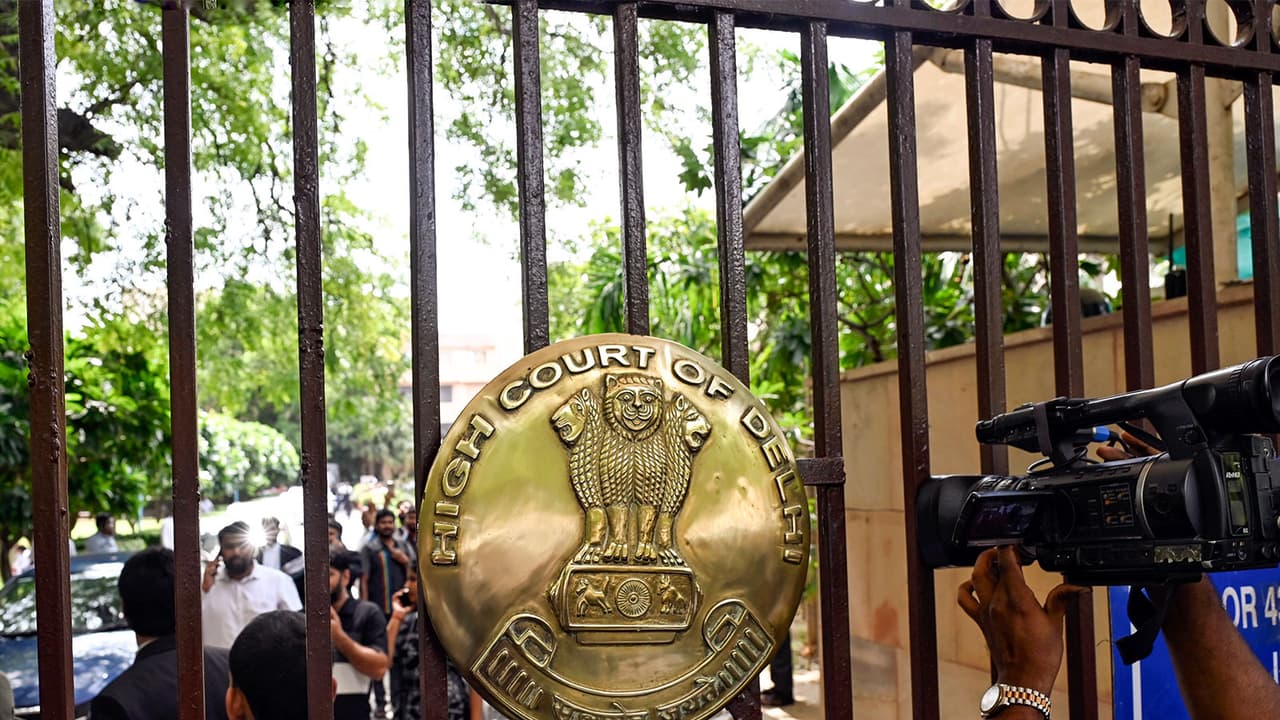
The Delhi High Court on Tuesday informed by Netflix that the producer of Manoj Bajpayee's starrer, earlier titled "Ghooskhor Pandat," has taken a conscious decision to change the name of the film in light of the concerns raised, and will adopt an alternate title that better reflects the film's narrative and intent.
The submission was made during the hearing of a plea seeking a stay on the film's release and streaming. Taking note of the statement and the stand of the parties, the Court disposed of the petition after counsel for the petitioner, Mahender Chaturvedi, submitted that his grievance was confined to the title of the film, which now stood resolved following the decision to change it.
Details of the Petition
The writ petition had been filed seeking to restrain the release of the Netflix film on the ground that its earlier title was defamatory and communally offensive. Filed through Advocate Vineet Jindal, the plea sought directions to the authorities to intervene and stay the streaming of the film along with other consequential reliefs.
Defamation Allegations
Chaturvedi, who describes himself as an Acharya devoted to the study and teaching of Indian scriptures and spiritual traditions, had claimed to be directly aggrieved by the use of the word "Pandat" in the title. He alleged that associating the term with corruption and bribery harmed the dignity and reputation of the Brahmin community as well as his own vocation.
According to the petition, promotional material circulated by Netflix India allegedly linked the term with immoral and corrupt conduct. The plea contended that the word historically signifies scholarship, ethical conduct, spiritual guidance and moral authority, and that such portrayal amounted to stereotyping and vilification of an entire religious and social community.
Constitutional and Regulatory Concerns
The petitioner had further argued that the impugned title and content violated fundamental rights under Articles 14, 21 and 25 of the Constitution, while stating that freedom of speech and expression under Article 19(1)(a) is subject to reasonable restrictions under Article 19(2) and does not extend to defamation or content that may disturb communal harmony.
The plea had also raised concerns over the lack of an effective regulatory mechanism to prevent misuse of creative freedom on OTT platforms and sought directions to the Union Government to take appropriate action.
However, in view of Netflix's submission regarding the change of title and the petitioner stating that his objection stood addressed, the High Court closed the matter.
(Except for the headline, this story has not been edited by Asianet Newsable English staff and is published from a syndicated feed.)