
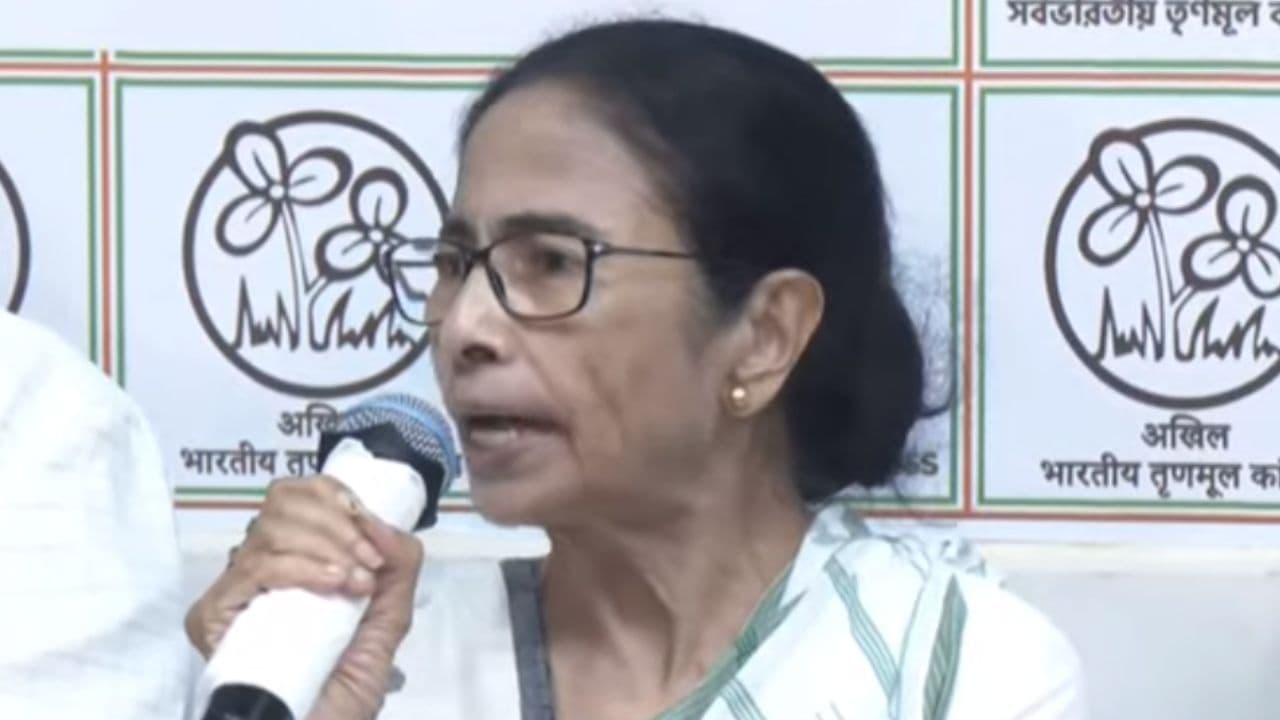
A political and constitutional crisis erupted in West Bengal following the BJP’s 2026 election victory. Chief Minister Mamata Banerjee refused to resign, prompting Governor R. N. Ravi to dissolve the state Assembly and Cabinet.
West Bengal has plunged into a major political and constitutional confrontation after Chief Minister Mamata Banerjee refused to resign following the Bharatiya Janata Party’s sweeping victory in the 2026 Assembly elections. The standoff escalated dramatically after Governor R. N. Ravi dissolved the state Assembly and Cabinet, paving the way for the formation of Bengal’s first BJP government.
The BJP secured a decisive majority in the election, ending the Trinamool Congress’ long dominance in the state. Despite the verdict, Mamata Banerjee maintained that the election outcome did not reflect the “true public mandate” and declared she would not formally step down as Chief Minister.
Bengal assembly dissolved
Her refusal triggered intense political debate over constitutional procedure and the Governor’s powers in a post-election transition. On Thursday, Governor RN Ravi invoked Article 174(2)(b) of the Constitution to dissolve the 17th West Bengal Legislative Assembly with immediate effect. The move automatically ended the tenure of the Mamata Banerjee-led Cabinet.
According to reports, the BJP is now preparing to form the next government, with the swearing-in ceremony expected shortly. Union Home Minister Amit Shah is scheduled to oversee meetings with newly elected BJP MLAs in Kolkata to finalise the party’s chief ministerial candidate. Leader of Opposition Suvendu Adhikari has emerged as the frontrunner, though other names remain in consideration.
The political temperature in Bengal has risen further amid allegations of election irregularities and demands from opposition leaders to release CCTV footage from polling stations. Samajwadi Party chief Akhilesh Yadav publicly backed Mamata Banerjee’s concerns and urged the Election Commission to make voting footage public.
Also Read: BJP Wins Bengal; Assembly Dissolved Amid Post-Poll Violence, Murder
Meanwhile, BJP leaders accused Mamata Banerjee of creating confusion despite the clear electoral verdict. BJP MP Rahul Sinha claimed that the Governor had already “dismissed the previous government,” while senior BJP leader Dilip Ghosh said Mamata was living in “illusion.”
Interestingly, even after the Assembly dissolution, Mamata Banerjee reportedly continued to identify herself as “Chief Minister of West Bengal” on her official social media profiles, drawing criticism from political rivals.
Constitutional experts cited in multiple reports said Mamata Banerjee now has limited options. Once election results are notified and a new majority is established, the Governor is constitutionally expected to invite the majority party or coalition to form the government. Experts noted that while a sitting Chief Minister is not “automatically removed,” refusal to resign leaves room for gubernatorial intervention.
The Election Commission has already declared results for 293 out of 294 seats, with only one constituency awaiting repolling. The Model Code of Conduct has also been lifted across the state except in the affected seat, further signalling the completion of the electoral process.
The developments mark one of the most dramatic political transitions in West Bengal in decades. The BJP is now on the verge of forming its first-ever government in the state, while Mamata Banerjee appears prepared for a prolonged legal and political battle over the election outcome and transfer of power.
Also Read: Vijay scrambles for numbers in TN; Mamata Banerjee refuses to resign
