
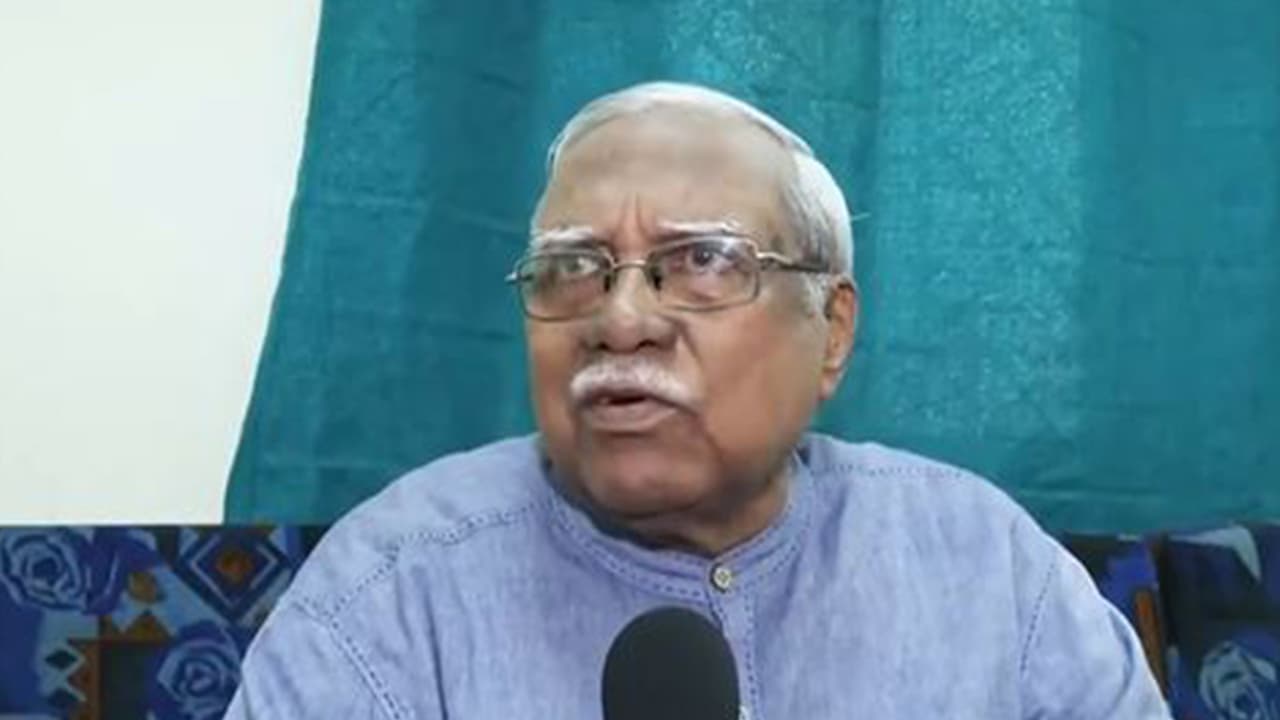
CPI(M) leader Hannan Mollah extended Eid-Ul-Fitr greetings, highlighting the festival as a symbol of joy, unity, and communal harmony. Other leaders also offered prayers and wished for peace, brotherhood, and global welfare on the occasion.
Hannan Mollah Hails Eid as Symbol of Harmony
On the occasion of Eid-Ul-Fitr celebrations, CPI (M) leader Hannan Mollah on Saturday extended his greetings to the nation, highlighting the festival as a symbol of joy, unity and communal harmony.
Speaking on the significance of the day, Mollah noted that Eid-Ul-Fitr marks the culmination of the holy month of Ramzan, a period of fasting, prayer and spiritual reflection for Muslims across the world. "After a month of fasting, Muslims celebrate Eid with joy and unity, gathering with friends and family, including those from other faiths. It is a festival of happiness, brotherhood, and harmony, with the hope that people across the nation live peacefully together," the CPI (M) leader said.
Leaders Extend Greetings, Offer Prayers for Peace
Meanwhile, leaders from the Muslim Community, cutting across party lines, on Saturday offered namaz on the occasion of Eid al-Fitr in the national capital and extended greetings to the nation, wishing peace and harmony for global welfare.
Former Rajya Sabha MP Mohammad Adeeb, after offering prayers at the Parliament Street Mosque, told reporters, "This is an important day because for 30 days, we seek forgiveness from Allah for our sins and we pray. We celebrate after 30 days of prayers. Ramzan is a month when we cleanse our souls and give a message of love. This is a joyous day."
BJP national media in-charge Yaser Jilani also offered prayers at the Parliament Street Mosque and described the occasion as a joyous day for the community.
Democratic Progressive Azad Party (DPAP) chairman Ghulam Nabi Azad extended his greetings and said, "Greetings to everyone on the occasion of Eid. We pray to Allah that the war and bloodshed, especially in West Asia, where about 1 crore Indians work, which benefits the country, end and there be peace."
Significance of Eid al-Fitr and Ramzan
Eid al-Fitr is one of the most significant festivals in Islam, marking the end of the holy month of Ramazan. It is celebrated with special prayers (namaz), charity, feasting, and community gatherings. On this day, Muslims begin with morning prayers at mosques or Eidgahs, followed by greeting each other, sharing meals, and spreading messages of peace, unity, and compassion.
Ramazan, the ninth month of the Muslim calendar, is one of the most sacred times as it is believed that the Quran came down to the earth from heaven for the very first time. The holy Quran is regarded as "a guidance for men and women, a declaration of direction, and a means of salvation."
For an entire month, Muslims follow a schedule of waking up early, which they call 'Sheheri', and by 4:45 am have food, then after fasting for the whole day, not even drinking a drop of water. They perform Namaz five times a day. The early morning prayer is known as Fazar followed by Zohar in second, Ashar in third, Maghrib in fourth and the final one: Isha.
The day-long fast (Roza) ends after Magrit which usually falls after 6 pm or later in the evening. (ANI)
(Except for the headline, this story has not been edited by Asianet Newsable English staff and is published from a syndicated feed.)