
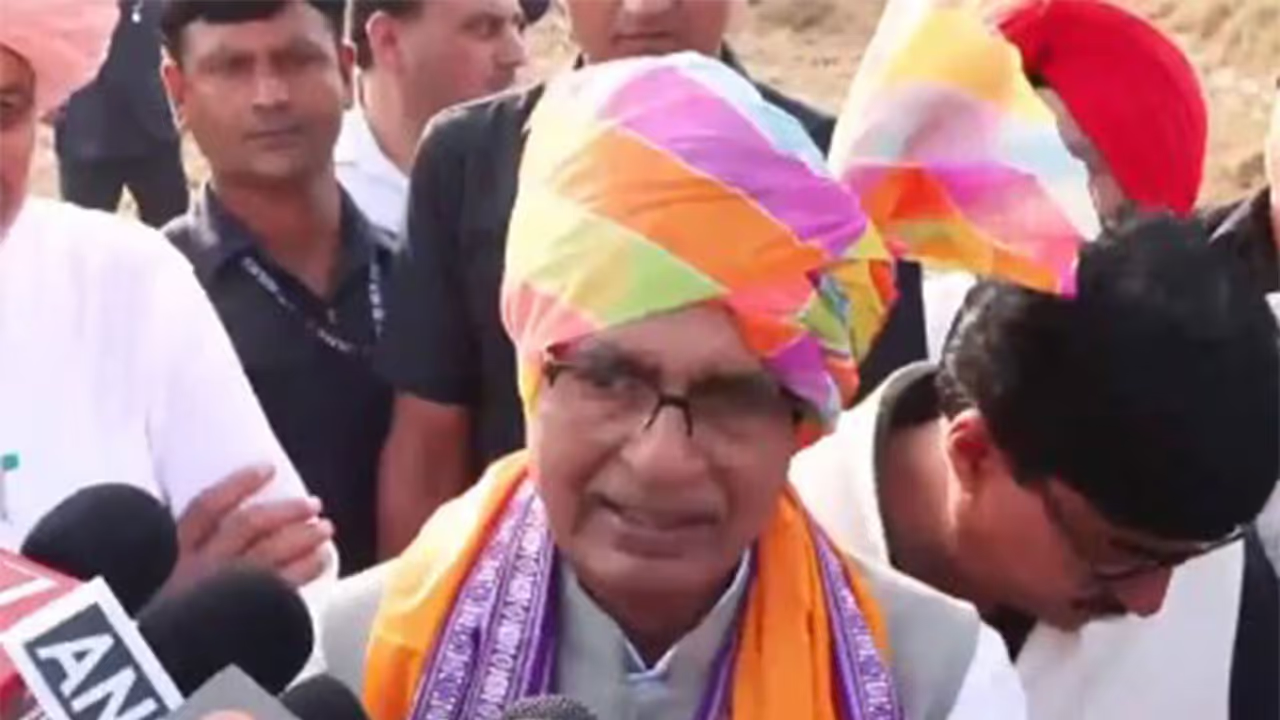
Union Agriculture Minister Shivraj Singh Chouhan launches Khet Bachao Abhiyaan in Haryana, urging farmers to stop stubble burning and sell crop residue for extra income while promoting sustainable farming practices to protect the environment.
Union Minister Urges Shift from Stubble Burning
Union Agriculture Minister Shivraj Singh Chouhan on Thursday urged farmers to stop burning stubble, saying crop residue can be sold for Rs 200 to 250 per quintal if managed properly, as the "Khet Bachao Abhiyaan – Rabi 2026" was launched in Karnal, Haryana.
Speaking to reporters in Karnal, Chouhan suggested an alternative approach which involves harvesting the crop with a cutter, gathering the residue with a rake and bundling it with a baler. "Burning stubble kills the beneficial insects in the fields. It harms the health of the soil. It degrades the environment. Air quality reaches dangerous levels. However, if an alternative approach is taken— using a cutter to harvest the crop, followed by a rake to gather the residue, and a baler to bundle it— what was once burned now becomes valuable to the farmer. It can now be sold, with various industrial units purchasing it... By selling it, the farmer earns Rs 200 to 250 per quintal," he said.
Addressing Challenges in Agriculture
Crop residue left behind after harvesting often poses a major problem for farmers. Faced with limited time, labour shortages and rising costs, many resort to burning stubble to quickly prepare fields for the next crop cycle. The practice contributes significantly to air pollution and poses serious health and environmental risks.
Objectives of Khet Bachao Abhiyaan
The nationwide ‘Khet Bachao Abhiyan- Rabi 2026’ will run from 22 October to 30 November 2026 to promote sustainable agriculture, improve soil health and encourage the judicious use of agricultural resources, according to the Ministry of Agriculture & Farmers Welfare.
The campaign aims to create awareness among farmers about the balanced and judicious use of fertilisers and other agricultural inputs based on soil testing. It will promote crop diversification through oilseed, pulse and horticulture missions, encourage the effective utilisation of fallow fields after paddy harvesting and promote proper crop residue management.
The campaign will also focus on training farmers in the appropriate use of organic and bio-based agricultural products and promoting natural farming through awareness programmes, training sessions and field demonstrations, the ministry said.
In addition, it will emphasise water conservation, rainwater harvesting and groundwater recharge, while encouraging sustainable agricultural practices to conserve natural resources and ensure the long-term sustainability of agriculture.
(Except for the headline, this story has not been edited by Asianetnews Editorial staff and is published from a syndicated feed.)