
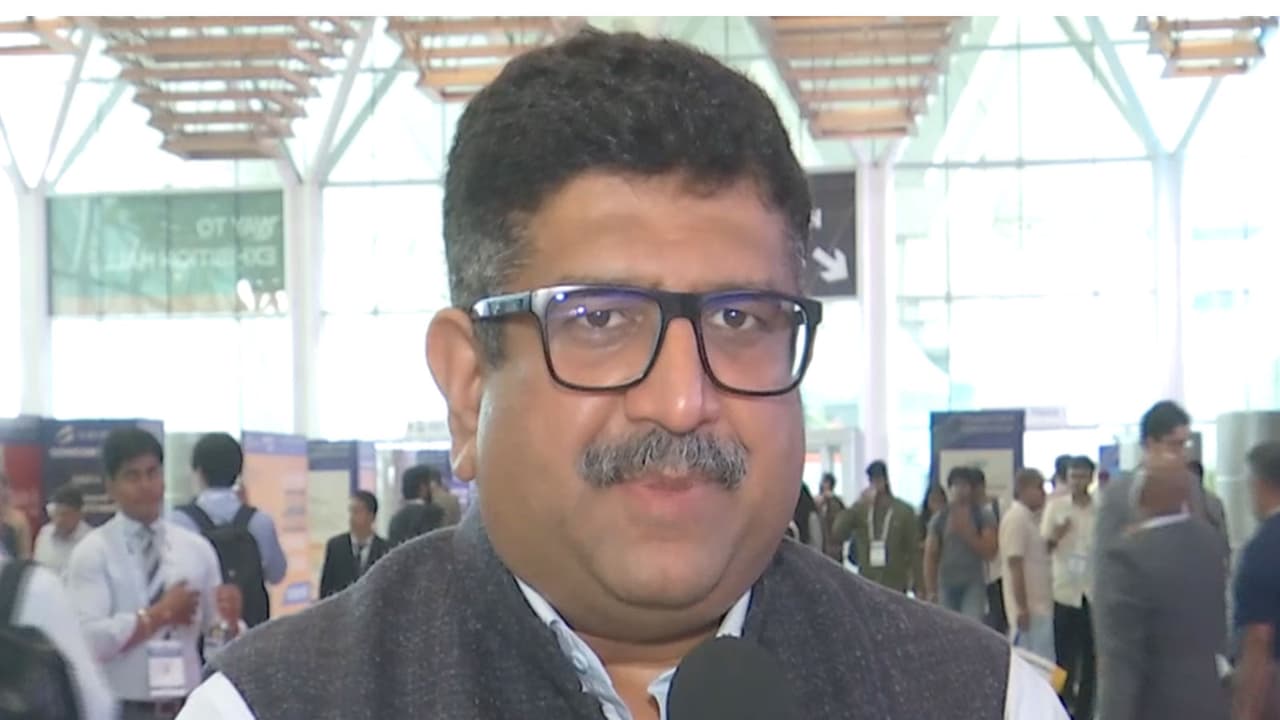
Ex-Standard Chartered MD Sanjeev Mehta says introducing an MDR on select UPI transactions is vital for maintaining and expanding India's digital payments infrastructure, arguing a completely free ecosystem is unsustainable in the long run.
MDR for Sustainable Infrastructure
Speaking on the ongoing debate over UPI charges, Mehta spoke to ANI on the sidelines of Semicon 2.0 and said India's creation of real-time payment infrastructure through UPI had been a major development, but maintaining such technology infrastructure involved costs that needed to be borne by the ecosystem. “Someone will bear that cost,” Mehta said, adding that running the entire payments ecosystem free of charge was not sustainable.
New UPI Framework Details
Under the new UPI framework, MDR will apply only to specified person-to-merchant (P2M) transactions above Rs 2,000, while all person-to-person (P2P) transactions will remain free. The MDR has been set at 0.4 per cent for eligible merchant transactions, capped at Rs 300 per transaction for payments of Rs 75,000 and above.
The government has said around 96 per cent of P2M transactions will remain unaffected, while MDR will be distributed among payment ecosystem participants, including banks and payment application providers.
Contextualising the Charge
Mehta said the MDR proposed for UPI should be viewed in the context of charges levied on other payment networks, including Mastercard, Visa and American Express, where merchants pay charges for card transactions. He said the UPI charge was comparatively small and would help strengthen the infrastructure.
He also rejected the narrative that the introduction of UPI MDR was a result of pressure or influence from the US or global payment companies. He said the decision should instead be viewed in terms of what is required to expand India's payment infrastructure and enable new use cases. “The government has introduced a charge, and it is the right of India, how much charge it wants to impose,” he said.
Addressing Consumer Impact Concerns
On concerns that merchants could pass the MDR on to consumers, Mehta said the government had structured the charge in a way that would limit its impact on consumers. The government has said MDR is a charge within the merchant payment ecosystem and not a charge imposed on customers, and banks have been advised to ensure merchants do not pass it on to consumers.
Mehta said merchants would continue to focus on attracting customers and selling goods and services, irrespective of whether payments were made through UPI or credit cards. He further said the maximum Rs 300 cap should not be viewed as a direct cost to consumers, arguing that available data indicates no significant consumer-level impact from the measure.
Future of UPI Ecosystem
Mehta said the introduction of MDR could also provide a source of revenue to participants in the UPI ecosystem, allowing them to sustain the infrastructure and develop new payment methods and use cases. He said new use cases could emerge on the UPI infrastructure as fintech companies and other participants develop payment products on the network. (ANI)
(Except for the headline, this story has not been edited by Asianet Newsable English staff and is published from a syndicated feed.)
