
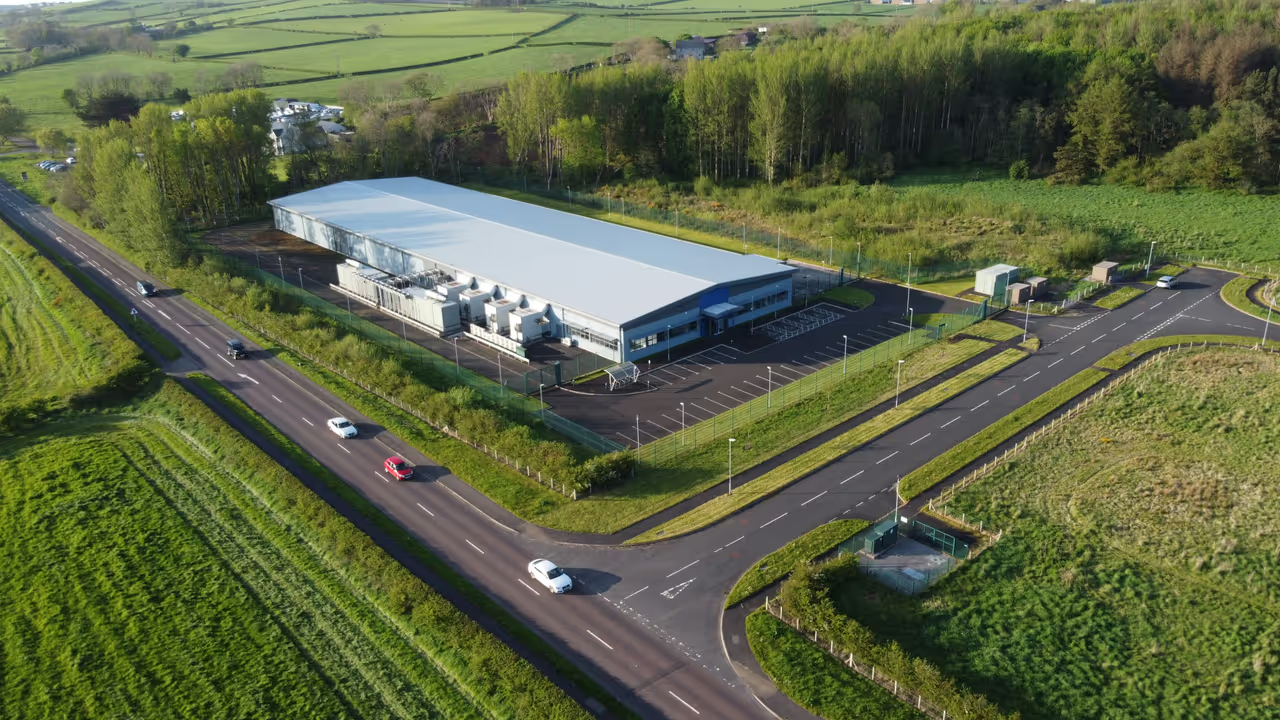
As artificial intelligence infrastructure expands rapidly, a new debate is emerging over who benefits, who bears the costs and how communities should be compensated when major projects arrive.
US President Donald Trump has suggested that companies developing data centres should share financial benefits with local communities, arguing that direct economic returns can help ease opposition to the rapid expansion of artificial intelligence infrastructure across the country.
The proposal comes as large-scale data centre projects face growing resistance in several parts of the United States. Concerns over electricity consumption, water use and environmental impacts have increasingly transformed data centres from economic development projects into politically sensitive issues affecting local communities.
In a post on Truth Social, Trump said projects that initially faced significant opposition often became more acceptable once local residents saw direct financial benefits. He suggested that developers seeking community support should provide a form of "dividend" to areas hosting the facilities.
The remarks reflect a broader challenge confronting the technology industry as investment in artificial intelligence accelerates. Data centres form the backbone of AI systems, but their enormous need for power and water has sparked criticism from residents worried about rising utility costs, pressure on infrastructure and environmental effects.
Public frustration has grown across political lines, making data centre expansion an increasingly prominent local and national issue.
The Trump administration has strongly backed rapid AI development as part of broader efforts to maintain US competitiveness against China. At the same time, officials have acknowledged the growing political resistance surrounding the construction of large-scale computing facilities.
Trump has repeatedly argued that technology companies should shoulder more responsibility for the infrastructure required to support AI growth. Earlier this year, he called on major firms to build dedicated power generation facilities for their data centres rather than increasing pressure on existing electricity systems.
Communities Becoming Central To The AI Infrastructure Debate
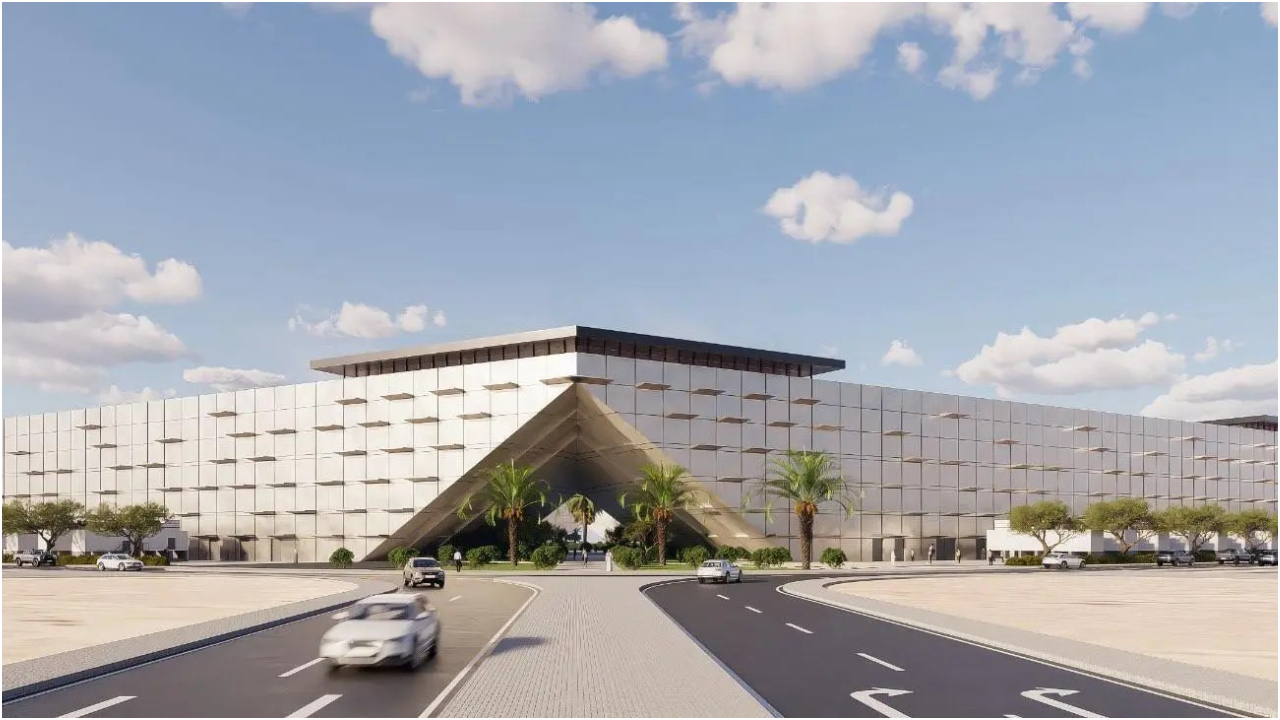
In his latest comments, Trump reiterated that data centre operators should generate their own electricity and contribute any surplus energy back to local communities or electrical grids.
While earlier discussions focused primarily on technological innovation and investment, attention is increasingly turning to how communities experience the effects of rapid development.
Residents in several parts of the country have raised concerns about the scale of proposed projects, arguing that local resources may be stretched without corresponding benefits for those living nearby. Questions surrounding water availability, electricity demand and public infrastructure have become recurring issues during project approval processes.
Against that backdrop, some technology leaders have recently advanced proposals aimed at sharing more of AI's financial gains with the public.
Anthropic, the developer of the Claude family of AI models, announced plans to allocate five per cent of its equity to a new fund designed to support public-benefit objectives. The initiative was presented as a way of ensuring that broader society shares in the economic gains associated with advances in artificial intelligence.
Elon Musk has also advocated direct public participation in the benefits created by the technology sector. Earlier this week, he proposed distributing one SpaceX share to every child in the United States, framing the idea as a mechanism for broadening access to future economic value generated by technological innovation.
Although the proposals differ in structure, they emerge from a similar debate. As AI investment reaches unprecedented levels and data centres continue expanding nationwide, policymakers, companies and local communities are increasingly confronting questions about how the economic rewards of technological growth should be distributed.
