
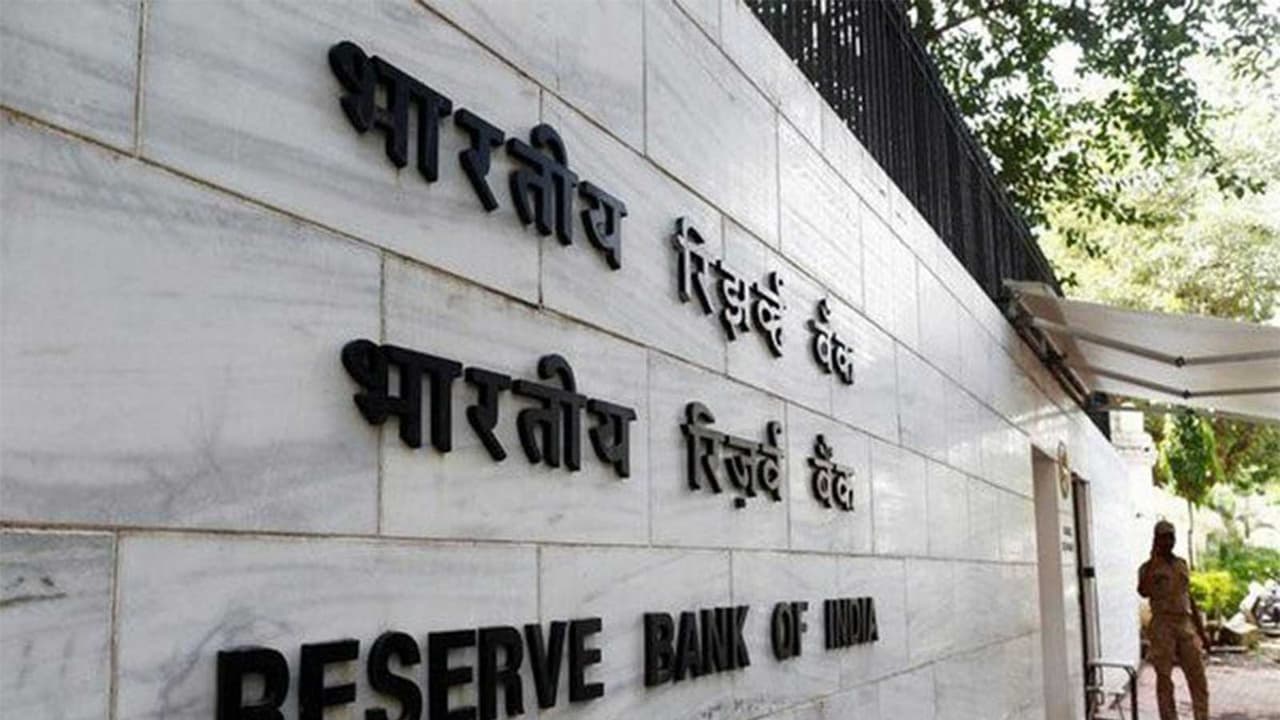
RBI's repo rate hike and policy shift to 'calibrated tightening' could be an earnings catalyst for large Indian banks, a Jefferies report notes. Faster loan repricing is expected to improve margins for major private-sector and public-sector lenders.
The Reserve Bank of India's latest rate hike and the possibility of further monetary tightening could become an earnings catalyst for Indian banks, particularly larger private-sector and public-sector lenders, as loan yields reprice faster and margins improve, according to a Jefferies equity research report.
The assessment comes after the RBI's Monetary Policy Committee raised the repo rate by 25 basis points to 5.50 per cent and shifted its policy stance from "neutral" to "calibrated tightening", signalling that the current tightening cycle may have further to run.
Winners and Losers in the Financial Sector
"This can be a positive catalyst for the earnings of larger private banks, PSU banks and HFCs, whereas a slight risk for smaller private banks, NBFCs and LIs," Jefferies said in its India Financials Equity Research report.
Policy Stance Signals Further Tightening
Jefferies said the change in monetary policy stance was more significant than the 25-basis-point rate increase itself, as it could point to a larger cumulative increase in rates than previously expected.
"Change of stance implies there won't be scope for rate cuts, and we may see tightening of liquidity conditions through interventions, leading to market rates rising more than RBI's rate," the report said. "This could lead to rate hikes from RBI in the range of 75-100bps, instead of consensus of 50bps rate hikes," it added.
Mechanism of Margin Expansion
Higher rates do not benefit all lenders equally. According to Jefferies, banks with a larger share of loans linked to external benchmarks such as the repo rate can reprice their lending rates relatively quickly when the policy rate rises.
"Banks with a higher share of EBLR loans and reasonable domestic LDR could see some positive earnings over next 3-6 months," Jefferies noted. The brokerage expects the impact of higher rates to be particularly visible in bank margins after the pressure caused by the earlier easing cycle.
Its analysis said that, "In contrast to the impact of rate cuts on margins in FY26, we may see banks reporting margin expansion in FY28." However, the report said smaller private banks and NBFCs could see less benefit because a larger portion of their loans are fixed-rate or linked to internal benchmarks and therefore reprice more slowly.
"Smaller private banks and NBFCs have a higher share of fixed-rate or internally benchmarked loans, which don't see as quick repricing of loans," Jefferies said.
Potential for Sector Outperformance
The brokerage said an improvement in earnings could also help Indian banks perform better relative to NBFCs and global financial stocks after a period of underperformance.
"Earnings upgrade can aid the relative performance of Indian banks," the report said, adding that improving earnings trends could become a potential catalyst for the sector. (ANI)
(Except for the headline, this story has not been edited by Asianet Newsable English staff and is published from a syndicated feed.)