
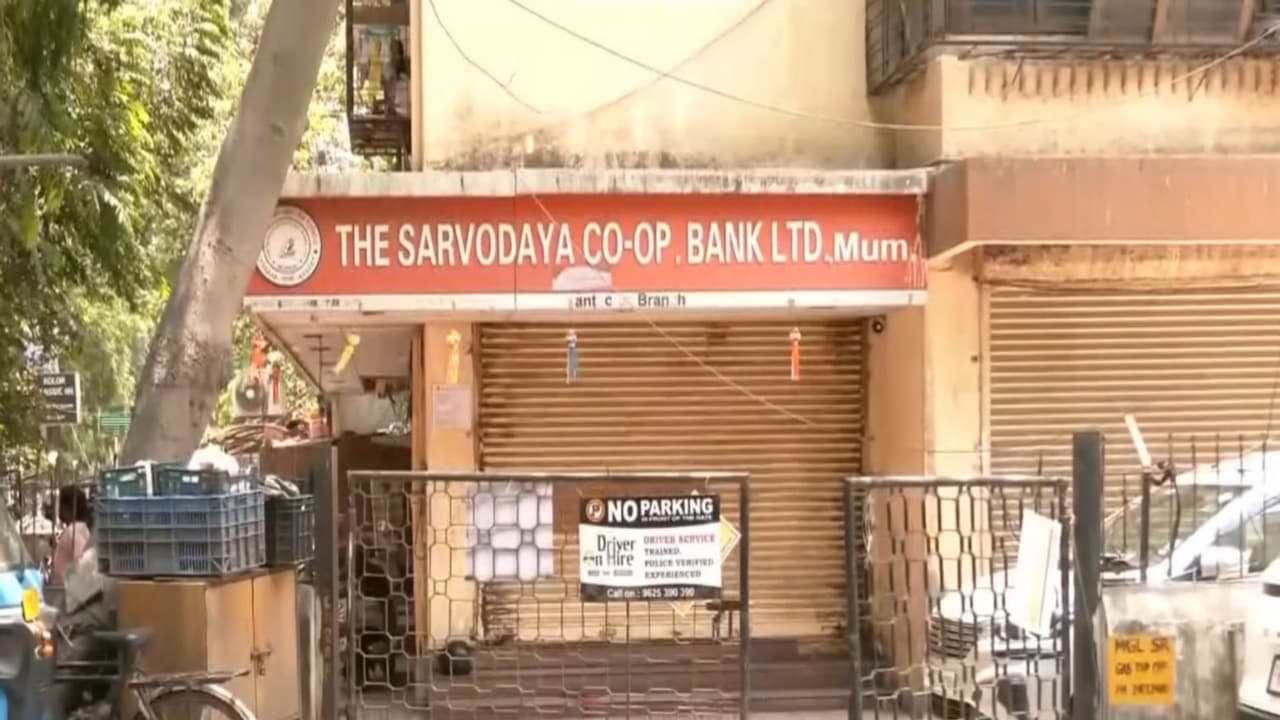
The RBI cancelled the licence of Mumbai's Sarvodaya Co-operative Bank due to inadequate capital and poor earning prospects. The bank has ceased operations. Most depositors (98.36%) will get their full deposits back from DICGC, up to Rs 5 lakh.
The Reserve Bank of India (RBI) has cancelled the licence of Sarvodaya Co-operative Bank Ltd., Mumbai, citing inadequate capital, poor earning prospects and concerns over the interests of depositors.
In an official statement, the RBI said the licence was cancelled through an order dated May 12, 2026, under Section 22 read with Section 56 of the Banking Regulation Act, 1949. Following the cancellation, the bank has ceased to carry on banking business with effect from the close of business on May 12.
Reasons for Licence Cancellation
The RBI also said that the Commissioner for Cooperation and Registrar of Cooperative Societies, Maharashtra, has been requested to issue an order for winding up the bank and appointing a liquidator. According to the central bank, the decision was taken as the bank did not have adequate capital and earning prospects and failed to comply with several provisions of the Banking Regulation Act, 1949.
"The bank does not have adequate capital and earning prospects," the RBI stated. The RBI further said the bank failed to comply with the requirements under of the Banking Regulation Act. It also noted that the continuation of the bank would be prejudicial to the interests of depositors.
"The bank with its present financial position would be unable to pay its present depositors in full," the statement said. The RBI added that allowing the bank to continue banking operations would adversely affect public interest.
Depositor Protection and Insurance Claims
Consequent to the cancellation of the licence, Sarvodaya Co-operative Bank has been prohibited from conducting banking business, including acceptance and repayment of deposits, with immediate effect.
The RBI clarified that on liquidation, every depositor would be entitled to receive deposit insurance claim amounts of up to Rs 5 lakh from the Deposit Insurance and Credit Guarantee Corporation (DICGC), subject to the provisions of the DICGC Act, 1961.
According to the data submitted by the bank, around 98.36 per cent of depositors were entitled to receive the full amount of their deposits from DICGC as on the date of imposition of All Inclusive Directions. The RBI also stated that as of March 31, 2026, DICGC had already paid Rs 26.72 crore towards insured deposits under Section 18A of the DICGC Act, 1961, based on the willingness received from depositors of the bank.
The central bank said the action was necessary to protect depositors and safeguard public interest. (ANI)
(Except for the headline, this story has not been edited by Asianet Newsable English staff and is published from a syndicated feed.)