
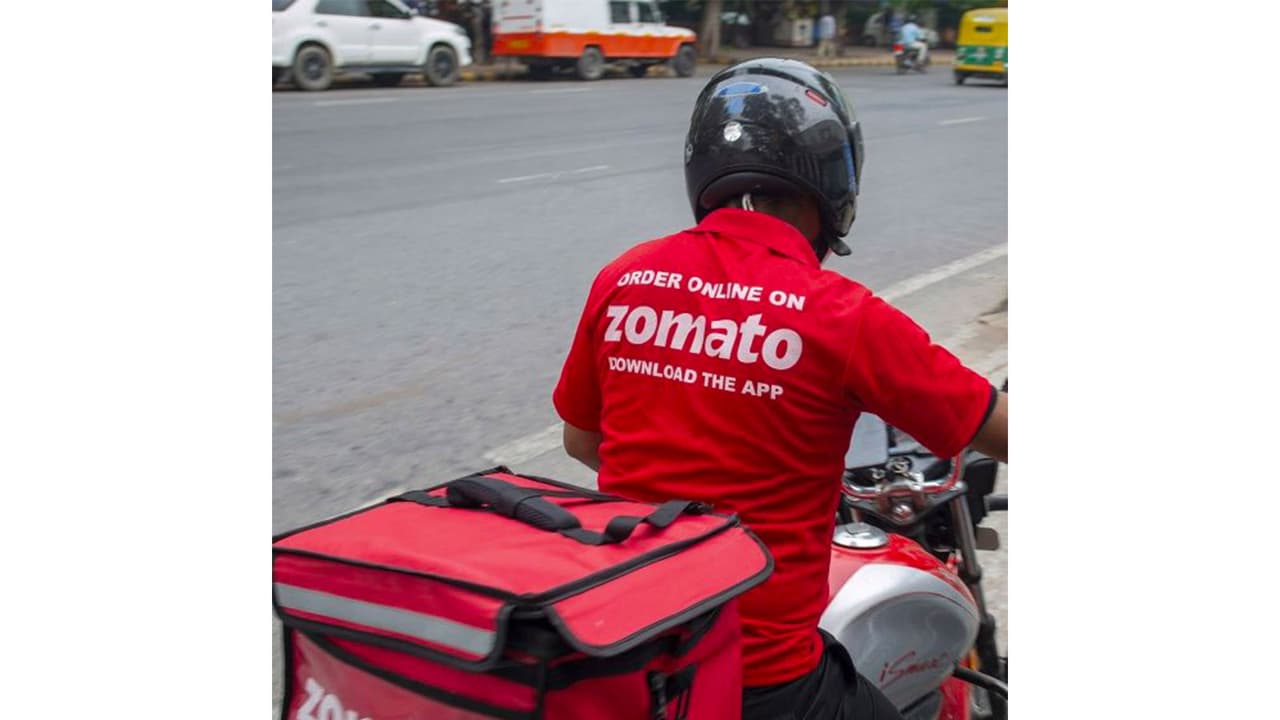
India's quick commerce market is set to grow at 40% YoY, twice the pace of overall digital commerce, reaching INR 1.08 lakh crore by 2026, according to an Equirus report. This growth is driven by investments in dark stores and rapid delivery.
Quick Commerce Growth Trajectory
India's quick commerce segment is set to remain the fastest-growing part of the country's digital retail market in 2026, expanding at more than twice the pace of overall digital commerce as companies continue to invest in dark-store networks and rapid delivery infrastructure, according to an Equirus report.
"India's digital commerce market is estimated at INR 8 lakh crore in 2026, with quick commerce at INR 1.08 lakh crore growing at 40% YoY - over 2x the pace of overall digital commerce," the report said.
Infrastructure Expansion and Consumer Trends
The report noted that the combined dark-store networks of Blinkit, Instamart and Zepto expanded to 5,026 locations in May 2026, up from 3,405 a year earlier, highlighting the sector's continued focus on expanding delivery capacity to meet rising consumer demand. Ice cream, beverages and face-care products emerged as the strongest seasonal gainers during the period.
Drivers of Digital Adoption
Going forward, Equirus expects digital channels to remain a key driver of India's retail sector, supported by resilient consumer spending, increasing adoption in Tier-II and Tier-III cities, and rising household incomes.
The report said digitalisation and financing partnerships are reshaping retail channels and supporting demand for discretionary and durable products, although growth may become more selective.
Economic Risks and Industry Response
The report, however, cautioned that consumer demand could face pressure from weather-related risks. India recorded a 46 per cent rainfall deficit between June 4 and June 22, making the month one of the driest in more than a century.
A below-normal monsoon and food inflation could weigh on rural incomes and FMCG demand, with industry estimates suggesting FMCG volume growth may remain capped at 3-4 per cent if inflationary pressures persist.
At the same time, consumer packaged goods companies are responding through price reductions and product innovation to revive volumes and encourage higher spending on essential categories, the report added. (ANI)
(Except for the headline, this story has not been edited by Asianetnews Editorial staff and is published from a syndicated feed.)