
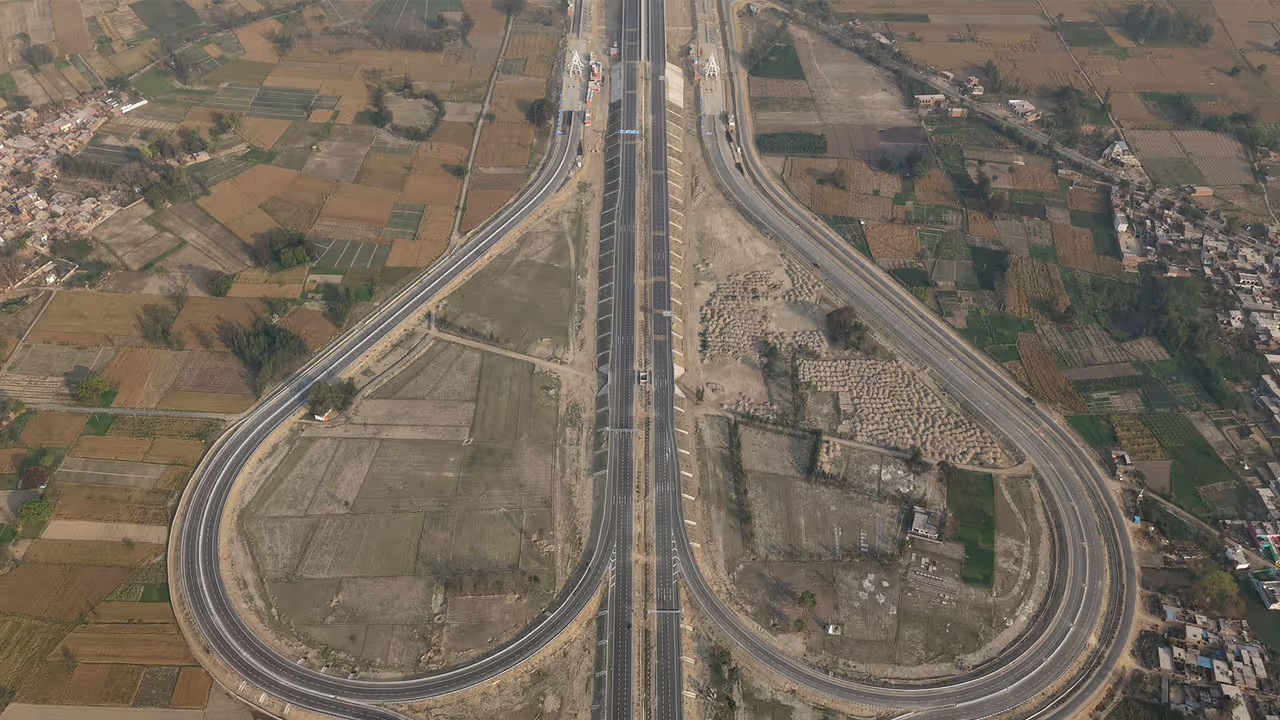
PM Modi inaugurated the 594-km Ganga Expressway in Uttar Pradesh. The Adani Group executed 464 km of the project, which connects Meerut to Prayagraj. It's expected to boost UP's GDP, create jobs, and cut travel time significantly.
Prime Minister Narendra Modi on Wednesday inaugurated the 594-km Ganga Expressway, one of India's largest greenfield infrastructure projects, with the Adani Group playing a dominant role in its execution, underscoring private sector participation in nation-building aligned with the Viksit Bharat vision.
The six-lane access-controlled expressway, expandable to eight lanes, connects Meerut in western Uttar Pradesh to Prayagraj in the east and has been completed in under three-and-a-half years.
Project Development and Key Players
Developed under a public-private partnership model by the Uttar Pradesh Expressways Industrial Development Authority (UPEIDA), the project reflects growing confidence in long-term mobility and freight demand, with private players assuming traffic and revenue risks.
Adani Road Transport Limited (ARTL), a subsidiary of Adani Enterprises Ltd, executed nearly 80 per cent of the project--around 464 km--making it the principal contributor to the corridor's development. The remaining 130 km was developed by IRB Infrastructure.
Economic Impact and Job Creation
The expressway is expected to significantly enhance logistics efficiency, reduce transit time, and lower costs across supply chains.
According to state government estimates, it could generate annual logistics savings of Rs 25,000-30,000 crore, contribute over Rs 1 lakh crore to Uttar Pradesh's GDP, and create approximately three lakh jobs over the next decade.
The project is a key step towards reducing India's logistics costs to single digits, improving freight velocity, and strengthening the country's competitiveness.
Connectivity and Strategic Features
The corridor integrates key industrial clusters, agricultural zones, defence manufacturing hubs, and logistics networks, boosting multimodal connectivity.
Safety and Military Use
Highlighting safety and strategic features, the expressway is equipped with AI-enabled camera systems to provide real-time alerts and improve road safety. Additionally, a 3.5-km Emergency Landing Facility has been developed in Shahjahanpur district for use by the Indian Air Force.
The project is expected to cut travel time between Prayagraj and Meerut from 11 hours to around six hours, while reducing fuel consumption by nearly 30 per cent.
The Ganga Expressway will connect 12 districts and over 500 villages, benefiting more than 8 crore people.
It is also expected to give a major boost to industrial corridors and spiritual tourism, linking key destinations such as Garhmukteshwar and Triveni Sangam.
The Government of Uttar Pradesh is establishing 11 industrial corridors across all 12 districts.
A Model for Future Infrastructure Growth
The project highlights the increasing role of private capital in accelerating India's infrastructure growth and supporting the government's long-term economic vision.
(Except for the headline, this story has not been edited by Asianet Newsable English staff and is published from a syndicated feed.)