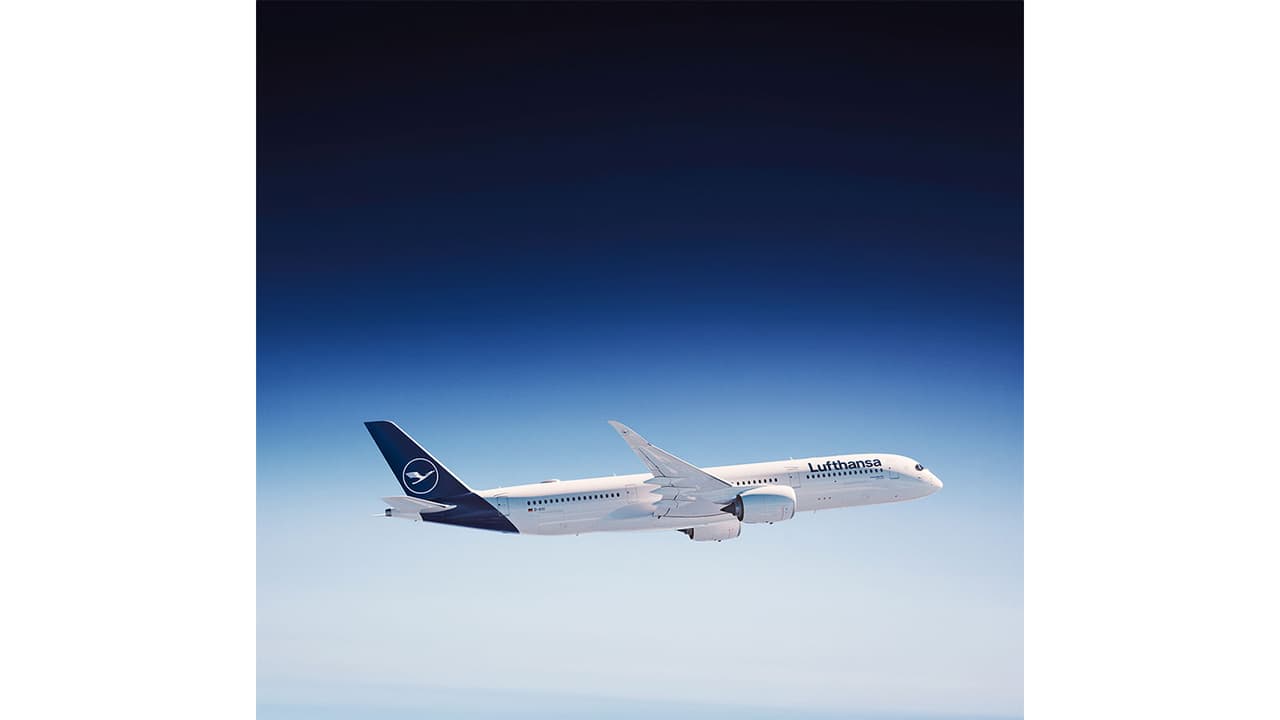
Lufthansa Group is optimizing its summer flight schedule, cutting unprofitable routes due to soaring fuel costs and geopolitical uncertainty stemming from the West Asia crisis. The move aims to maintain efficiency amid market fluctuations.
Germany's flag carrier Lufthansa Group has announced a calibrated optimisation of its summer flight schedule across its six major hubs, citing a volatile operating environment marked by surging fuel costs and geopolitical uncertainty, according to an official press release. The airline said capacity will be marginally reduced, by less than one percent in available seat kilometres, through the cancellation of unprofitable routes, particularly at its Frankfurt and Munich hubs, while selectively expanding services in Zurich, Vienna and Brussels as part of a network rebalancing strategy.
Fuel Crisis and Geopolitical Uncertainty Drive Changes
The move comes against the backdrop of a sharp escalation in crude oil prices triggered by the ongoing West Asia crisis, which has significantly inflated jet fuel costs for global carriers. Disruptions linked to the conflict, including constraints around key supply routes, have pushed Brent crude above $100 per barrel and driven jet fuel prices sharply higher, forcing airlines worldwide to reassess capacity and pricing strategies.Fuel accounts for up to one-third of airline operating expenses, making carriers particularly vulnerable to oil price volatility.The airline, in its statement, emphasised that the optimisation exercise is aimed at maintaining efficiency amid "short-term changes and market fluctuations," with flexibility to cancel routes or redeploy aircraft depending on demand patterns and cost dynamics.
Industry-Wide Rationalisation
Industry-wide, several carriers in Europe and beyond have already announced capacity cuts, grounding of older aircraft, and route rationalisation as the fuel crisis deepens.Lufthansa itself has reportedly scaled back flights and retired less efficient aircraft in a bid to conserve fuel and contain costs.
Global Oil Supply Disruption
The West Asia crisis has disrupted global oil supply chains, particularly via the Strait of Hormuz, a critical chokepoint for energy shipments, thereby exacerbating supply constraints and driving up prices.
Summer Demand Remains Strong Amid Headwinds
Despite these headwinds, Lufthansa said demand for travel remains robust for the summer season, although higher ticket prices linked to fuel costs could temper growth going forward.The airline added that it continues to monitor developments closely and will adjust its network dynamically in response to evolving market conditions.(Except for the headline, this story has not been edited by Asianet Newsable English staff and is published from a syndicated feed.)
Stay updated with all the latest Business News, including market trends, Share Market News, stock updates, taxation, IPOs, banking, finance, real estate, savings, and investments. Track daily Gold Price changes, updates on DA Hike, and the latest developments on the 8th Pay Commission. Get in-depth analysis, expert opinions, and real-time updates to make informed financial decisions. Download the Asianet News Official App from the Android Play Store and iPhone App Store to stay ahead in business.