
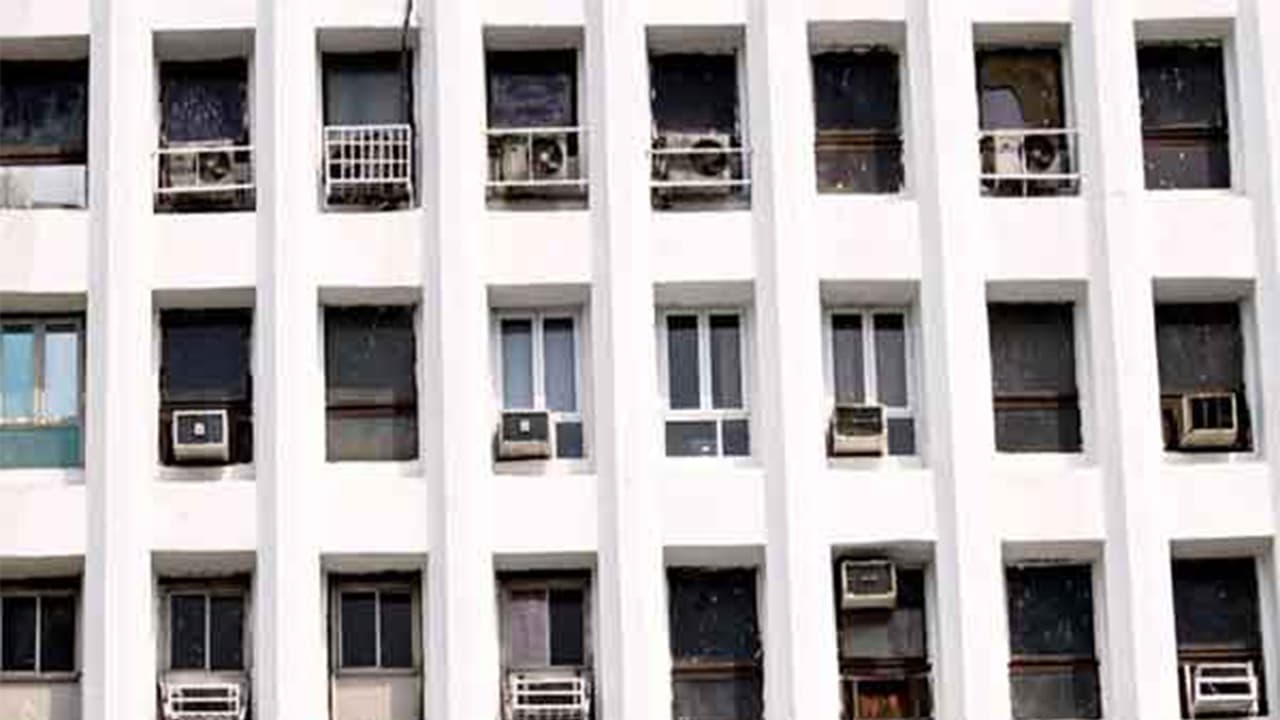
An LPG shortage is disrupting Indian AC manufacturing ahead of summer, forcing a switch to costly alternatives like oxy-acetylene. This, along with other pressures, has led to price hikes of 5-10% for consumers, according to a Nuvama report.
LPG Shortage Disrupts AC Production
Indian air conditioner manufacturers face a significant production hurdle as a tightening supply of Liquefied Petroleum Gas (LPG) disrupts key manufacturing processes across the country. Ongoing geopolitical tensions and supply-chain bottlenecks have led the government to prioritise household LPG consumption, leaving commercial users and Electronic Manufacturing Services (EMS) firms to grapple with a shrinking pool of available fuel.

This shortage is hitting the consumer durables sector at a critical time as the industry prepares for the peak summer demand, as per a Nuvama report. Manufacturers rely heavily on LPG for heat exchanger brazing, a process widely considered the most efficient method for building air conditioning units.
Shift to Oxy-Acetylene Presents New Risks
According to the report, this disruption is particularly severe for firms that cannot easily pivot to other energy sources. Major industry players have transitioned to using oxy-acetylene for brazing to keep assembly lines moving. However, this shift comes with its own set of vulnerabilities. Oxy-acetylene production depends on crude-linked feedstock or limestone, both of which are heavily import-dependent. The report highlights that 94 per cent of India's limestone imports originate from the Middle East, making this alternative fuel sensitive to global trade fluctuations and further supply risks.
Industry Faces Multiple Headwinds
These fuel challenges coincide with a broader array of headwinds for the cooling industry. After a lacklustre summer in 2025, firms now deal with unseasonal rains in Northern India that have softened consumer momentum in recent weeks. To combat rising input costs, brands have implemented price hikes ranging from 5 to 10 per cent at the end-customer level.
Price Hikes and Financial Pressures Mount
The report notes that "oxy-acetylene is aiding continuity in production temporarily, albeit at higher costs." The financial strain is visible as LG Electronics India (LGEIL) announced a "10% price hike for RACs across all SKUs and 5% across other categories." This move follows a previous price increase of approximately 9 to 10 per cent for room air conditioners since January 2026. Financial pressures continue to mount due to the depreciation of the Indian Rupee and the transition to new star rating regulations, which ramp up compliance costs. The report suggests that the combination of cost inflation and rating-related changes requires total price hikes between 8 and 14 per cent.
While brands expect to post modest revenue growth in the fourth quarter of the 2026 fiscal year, EMS players face significant challenges regarding both their revenue and margins. "Nonetheless, we believe brands are likely to post modest revenue growth in Q4FY26 with decent margins while EMS players could face challenges on both fronts," the report noted. (ANI)
(Except for the headline, this story has not been edited by Asianet Newsable English staff and is published from a syndicated feed.)