
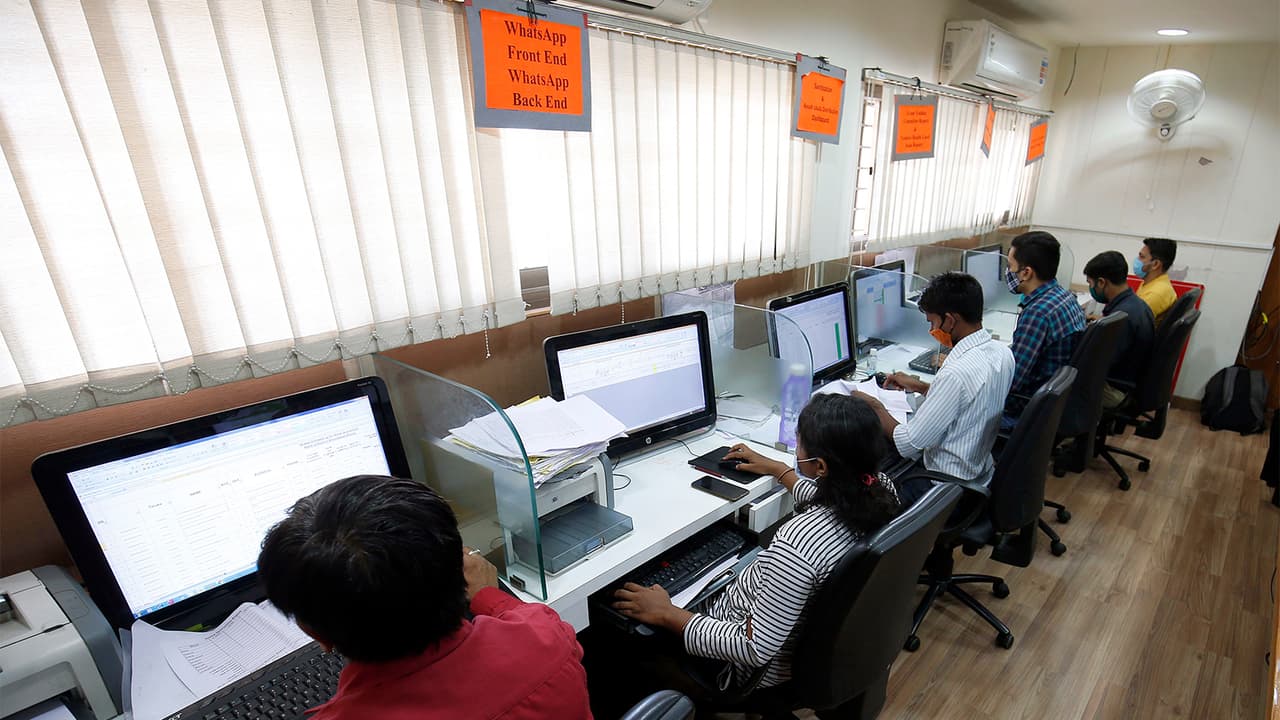
A Cushman & Wakefield report states over 100 Japanese companies have expanded their Global Capability Centres in India. The focus is shifting from cost-cutting to high-value innovation in AI, engineering, and cybersecurity, driven by India's STEM talent.
More than 100 Japanese companies have established or expanded their Global Capability Centres (GCCs) in India, with operations increasingly shifting towards artificial intelligence (AI), engineering, product development and cybersecurity, according to a report by real estate services firm Cushman & Wakefield.
A Strategic Shift Beyond Cost-Cutting
The shift marks a move beyond traditional back-office support and cost reduction towards higher-value technology and innovation activities, as Japanese companies seek specialised talent and capabilities to support their global businesses, the report said.
Japanese GCCs are increasingly functioning as centres of excellence for digital product development, AI and automation, advanced analytics, cybersecurity and engineering solutions. These centres are also becoming more closely integrated into global business operations and decision-making.
“This is no longer a story of outsourcing,” said Arpita Srivastava, Managing Director, APAC Tenant Representation & GCC Advisory at Cushman & Wakefield. “Japanese companies are not coming to India simply to reduce costs. They are building strategic capability centres that create business value, drive innovation and support global transformation initiatives,” she said.
India's Talent and Ecosystem as Key Drivers
The report identified rising demand for digital and engineering talent among Japanese enterprises, India's large science, technology, engineering and mathematics (STEM) talent pool, and the country's business and infrastructure ecosystem as key factors supporting the expansion.
India produces an estimated 2.5 million to 2.8 million STEM graduates annually, according to the report. It also highlighted the availability of office infrastructure, technology clusters and an established investment ecosystem as factors supporting the development of these centres.
Geographic Focus and Real Estate Opportunities
Bengaluru, Hyderabad and Pune remain key destinations for Japanese GCCs, while companies are increasingly exploring emerging talent markets to access specialised skills and support future expansion.
The development is also creating opportunities in commercial real estate, with Japanese capital contributing to office campuses, technology parks and real estate platforms that support India's innovation ecosystem, the report said.
Future Outlook and Next Phase of Growth
Srivastava said companies were increasingly focused on how quickly they could scale their strategic capabilities in India rather than whether to establish such centres.
“Over the next decade, we expect Japanese companies to play an even greater role in the evolution of India's GCC ecosystem, while India will become an increasingly important source of innovation for Japanese enterprises,” she said.
The next phase of growth is expected to be driven by AI, engineering, innovation and collaboration between Indian operations and Japanese businesses, according to Cushman & Wakefield. (ANI)
(Except for the headline, this story has not been edited by Asianet Newsable English staff and is published from a syndicated feed.)