
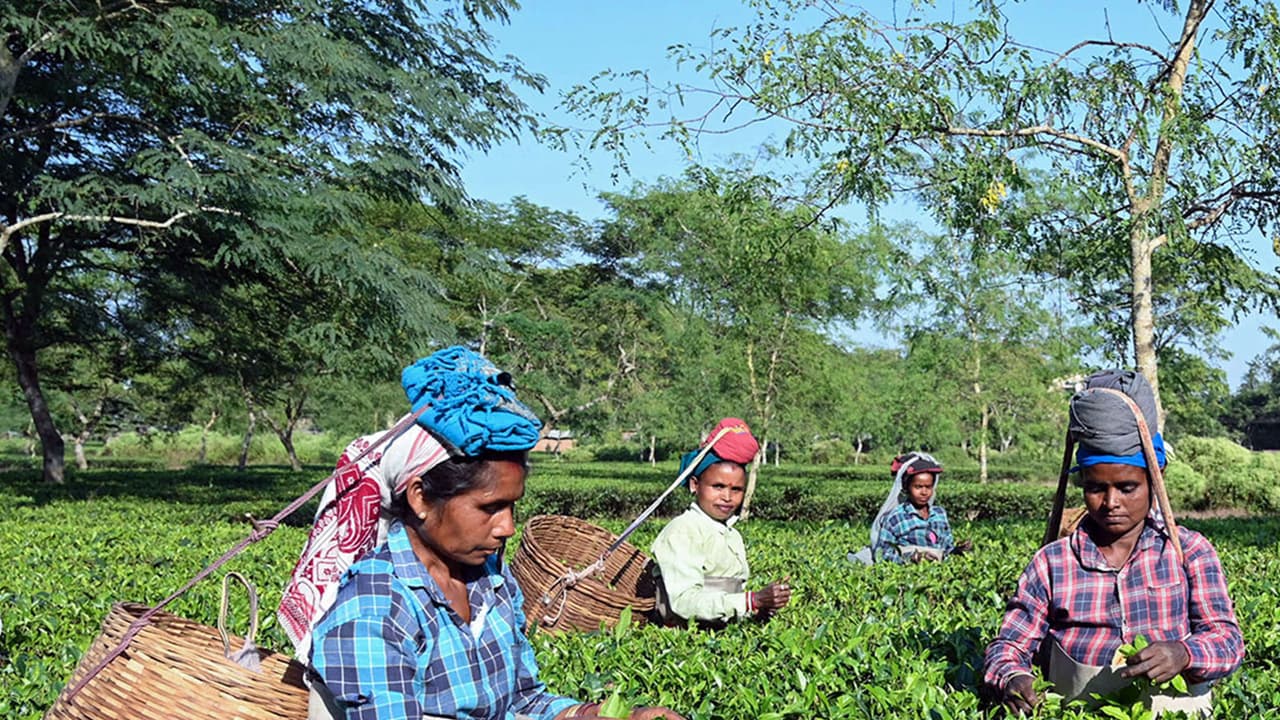
India's tea export sector recorded a substantial 93% growth, with valuation reaching Rs 8,719 crore in the 2025-26 fiscal year from Rs 4,509 crore in 2013-14. Union Minister Piyush Goyal shared the milestone on International Tea Day.
India's tea export sector recorded a substantial 93 per cent growth, reaching a valuation of Rs 8,719 crore during the 2025-26 fiscal year compared to Rs 4,509 crore in 2013-14. This increase highlights the strengthening presence of Indian tea varieties across international markets.
Piyush Goyal Celebrates on International Tea Day
On the occasion of International Tea Day today, Union Minister for Commerce and Industry Piyush Goyal shared the country's financial milestone on social media platform "X", detailing the country's diverse tea-producing regions and their unique market characteristics. "Tea is an emotion. And on #InternationalTeaDay, there cannot be a better way to describe it! Across India, tea is more than just a beverage, it is a part of everyday life, conversations & traditions," Minister Goyal stated on X.
In a thread of tweets, Goyal showcased India's diverse tea varieties shaped by its region by sharing infographics for each. "In this thread, explore some of India's diverse tea varieties, each shaped by its region, unique taste & the legacy it carries," Goyal added.
Regional Diversity Drives Global Expansion
The growth in export revenue aligns with a broader recognition of India's regional tea varieties, many of which carry Geographical Indication (GI) tags that protect their distinct regional profiles. Production spans across traditional hubs and expanding cultivation areas, including specific regions like Dooars-Terai, which produces a heavy-flavoured tea grown amidst rich flora and fauna. Cultivation has also extended to states such as Tripura, Bihar, Karnataka, Arunachal Pradesh, Uttarakhand, Manipur, Mizoram, Meghalaya, and Nagaland.
"From the hills of Darjeeling to the valleys of Assam and the plantations of the Nilgiris, every region brings its own distinct flavour, aroma & character to a cup of tea!" Goyal stated.
Profiles of Key Indian Teas
The infographics showed that global expansion relies heavily on these regional characteristics. Darjeeling tea remains recognized for its delicate 'muscatel' flavour, fine aroma, and exquisite bouquet, while Assam tea maintains its market position through its full-bodied, strong, and malty character featuring a brownish coppery brightness.
"Over the years, Indian tea has also strengthened its presence across global markets, driven by improving quality standards & the continued efforts of @TeaBoardOfIndia to showcase the richness of India's tea heritage to the world," Goyal added.
In Southern India, Nilgiri tea contributes to the export basket with its characteristically fragrant, aromatic profile featuring high tones of delicate floral notes. Similarly, Kangra valley in the north produces distinct black and green teas. Sikkim tea offeres a light, flowery, golden yellow, and delicate flavour profile to international buyers. (ANI)
(Except for the headline, this story has not been edited by Asianet Newsable English staff and is published from a syndicated feed.)