
India's startup ecosystem has transformed into the world's third largest, with over 110 unicorns. Leaders credit government initiatives like Startup India for fostering a mindset shift from job seekers to job creators, supported by a payment revolution.
Industry leaders observe that India's startup ecosystem has undergone a significant transformation, evolving from a nascent stage to becoming the third largest in the world. This growth is characterized by a massive increase in the number of unicorns and a shift in the national mindset regarding entrepreneurship. Representatives from various sectors attribute this evolution to strategic government initiatives and a vision that encourages the youth to transition from job seekers to job creators.
From Nascent to Nation of Startups
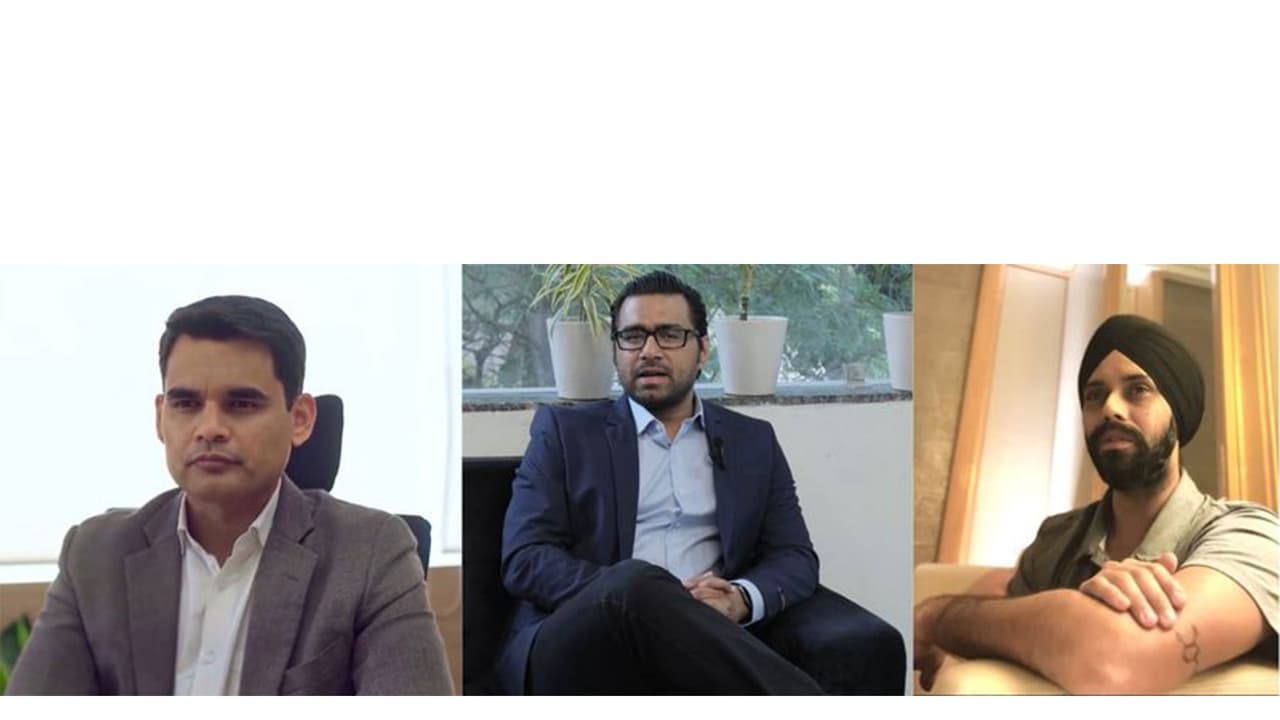
Abhiraj Singh Bhal, Co-Founder and CEO of Urban Company, states that the ecosystem was very nascent eight years ago, with only one or two unicorns and a handful of startups. He notes that the landscape has changed tremendously since then. Bhal says, "Today we have over 110 unicorns and tens of thousands of startups across sectors." He credits a significant part of this growth to the vision of making India a startup nation, specifically mentioning the Startup India and Stand Up India programs launched after 2014. As a member of the National Startup Advisory Council, Bhal highlights that the government works on policy changes, early-stage funding, and unlocking domestic capital to involve states more deeply in building accelerator programs. The impact of these initiatives is also reflected in the increased faith of the common man in starting new businesses.
The Startup India Mission's Impact
Bharat Sethi, Founder of Rage Coffee, recalls the inauguration of the Startup India mission in 2016 at Vigyan Bhawan as an event that captured significant attention. He observes that while few could sense the coming changes at the time, the country has since seen a rise in startup growth rates and support for MSMEs. Sethi says, "I feel our entire startup growth has come on the back of the Startup India mission." He emphasizes that the payment revolution, especially during recent years, has further supported this trajectory, encouraging young entrepreneurs to remain in India and build for the local population.
Inspiring a Return to India
The personal resonance of this movement has influenced many professionals to return to India to pursue entrepreneurial goals. Harsimarbir Singh, Co-Founder of Pristyn Care, shares that witnessing the energy and positivity surrounding the nation's leadership even from abroad prompted him to return. He explains that after several failed attempts at building startups while living in Canada, a single speech of the PM drove him to pack his bags and come back to India. Singh mentions that many of his peers have made similar choices, noting that the current environment addresses challenges directly.
Proactive Governance and Investment
Singh further points to the proactive approach taken in the semiconductor industry as an example of this startup-like quality within the government. He states that instead of sitting around during a global shortage, India decided to invest significantly in the ecosystem and capability. Singh notes, "I think we've invested like 20, 30 billion dollars. And in the next few years, we might be actually self-sufficient in semiconductors." (ANI)
(Except for the headline, this story has not been edited by Asianet Newsable English staff and is published from a syndicated feed.)