
Rural internet subscribers in India rose to 48.31 per 100 population in 2025-26, the government said. Average fixed broadband download speed reached 60.85 Mbps under the National Broadband Mission 2.0, said Minister Jyotiraditya Scindia.
Rural internet penetration in India improved during 2025-26, with the number of rural internet subscribers rising to 48.31 per 100 population from 45.03, the government informed Parliament on Wednesday.
In a written reply to a question in the Lok Sabha, Communications Minister Jyotiraditya M. Scindia said under the National Broadband Mission (NBM) 2.0, the national average fixed broadband download speed reached 60.85 Mbps as of March 31, 2026, while broadband connectivity to anchor institutions, including schools, Primary Health Centres, Anganwadis and Panchayat offices, increased to 21,82,312 connections. NBM 2.0 launched on January 17, 2025 and effective from April 1, 2025, aims to accelerate the expansion of digital communications infrastructure, bridge the digital and socio-economic divide, and ensure high-speed broadband connectivity across the country.
BharatNet Programme Expansion
The minister said the amended programme provides for optical fibre connectivity to around 2.65 lakh Gram Panchayats and approximately 3.8 lakh non-Gram Panchayat villages on a demand basis, besides incentives for 1.5 crore rural fibre connections. "Under the Amended BharatNet Programme, provision has been made for optical fibre connectivity to approximately 2.65 lakh Gram Panchayats (GPs) and approximately 3.8 lakh nonGP villages on demand basis, across the country." the reply said.
As of June 2026, 43,908 km of optical fibre cable had been laid and 13,494 Gram Panchayats upgraded under the amended BharatNet programme.
Boosting Rural Connectivity
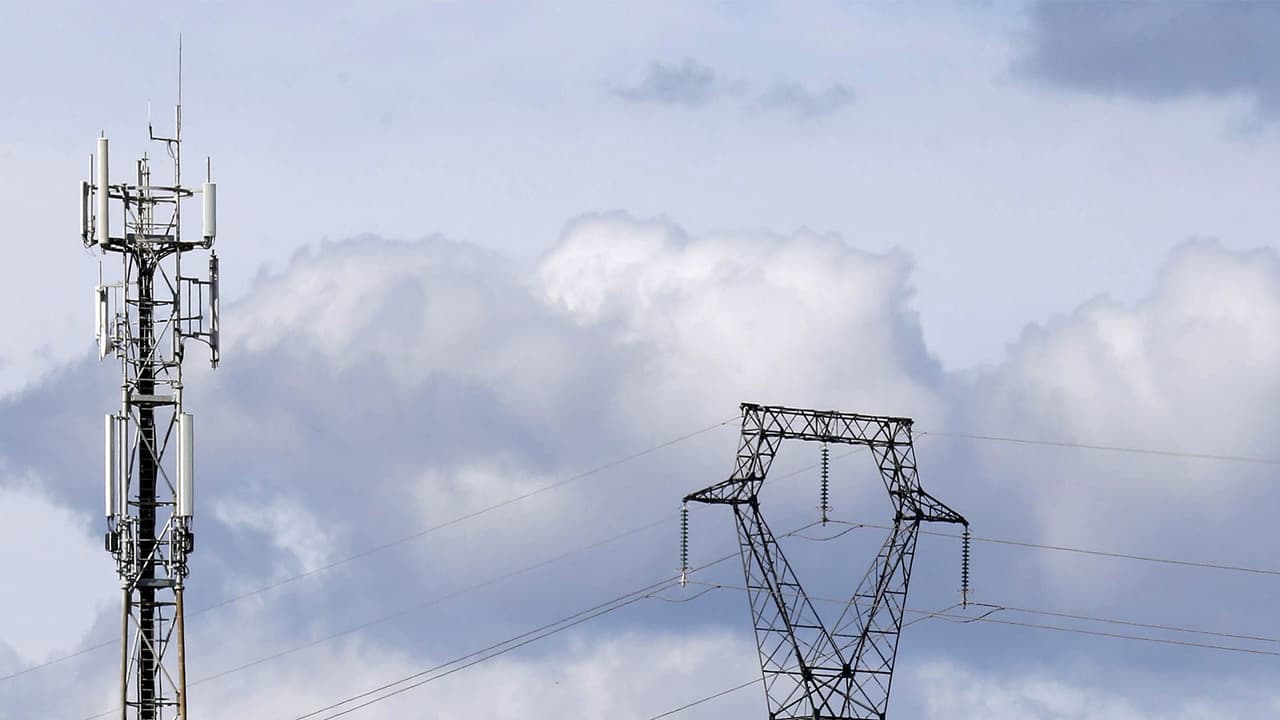
The government said BharatNet, mobile tower installation schemes, including the 4G Saturation Project, and other Digital Bharat Nidhi-funded initiatives are aimed at strengthening broadband infrastructure and improving telecom connectivity in rural, remote, forested and uncovered areas across the country.
Improving Efficiency and Sustainability
The reply added average time taken to dispose of Right of Way (RoW) applications declined sharply from 80.63 days in 2024-25 to 35.62 days in 2025-26, while the use of sustainable energy in mobile towers increased from 8 per cent to 11.44 per cent during the same period.
The government also said all 36 States and Union Territories are now live on the centralised portal for Right of Way applications, ensuring nationwide adoption of a uniform digital platform for processing and granting permissions. (ANI)
(Except for the headline, this story has not been edited by Asianetnews Editorial staff and is published from a syndicated feed.)