
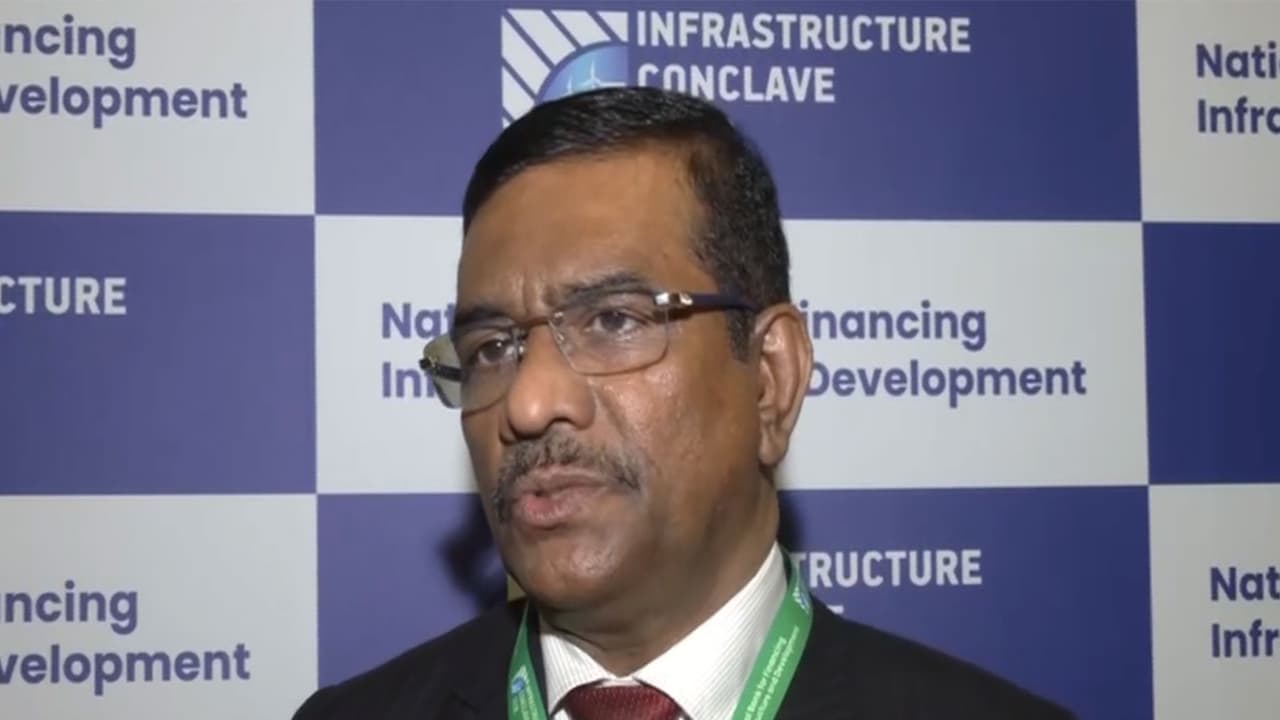
NaBFID MD Rajkiran Rai G says India's infrastructure sector is adjusting to global rate hikes, with the higher cost of funds largely factored into markets. He noted the impact is reflected in bond markets and that the cost of funds will go up.
India’s infrastructure sector is adjusting to the global rise in interest rates, with the higher cost of funds largely factored into markets, said Rajkiran Rai G, Managing Director of the National Bank for Financing Infrastructure and Development (NaBFID). Speaking to ANI on the sidelines of NaBFID’s Infrastructure Conclave 2026 in Mumbai on Thursday, Rai said interest rates are moving upwards, which will increase the cost of funds, but the impact of global policy changes has already been reflected in bond markets.
“Where the Fed rate hike actually is, it is mostly factored in if you see the bond behaviour. We are on an upward interest rate cycle... but it is clearly visible that the cost of funds is going to go up,” Rai said.
Bank Liquidity and Credit Growth
On bank liquidity and credit growth, Rai said FCNR(B) deposits have provided support to commercial banks at a time when credit demand has remained strong. He said banks had seen credit growth of around 14-15 per cent, while deposit growth was only about 9 per cent. However, deposit growth has now improved, helping address the liability-side pressure faced by banks.
“Their credit growth was around 14-15 per cent, while their deposit growth was barely 9 per cent. Now, I think deposit growth has caught up... this step of the Reserve Bank has solved the liability-side issues for the banks,” he said.
Project Execution and Disbursement Timelines
Rai also said the long execution period of infrastructure projects means that loan sanctions do not immediately translate into disbursements.
“Solar takes about 18 months of execution, roads take anywhere between 2 to 3 years, and data centres take 4 to 5 years,” he said. He explained that at NaBFID, it takes around six months from sanction to documentation, followed by an average of two years from documentation to disbursement.
Rai said NaBFID’s active loan book is expected to reach Rs 2 lakh crore by the end of the year, against a sanctioned pipeline of Rs 4.5 lakh crore.
Alternative Funding Sources
On alternative sources of funding, he highlighted the growing role of investment vehicles such as Infrastructure Investment Trusts (InvITs) and Real Estate Investment Trusts (REITs). He said alternative investment vehicles now manage more than Rs 7 lakh crore in assets under management.
Corporate Bond Market
On the corporate bond market, Rai said companies would shift from bank loans to bonds only if they get a significant cost advantage.
“If a corporate is borrowing at 8.5 per cent from a bank, only if they get money at 7 per cent or 7.5 per cent from the bond market will they move,” he said.
Currency Risks and Resilience
On currency risks, Rai said NaBFID remains well-hedged through the Reserve Bank of India’s 1.5 per cent swap window, which is available until December.
“We are an interconnected economy, so we cannot stay isolated... but we are more resilient than we were earlier,” Rai said, adding that the current global frictions are unlikely to continue for a long period and conditions are expected to return to normal. (ANI)
(Except for the headline, this story has not been edited by Asianet Newsable English staff and is published from a syndicated feed.)