
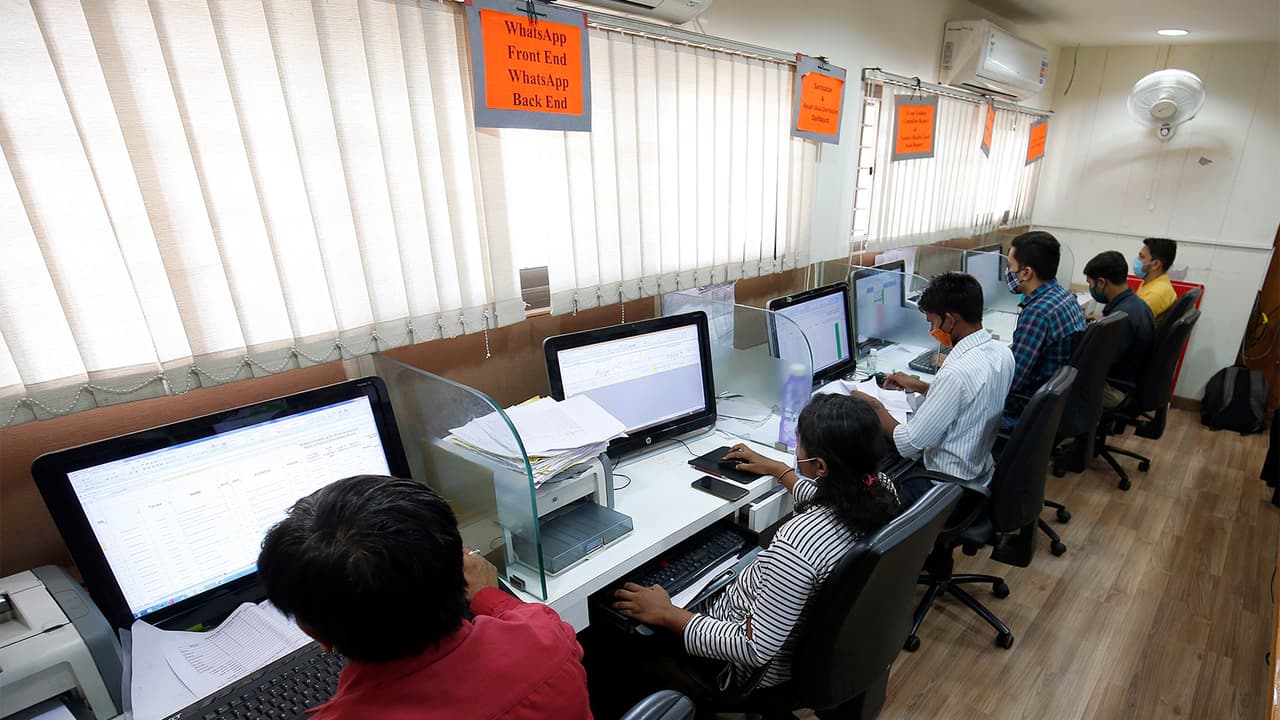
Talent shortages pose a strategic risk to India's GCC sector, with many reporting project delays and limits on AI scaling, a PwC-FICCI study finds. This is increasing costs and causing 11% of leaders to consider shifting mandates to other geographies.
Talent shortages are beginning to pose a strategic risk to India's global capability centre (GCC) sector, with 11 per cent of GCC leaders saying their global headquarters are actively evaluating or shifting mandates to competing geographies, according to a PwC India-FICCI study.
Impact of Widespread Skill Shortages
The report, based on a survey of 200 senior GCC executives across eight industries, said the impact of skill shortages is already visible in business operations. Nearly six in 10 GCCs, or 59 per cent, reported delays in product launches, project timelines or go-to-market plans, while 54 per cent said talent gaps were limiting their ability to scale AI and digital transformation programmes.
The shortage is also increasing costs and putting pressure on existing employees. About 56 per cent of GCCs reported greater dependence on external vendors or contractors at higher costs, while 49 per cent said skilled employees were facing higher attrition due to increased workloads. Another 45 per cent reported wage inflation significantly exceeding budget projections.
Call for Decisive Action and Investment
The report said the issue is becoming more important as GCCs take on higher-value global responsibilities. More than 85 per cent of GCCs expect their operating mandates to expand across technology leadership, strategic ownership and additional capabilities by 2030, while one in five is targeting global profit-and-loss responsibility.
"India's leadership in the global GCC landscape cannot be taken for granted," the report said, noting that other countries are strengthening their talent ecosystems and competing for the same high-value opportunities.
Eight in 10 GCCs believe decisive action is needed within the next 12 months to strengthen capabilities across workforce, managerial and leadership levels. Talent investment budgets, currently typically around 3 per cent of operating budgets, may need to double to at least 6 per cent to build capabilities for the AI era. About 94 per cent of leaders said they need to invest at least 6 per cent, while 27 per cent expect investments to exceed 8 per cent.
Proposed Solutions and Future Vision
Looking ahead, the report identified industry-designed GCC-ready certification standards as the most widely supported intervention, with 53 per cent of respondents backing them. AI centres of excellence and AI-powered learning platforms followed at 51 per cent, while 48 per cent supported cross-GCC executive AI leadership academies.
The report said GCCs that build AI-ready leaders, composite-skilled workforces and stronger talent ecosystems can move from centres of execution to centres of influence, driving innovation and shaping global business strategy. (ANI)
(Except for the headline, this story has not been edited by Asianetnews Editorial staff and is published from a syndicated feed.)