
India's EV charging infrastructure has seen a significant improvement, with the vehicle-to-charger ratio narrowing from 1:250 to 1:175 in a year. The country now has over 52,700 chargers for 9 million EVs, according to BMW India.
India's electric vehicle charging infrastructure has registered a marked improvement over the past year, narrowing the gap between the number of EVs on the road and available charging points, according to BMW India and government data.
Significant Improvement in EV Charging Ratio
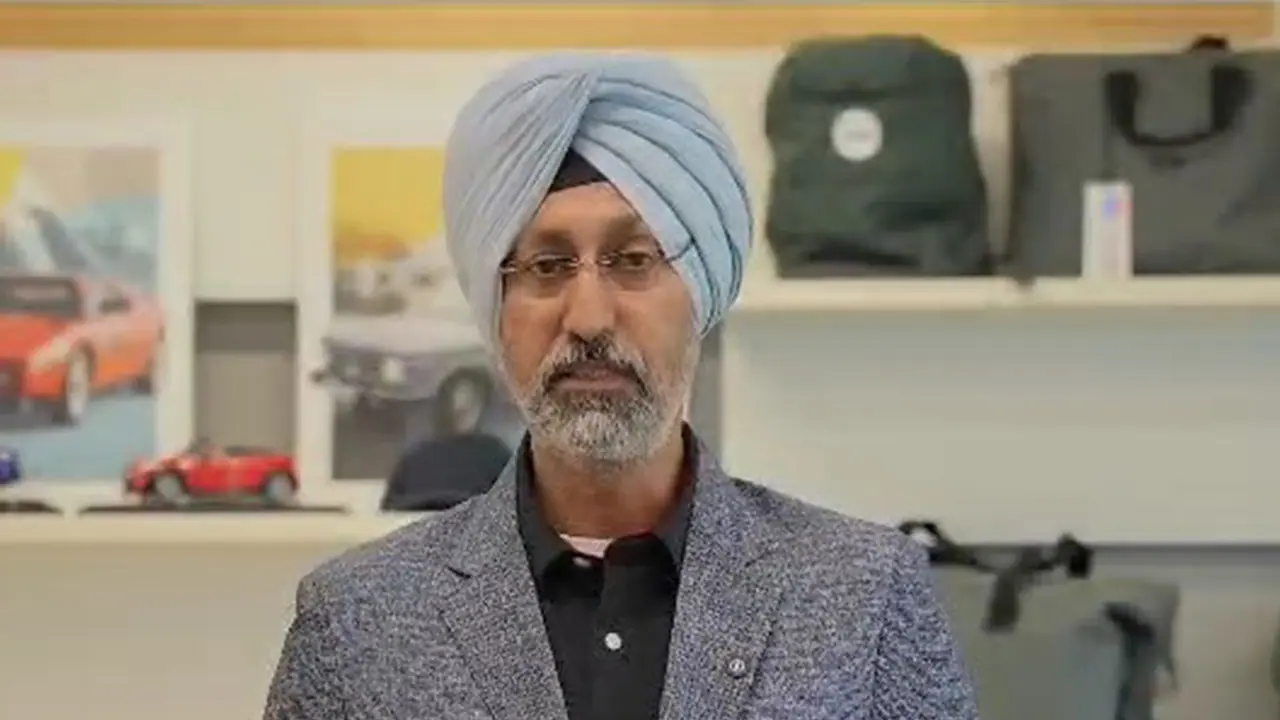
Hardeep Singh Brar, President & CEO of BMW Group India, highlighted the scale of the transformation and said, "I remember about a year back when I was speaking at one of the EV forums. I spoke about having about 7.5 million EVs on the roads and about 30,000 charging infrastructure. That makes a ratio of one to 250, which means 250 vehicles have one charger," Brar said. He noted that this figure stood in stark contrast to developed EV markets such as China and Norway, where the vehicle-to-charger ratio is close to one in 20. "But I'm very glad to know today that we have crossed 52,700 chargers in India against 9 million vehicles on roads. Now that makes it a ratio of one is to 175," Brar said, describing the shift from 1:250 to 1:175 within a year as "a very, very significant improvement."
Government Push and Policy Support
The comments come days after the government confirmed in Parliament that India now has 52,718 public charging stations operational nationwide, of which 16,561 are fast chargers. Minister of State for Heavy Industries Bhupathiraju Srinivasa Varma, responding to a query in the Lok Sabha, said the expansion was aimed at easing range anxiety among EV users and was being driven by funding under the FAME-II and PM E-DRIVE schemes with allocations of Rs 912.50 crore and Rs 2,000 crore respectively, focused on cities and major highways.
The Ministry of Power has also rolled out its "Guidelines for Installation and Operation of Electric Vehicle Charging Infrastructure 2024," aimed at standardising a connected, interoperable charging network and enabling battery swapping. The absence of a licensing requirement for setting up charging stations has further encouraged private investment in the sector.
Brar credited this collective push for the improved numbers. "So my congratulations to the government, to OEMs, to the charge point operators, and a lot of fuel companies which are venturing into the charging infrastructure. So that's a huge progress, and the government investment of 750 crores in the last budget is cherry on the top, which is giving a lot of impetus to this movement," he said, urging stakeholders to "keep the momentum going."
Future Outlook and Global Comparison
Industry observers say the steady rise in charging density, combined with continued policy support, could accelerate EV adoption further in the coming years, though India's charger-to-vehicle ratio still trails well behind global leaders in electric mobility. (ANI)
(Except for the headline, this story has not been edited by Asianetnews Editorial staff and is published from a syndicated feed.)