
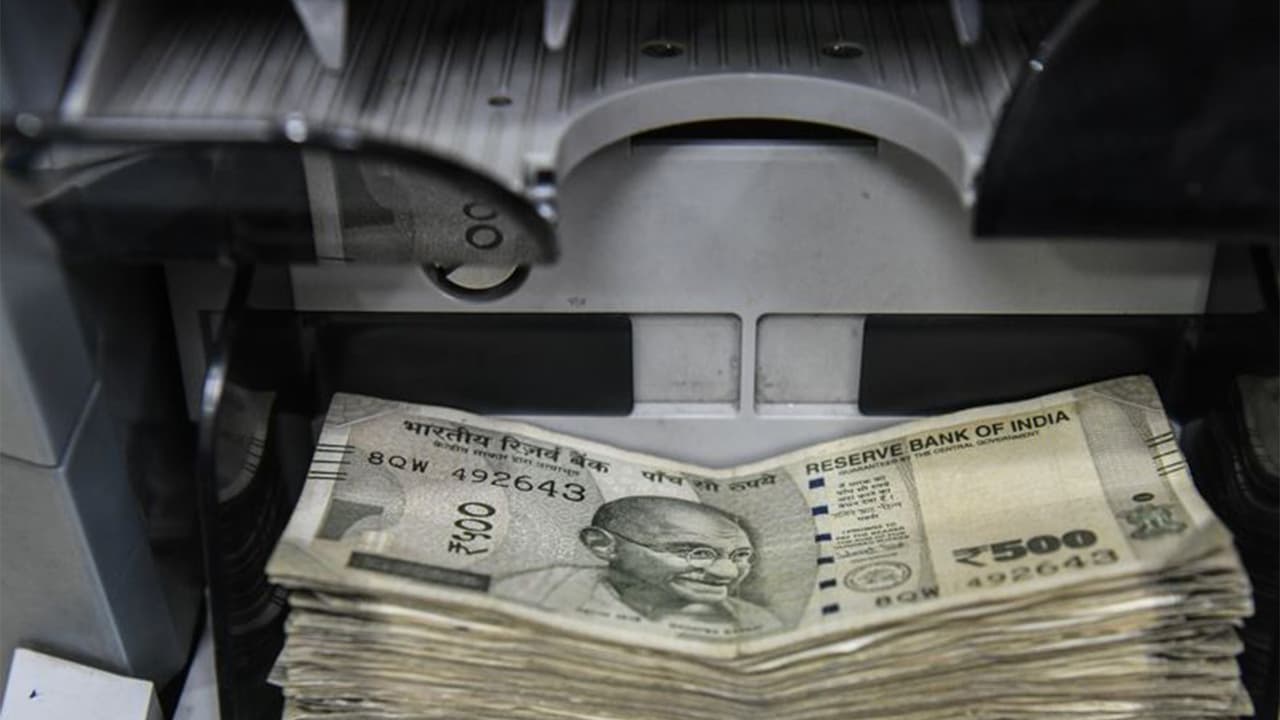
India's benchmark 10-year bond yield rose to 7.40% after the RBI announced liquidity withdrawal measures, including raising the daily CRR maintenance to 99%. Experts warn this could tighten liquidity, increase borrowing costs, and impact credit growth.
India's benchmark 10-year government bond yield surged 10 basis points to 7.40 per cent on Monday following the Reserve Bank of India's (RBI) liquidity withdrawal measures.
As per market experts, tighter banking system liquidity and rising borrowing costs could keep bond yields elevated and weigh on credit growth and interest-sensitive sectors.
Details of RBI's Liquidity Measures
The apex bank has increased the minimum daily Cash Reserve Ratio (CRR) maintenance requirement for scheduled banks to 99 per cent from the existing 90 per cent, effective from the fortnight beginning October 16, 2026.
The decision, announced in a notification issued by the RBI on Friday, follows a review of prevailing liquidity conditions.
Under the revised framework, scheduled banks will have to maintain at least 99 per cent of their prescribed CRR on each day during the reporting fortnight, compared with the earlier minimum of 90 per cent.
Currently, banks are permitted to maintain a minimum of 90 per cent of their required CRR on individual days during a reporting fortnight, provided that the average of the daily balances does not fall below the CRR prescribed by the central bank.
Expert Commentary on Market Impact
Ajit Mishra, SVP, Research, Religare Broking, noted, “The sharp rise in the 10-year bond yield to 7.40% reflects market concerns over the RBI’s liquidity withdrawal measures, which could tighten banking system liquidity and push up short-term funding costs.”
He further added, while the move is aimed at managing surplus liquidity, it may put upward pressure on borrowing costs, bond prices and interest-sensitive sectors.
“The market will now watch the RBI’s liquidity management closely for its implications on credit growth and the broader interest-rate outlook,” he said.
On the other hand, Rajeev Radhakrishnan, CFA, CIO, Fixed Income & Head of Research (Fixed Income) SBI Mutual Fund, added, “The additional RBI actions including the OMO was anticipated to create a negative market reaction.”
“With sell buy swaps possibly taking a backseat and additional liquidity absorption through OMO sales a distinct possibility until the full alignment of WACR with repo rate happens more durably,” he further added. (ANI)
(Except for the headline, this story has not been edited by Asianetnews Editorial staff and is published from a syndicated feed.)