
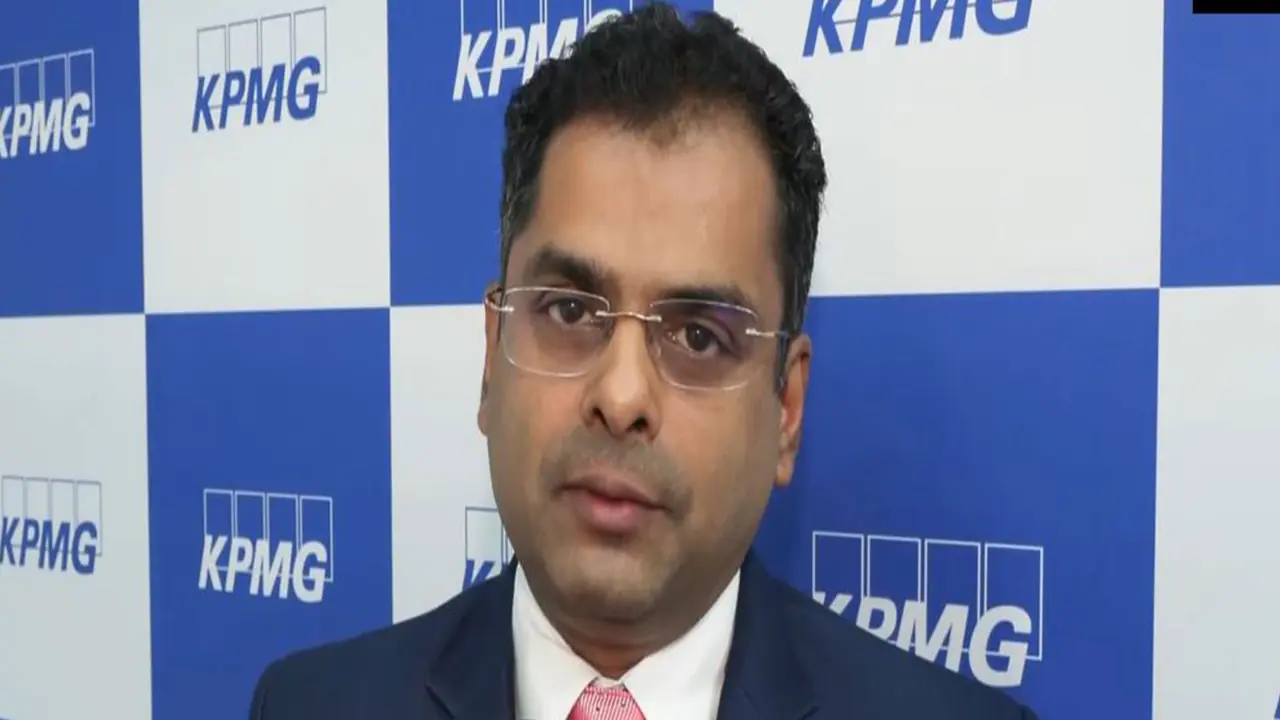
KPMG's Purushothaman KG stated India must capitalize on physical AI by boosting domestic manufacturing of AI devices. He highlighted India's 90-95% import dependency on tech products, urging for indigenous development to seize new opportunities.
Embracing Physical AI to Boost Domestic Manufacturing
India needs to seize the emerging opportunities in physical artificial intelligence (AI) and strengthen domestic manufacturing of AI-enabled devices to reduce its heavy dependence on imports for several technology products, Purushothaman KG, National AI Leader and Head of Technology Transformation at KPMG in India, said.
Speaking exclusively to ANI on the sidelines of India Mobile Congress 2026 in New Delhi, Purushothaman said the next phase of AI growth would extend beyond digital applications to physical devices and systems, opening up new opportunities for Indian manufacturers to develop and produce indigenous technology solutions. "The future is going to be not only digital AI but also physical AI. When it comes to physical AI, there are large investments happening around the world, and India needs to seize that opportunity," he said.
Reducing Reliance on Imports
Highlighting India's dependence on imported technology products, he said devices such as Internet of Things (IoT) equipment, cameras and computer vision systems offered significant opportunities for domestic manufacturing, particularly as demand for AI-enabled hardware and connected devices continues to grow. Referring to these areas, he said that "90 to 95 per cent of the current usage is from imports," pointing to the potential for India to strengthen local production and develop indigenous alternatives to imported products.
Shifting from Services to Indigenous Product Development
His remarks come as India seeks to expand domestic technology manufacturing and move beyond its traditional strength in software and IT services, with AI creating demand for new types of connected devices and equipment.
Purushothaman said India was already making this transition, supported by government policies and incentives aimed at strengthening local production. "India has now moved away from just being a service provider, being an expert in providing services and software, to owning and indigenously creating and developing these solutions, including products," he said. He also highlighted initiatives such as the telecom production-linked incentive (PLI) scheme and the proposed telecom manufacturing zone as measures aimed at encouraging domestic manufacturing.
Telecom Industry's Expansion and Future
On the broader telecom industry, Purushothaman said operators were increasingly expanding beyond consumer services into enterprise solutions, including data centres, healthcare, financial technology and digital transformation.
The Road to 6G
Looking ahead, he indicated that the rollout of sixth-generation (6G) telecom infrastructure could take place around 2029-30 or later, as existing 5G networks need time to mature. "For the entire infrastructure and spectrum rollout, I think the timelines are anywhere after 2029-30," he said.
He added that translating 6G guidelines into commercial products would require further development of network architecture, hardware, equipment and embedded software. Purushothaman said India's growing capabilities in telecom technology, equipment and indigenous solutions positioned the industry for further expansion in the coming years. (ANI)
(Except for the headline, this story has not been edited by Asianetnews Editorial staff and is published from a syndicated feed.)