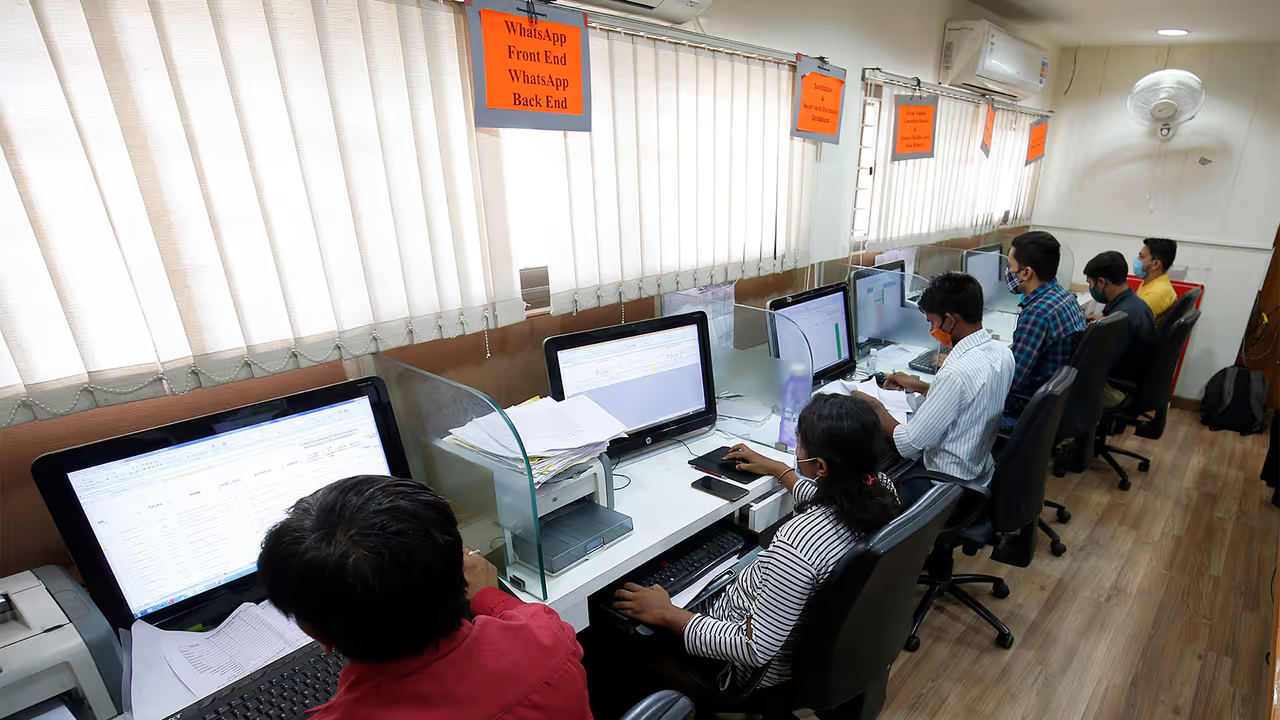
Hybrid work is driving global productivity through improved talent retention and recruitment. Companies using flexible models gain a competitive edge by accessing wider talent pools and leveraging AI to boost operational efficiency and growth.
Hybrid Work as a Strategic Business Driver
Hybrid working has emerged as a key strategy for businesses to attract and retain skilled employees, with improved talent retention alone potentially generating productivity gains worth USD 204.7 billion in the US and 10.8 billion pounds in the UK over five years, according to a new analysis by International Workplace Group (IWG) and Arup.
The analysis highlighted that workplace flexibility is increasingly becoming a competitive advantage for employers, enabling them to attract specialised talent, reduce employee turnover and preserve institutional knowledge, while improving organisational productivity.
Impact on Talent Retention and Recruitment
According to the research, 81 per cent of Chief Human Resources Officers (CHROs) consider hybrid working critical to retaining top talent, while 86 per cent identify flexible working as the most in-demand benefit among prospective employees. The trend is also evident in India, where 88 per cent of employers consider the ability to work remotely important for employee retention, according to the Cisco Global Hybrid Work Study 2025.
"Hybrid working is now the most common strategy being used to compete for the best tech talent (37 per cent), ahead of competitive pay (35 per cent)," the analysis stated, highlighting the growing importance of flexibility in recruitment. Nearly three-fourths of business leaders, or 72 per cent, said offering hybrid or flexible working arrangements was key to attracting younger leaders. Further, 78 per cent believed organisations offering such arrangements had a clear advantage over those that did not.
Operational Efficiency and Knowledge Preservation
The report noted that flexible working models enable businesses to access a wider pool of candidates by removing geographical barriers, while helping them build more efficient operating structures. Employee retention emerged as the largest contributor to potential productivity gains, with the analysis estimating that reducing staff turnover could help businesses avoid annual losses of up to USD 40.9 billion in gross value added (GVA) in the US and 2.2 billion pounds in the UK.
The report also underlined the importance of retaining experienced employees to preserve organisational expertise and prevent disruptions caused by the loss of institutional knowledge. Reducing knowledge-related disruption could generate productivity gains of USD 65.5 billion in the US and 5.7 billion pounds in the UK over five years, while improved talent attraction could contribute another USD 98.3 billion and 6.5 billion pounds, respectively.
The Role of Artificial Intelligence
The findings also pointed to the growing role of artificial intelligence (AI) in enhancing the benefits of hybrid working. Around 80 per cent of CEOs said combining AI with hybrid working increased employee productivity, while approximately 60 per cent of US workers and 68 per cent of UK workers said AI was already improving their hybrid work experience.
Christian Schmitz, CEO of International Workplace Group, said retaining experienced employees, accessing a broader talent pool and providing flexibility could significantly improve business productivity. "Technology is making that opportunity even greater. AI is changing how and where work gets done, while more flexible ways of working give businesses access to people wherever they are. Together, they can help companies build more agile, productive organisations," Schmitz said.
Harsh Lambah, Country Head India at International Workplace Group, said India's highly competitive talent market was prompting businesses to reconsider workplace flexibility. "While all companies compete for specialised talent, the ability to offer greater choice in where and how people work can become an important advantage in attracting and retaining the right skills," Lambah said. He added that flexibility was increasingly becoming a strategic consideration for employers seeking to build productive, resilient and talent-rich organisations.
The report's findings position hybrid working as a business strategy that extends beyond employee benefits, with potential implications for talent management, operational resilience and long-term productivity.
(Except for the headline, this story has not been edited by Asianetnews Editorial staff and is published from a syndicated feed.)