
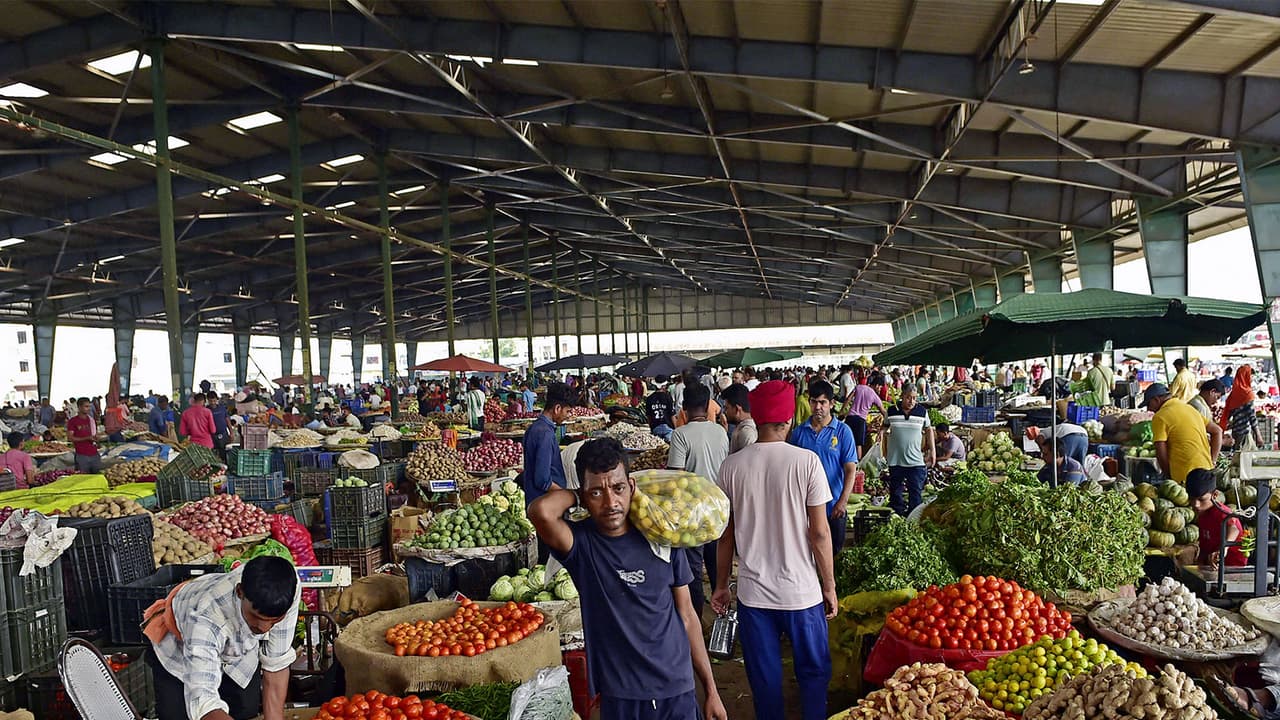
JM Financial expects a shallow RBI rate hike cycle of 50-75 bps due to persistent food inflation and high crude oil prices. The report stresses the need for supply-side interventions as inflation is projected to rise in the Oct-Dec quarter.
Persistent food inflation and elevated crude oil prices are likely to determine the extent of further interest rate hikes by the Reserve Bank of India (RBI), with the monetary tightening cycle expected to remain shallow at 50-75 basis points, according to a research report by domestic brokerage firm JM Financial.
In its latest research report, the brokerage said timely supply-side interventions would be crucial to prevent food price pressures from spreading across the economy, particularly as inflation is expected to rise further in the October-December quarter of the current financial year. “At this juncture, we continue to expect a shallow rate hike cycle (50–75bps),” JM Financial said, adding that the trajectory of crude oil prices would determine the extent of further rate increases.
Inflation Breakdown and Contributing Factors
Retail inflation rose to 5.54 per cent in September from 4.82 per cent in August, marking its highest level since November 2024. Food inflation remained the primary driver for the fifth consecutive month, rising to 7.7 per cent, with prices increasing 1.3 per cent month-on-month.
JM Financial said inflation averaged 4.9 per cent in the July-September quarter of FY27, in line with the RBI's expectations. However, it expects inflation to rise to 6 per cent in the October-December quarter before easing to 5.7 per cent in the January-March quarter.
The brokerage highlighted that deficient rainfall, depleted reservoir levels and weaker kharif sowing could intensify food inflationary pressures, particularly in rural India. Pan-India rainfall was 13 per cent below the long-period average as of September 30, while kharif sowing declined 1.1 per cent as of October 2.
Policy Responses and Broader Concerns
The brokerage warned that food price pressures need to be closely monitored to prevent them from spreading across the economy. “Despite frontloading of rate hike by the RBI in Oct’26, timely supply intervention should be used to curb food inflation,” the report said.
Core inflation, which excludes volatile food and fuel prices, rose to 4.39 per cent in September. Inflationary pressures also persisted in restaurants and processed food categories, with restaurant inflation remaining elevated for the sixth consecutive month, reflecting supply disruptions linked to the West Asia crisis.
JM Financial said that if crude oil prices remain elevated for a sustained period, the government should evaluate fiscal measures to attract foreign institutional investor flows. It also expects the RBI to continue draining excess liquidity from the banking system until overnight call rates align with the repo rate.
The brokerage further flagged the possibility of El Nino conditions persisting until February 2027, alongside depleted reservoir levels, raising concerns about agricultural output and potential spillovers into the next monsoon season. These risks could keep food inflation under pressure and influence the RBI's monetary policy decisions in the coming months.
(ANI)
(Except for the headline, this story has not been edited by Asianetnews Editorial staff and is published from a syndicated feed.)