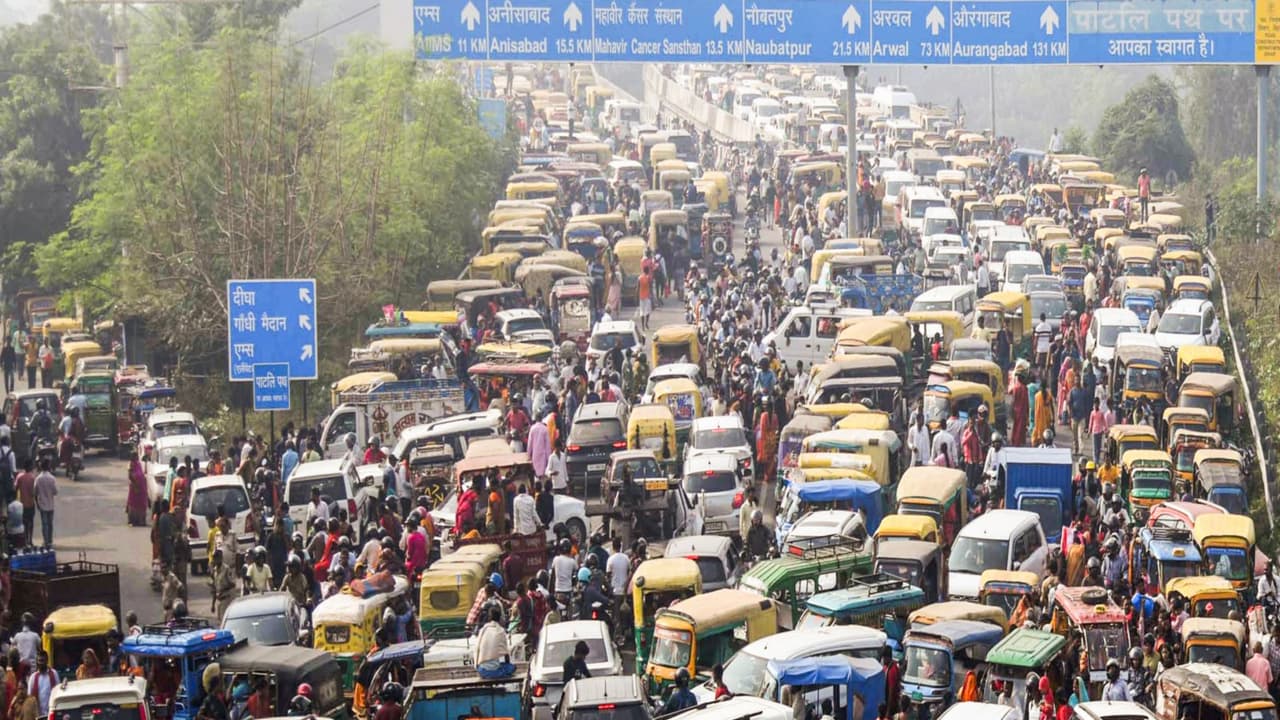
An Emkay report projects India’s 2-wheeler and commercial vehicle sectors to surpass passenger vehicles in FY27, citing strong demand and pricing flexibility. Retail sales for 2Ws, CVs, and PVs show robust growth, while tractor volumes have declined.
India’s two-wheeler and commercial vehicle segments are expected to outperform passenger vehicles amid strong demand, supported by better pricing flexibility even as commodity cost pressures rise and new passenger vehicle launches remain limited in FY27 as per a report by Emkay.The report noted that India’s auto industry, excluding tractors, recorded steady growth, with select original equipment manufacturers (OEMs) outperforming across segments. Commercial vehicle (CV) and passenger vehicle (PV) growth remained broad-based, while retail momentum remained strong across segments. “Growth for CVs and PVs remained broad-based. Retail momentum also sustained across segments,” it said.
Segment-wise Sales Performance
Two-wheeler (2W) retail sales maintained strong momentum, rising 33 per cent year-on-year, compared with 22 per cent in H2FY26, 29 per cent in July and 21 per cent in August 2026, the report noted.Likewise, passenger vehicle (PV) sales also recorded strong growth across original equipment manufacturers (OEMs), led by Maruti Suzuki India Limited (MSIL), which posted 30 per cent year-on-year growth in domestic sales.Similarly, medium and heavy commercial vehicle (MHCV) retail sales maintained strong momentum, rising 50 per cent year-on-year, compared with 30 per cent in July and 29 per cent in August 2026.
Tractor Sales Decline
Tractor volumes, however, declined across manufacturers, with Escorts and Mahindra & Mahindra (M&M) reporting year-on-year falls of about 17 per cent and 21 per cent, respectively.
Market Outlook and Key Factors
At the same time, Emkay noted in its report, while overall vehicle volumes remained healthy, year-on-year growth appeared softer due to the timing of the festive season, with Diwali falling in November 2026 compared with October 2025, and a high September 2025 base following purchase deferments in August after the Goods and Services Tax (GST) cut.“Amid strong momentum in underlying demand, we favor 2W and CV OEMs over PVs, given a similar demand trajectory but better pricing flexibility amid commodity pressures and a limited new-PV-model launch pipeline in FY27,” it said.(Except for the headline, this story has not been edited by Asianet Newsable English staff and is published from a syndicated feed.)
Stay updated with all the latest Business News, including market trends, Share Market News, stock updates, taxation, IPOs, banking, finance, real estate, savings, and investments. Track daily Gold Price changes, updates on DA Hike, and the latest developments on the 8th Pay Commission. Get in-depth analysis, expert opinions, and real-time updates to make informed financial decisions. Download the Asianet News Official App from the Android Play Store and iPhone App Store to stay ahead in business.