Thermal Shock: The Hidden Dangers of Instant Cooling After Heat, Read Details!
Synopsis
We all love blasting the AC or gulping down ice water after coming in from the scorching heat. But this habit can trigger a dangerous 'thermal shock'. This sudden temperature drop can shrink your blood vessels, spike your BP, and cause dizziness, nausea, or even a heart attack.
We all get hassled by the summer heat. The first thing we do after walking in from the sun is switch on the AC and grab a bottle of cold water from the fridge. It feels like heaven for a couple of minutes, but inside, your body is going through a storm. Doctors call this 'thermal shock'. The name might sound minor, but its effects can be deadly. Let's break down what it is, why it happens, and how you can stay safe.
What exactly is thermal shock and why does it happen?
Our body's internal thermostat is always trying to keep a steady temperature of around 36-37°C. When you're out in the sun, your body heats up to 39-40°C. To cool down, your blood vessels expand to release heat through sweat. Now, if you suddenly hit your body with a blast of cold air from an AC or icy water, these expanded vessels shrink rapidly. In medical terms, this is called Vasoconstriction. This sudden jolt is what we call thermal shock. Simply put, it's a cold shock to a hot body.
The 4 serious dangers of thermal shock
Many people dismiss thermal shock as a common cold or fever, but its consequences can be much more severe.
1. Heart & BP problems: When blood vessels suddenly get narrow, your blood pressure shoots up. For people who already have high BP or heart problems, this can multiply the risk of a heart attack or a brain stroke.
2. Impact on the brain: The sudden drop in blood flow to the brain can make you feel dizzy, nauseous, or see black spots. In some cases, you might even faint for a short while.
3. Muscle and nerve damage: You might get sudden, painful muscle cramps. Your nerves can also get affected, causing a tingling or 'pins and needles' feeling in your hands and feet.
4. Weakened immunity: This temperature shock weakens your body's defence system. That's why you often catch a cold, cough, sore throat, or fever after doing this.
Who is most at risk?
Thermal shock is bad for everyone, but for some people, it's extremely dangerous.
1. High BP & heart patients: Their blood vessels are already weak and can't handle the sudden shock of constriction.
2. Children & the elderly: Their bodies are not as good at regulating temperature, making them more vulnerable to falling sick.
3. Asthma & migraine patients: A blast of cold air or water can trigger breathing problems or a severe migraine attack.
4. Diabetics: They often have weaker nerves and might not feel the temperature change until it's too late.
'Summer and Winter Together': Viral Photo of AC Outdoor Unit Inside Room Leaves Internet in Splits
5 rules to stay safe after coming in from the heat
Don't risk your health for a moment of comfort. Following just a few simple rules can help you avoid thermal shock by 90%.
1. Rest for 5-10 minutes is a must: Don't switch on the AC the moment you enter. First, sit under a fan. Let the sweat dry and allow your body to cool down naturally.
2. Normal water, not ice water: To quench your thirst, avoid ice-cold water from the fridge. Drink water from an earthen pot (matka) or just normal room-temperature water. This cools your body from the inside out, safely.
3. Take a lukewarm shower: If you feel like bathing, first wipe yourself down with a towel soaked in lukewarm water. Wait for 10 minutes, then take a shower with cool (not cold) water. Never pour cold water directly over your hot body.
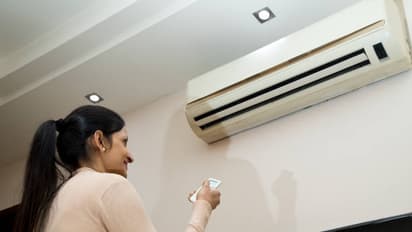
4. Keep the AC temperature at 24-26°C: If it's 40°C outside, setting your AC to 18°C creates a massive 22-degree shock. The temperature difference between the outside and inside should not be more than 5-6°C.
5. No direct airflow on your face: Don't let the AC blast hit your face, neck, or forehead directly. Use the swing mode to circulate the air around the room.
The final word
Remember the "3-3-3" rule. When you come home, rest for 3 minutes, drink 3 glasses of normal water, and then lower the AC temperature by 3 degrees at a time. This small precaution can save you from a heart attack, stroke, and thermal shock. Make sure you teach this simple rule to the elders and kids at home.
AC Helmets for Traffic Cops? Delhi and UP Police Try New Way to Beat 45°C Heat (WATCH)
Explore the latest Lifestyle NewsFood and RecipesHealth NewsAsianet News Official App