What is ischemic cerebrovascular accident stroke of brain? The disease Mithun Chakraborty is diagnosed with?
Synopsis
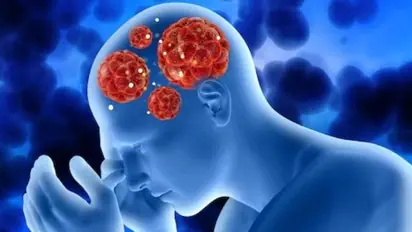
An Ischemic Cerebrovascular Accident (CVA), commonly known as a stroke, occurs when the blood supply to a part of the brain is blocked or reduced, leading to oxygen deprivation and damage to brain tissue.
An Ischemic Cerebrovascular Accident (CVA), commonly known as a stroke, occurs when the blood supply to a part of the brain is blocked or reduced, leading to oxygen deprivation and damage to brain tissue. Ischemic strokes account for the majority of all strokes and can have serious consequences if not treated promptly.
An ischemic stroke occurs when a blood clot, or thrombus, stops or plugs an artery leading to the brain. A blood clot frequently occurs in arteries that have been damaged by plaque development, a condition known as atherosclerosis. It can occur in the carotid artery in the neck, as well as in other vessels.
Causes
Ischemic strokes usually occur when a blood clot or plaque buildup in the blood vessels (arteries) supplying the brain obstructs or narrows the blood flow.
Common causes include atherosclerosis (hardening and narrowing of the arteries), blood clots originating from other parts of the body (emboli), or blockages within the brain's blood vessels.
Risk Factors
- Hypertension (high blood pressure)
- High cholesterol levels
- Smoking, Diabetes
- Obesity
- Sedentary lifestyle
- Family history of stroke, Age (risk increases with age)
- Previous history of stroke or transient ischemic attack (TIA, also known as a mini-stroke)
Symptoms
- Sudden onset of weakness or numbness, usually on one side of the body (face, arm, or leg)
- Difficulty speaking or understanding speech (aphasia)
- Confusion or trouble with comprehension or memory
- Trouble seeing in one or both eyes
- Severe headache with no known cause
- Loss of balance or coordination, dizziness, or difficulty walking (ataxia)
Diagnosis
Diagnosis of ischemic stroke usually involves a combination of physical examination, medical history review, and diagnostic tests such as:
- CT (computed tomography) scan or MRI (magnetic resonance imaging) of the brain
- Doppler ultrasound to assess blood flow in the carotid arteries
- Electrocardiogram (ECG or EKG) to check for abnormal heart rhythms
Treatment
Ischemic strokes require prompt medical attention to minimize brain damage and prevent complications. Treatment options include:
- Intravenous thrombolytic therapy (clot-busting medication) such as alteplase (tPA)
- Mechanical thrombectomy (surgical removal of the clot)
- Antiplatelet medications (e.g., aspirin) to prevent further clot formation
- Blood pressure management
- Rehabilitation therapy (physical therapy, occupational therapy, speech therapy) to regain lost functions and improve quality of life
- Early recognition of stroke symptoms and seeking immediate medical help are crucial for maximizing recovery and reducing the risk of disability or death associated with ischemic strokes.
Early recognition of stroke symptoms and seeking immediate medical help are crucial for maximizing recovery and reducing the risk of disability or death associated with ischemic strokes.
Explore the latest Lifestyle NewsFood and RecipesHealth NewsAsianet News Official App