Travel Diaries | Jeju Island – Hawaii of South Korea: Explore Volcanic Wonders, Stunning Beaches, Unique Culture

Synopsis
Explore Jeju Island, the Hawaii of South Korea, with volcanic wonders, stunning beaches, unique culture, and legendary Haenyeo. Discover top attractions, local food, and travel tips for Indian travellers.
Jeju Island, located off the southern coast of South Korea, is a volcanic island best known for its dramatic landscapes, pristine beaches, and Hallasan, the country’s tallest peak and a dormant volcano. With a culture shaped by centuries of maritime traditions and geographic isolation, Jeju was once an independent kingdom before becoming part of the Joseon Dynasty. Today, it is one of South Korea’s most popular destinations for both domestic and international travellers.
History of Jeju Island
Jeju’s history is as fascinating as its landscapes.
- Tamna Kingdom (up to 1105 CE):Jeju was once an independent kingdom called Tamna. Its people lived by fishing, farming, and maritime trade, developing a culture distinct from mainland Korea.
- Incorporation into Korea: In 1105, Tamna was annexed by the Goryeo Dynasty, and later integrated into the Joseon Dynasty. Even then, Jeju’s isolation allowed it to retain unique traditions. During the Joseon period, Jeju served as a place of exile for scholars, officials, and even royals, and later, under Japanese occupation (1910–1945), the island faced land exploitation and cultural suppression.
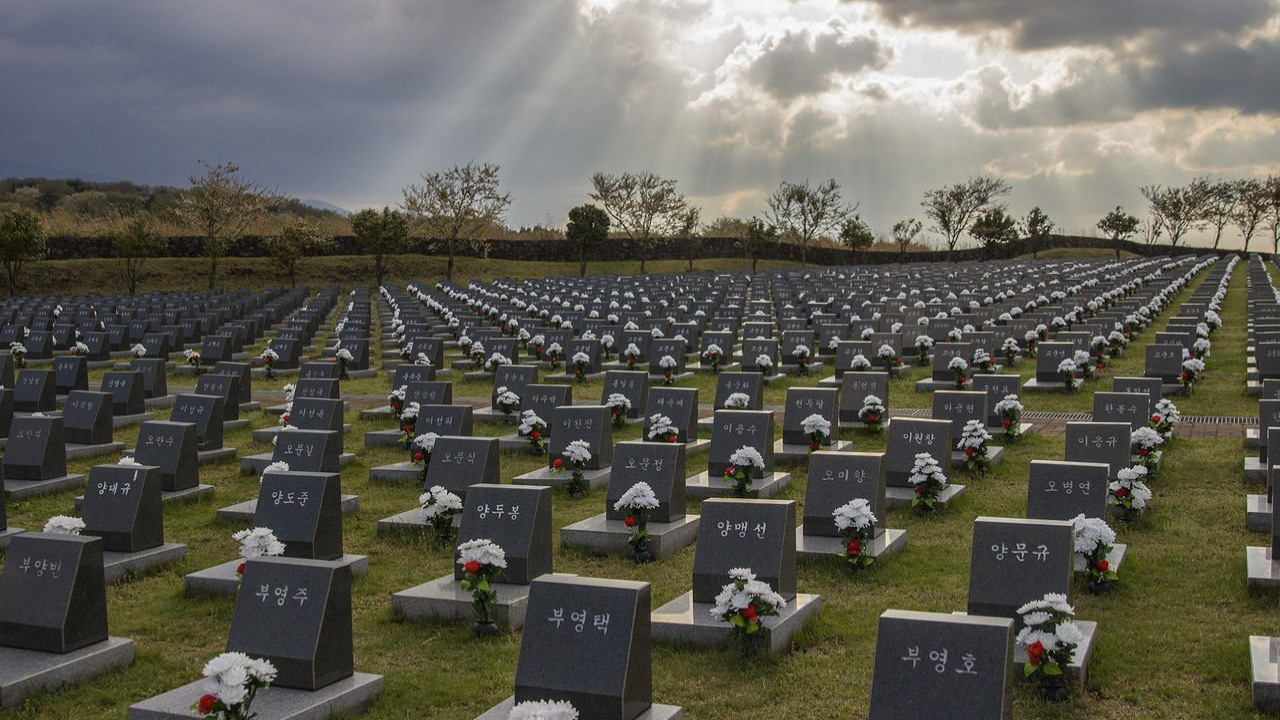
- April 3rd Uprising (1948): A tragic event in modern Jeju history, when local uprisings against government suppression led to mass casualties. Today, the April 3 Peace Park commemorates the victims, and after South Korea’s independence, Jeju developed into a hub of tourism.
Best Time to Visit Jeju Island
Jeju has something to offer year-round, but the ideal seasons are:
- Spring (March–May): Cherry blossoms and mild weather.
- Summer (June–August): Best for beaches, swimming, and water sports, though it can be crowded.
- Autumn (September–November): Crisp air, colourful landscapes, and great hiking weather.
- Winter (December–February): Less crowded, with snow-capped Hallasan for adventurous trekkers.

How Indians Can Travel to Jeju?
Flights: There are no direct flights from India to Jeju. Travellers usually fly into Seoul (Incheon or Gimpo Airport) or Busan, and then take a short domestic flight (about 1 hour) to Jeju. Tickets cost around $25–40 USD (₹2,000–3,500) on budget airlines like Jeju Air, T’way, or Jin Air.
Visa: Indians need a South Korea tourist visa to visit Jeju (unless arriving directly from abroad under Jeju-only entry, which isn’t common from India).
Connectivity: Multiple flights leave every day, making it easy to add Jeju to your Korea itinerary.
Top Places to Visit in Jeju
Hallasan (Mt. Halla): The highest mountain in South Korea; popular hiking destination.
Seongsan Ilchulbong (Sunrise Peak): UNESCO site, famous for its stunning sunrise views.
Manjanggul Lava Tube: One of the world’s largest lava caves, accessible for 1km.
Jusangjeollidae Cliffs: Unique volcanic rock formations along the coast.
Jeju Haenyeo Museum & Diver Show: Learn about the island’s legendary women divers.
Seongeup Folk Village: Preserved traditional village with thatched houses.
Dongmun Public Market: Lively night market for street food and souvenirs.
Jeju National Museum & Folklore Museum: Great for culture and history lovers.
Red Horse & White Horse Lighthouses: Quirky photo spots by the sea.
Oedolgae Rock & Fossil Shells of Seogwipo Formation: Scenic coastal sights.
Getting Around Jeju
- Car Rental: Best for flexibility, especially if you have an international driver’s license.
- Public Buses: Cheap and extensive, but slower due to lack of highways. Transit cards from mainland Korea work here too.
- Kakao Taxi: Convenient but more expensive, best for groups.
- Tourist Buses (Hop-on Hop-off): Operate in Jeju City and Seogwipo, covering major attractions.
Travel Tip: Use Naver Maps or Kakao Maps instead of Google Maps for navigation.
The Culture Of The Haenyeo
The haenyeo of Jeju are remarkable women who dive into the sea to harvest sea cucumbers, abalone, and seaweed without the aid of mechanical equipment such as oxygen tanks. Guided by the saying, “To spend in this life, I earn in the afterlife,” these divers risk their lives with every plunge into the ocean’s depths.
Their resilience extends beyond the sea, as many haenyeo return from diving to tend to fields and care for their families, balancing multiple demanding roles. Their way of life symbolises both hardship and strength, representing the enduring spirit of Jeju, a land that has flourished despite harsh conditions.
Where to Stay in Jeju?
Accommodation in Jeju caters to all kinds of travellers. Jeju City is the best choice for first-time visitors, with easy access to the airport, museums, and bustling markets. Those seeking natural beauty may prefer Seogwipo, which offers waterfalls, coastal scenery, and a more relaxed vibe. For honeymooners and families, beach resorts provide comfort and stunning ocean views, while budget travellers can find plenty of hostels and guesthouses, especially around Jeju City.
What to Eat in Jeju?
Jeju cuisine is fresh, flavourful, and heavily seafood-based. Must-try dishes include:
- Hallabong Tangerines: A local citrus fruit, often eaten fresh or as juice.
- Heuk Dwaeji (Jeju Black Pork): Grilled over charcoal, a signature dish.
- Haemultang (Seafood Hot Pot): Spicy stew with a mix of shellfish and fish.
- Abalone Dishes: From porridge to grilled abalone, it’s a delicacy.
- Fresh Seafood Platters: Ideal for sharing, especially at coastal markets.
Jeju Island offers more than just a mountain climb or beach dip. With its unique culture, volcanic landscapes, fresh cuisine, and friendly locals, it’s worth spending at least 3–5 days exploring both Jeju City and Seogwipo. Whether you’re a hiker, foodie, or culture lover, Jeju guarantees an unforgettable South Korean getaway.
Explore the latest Lifestyle NewsFood and RecipesHealth NewsAsianet News Official App