Travel Diaries | Everest Base Camp Trek – The Ultimate Journey to the Foot of the World’s Highest Mountain
Synopsis
Embark on the ultimate Everest Base Camp trek. Explore the Himalayas, Sherpa villages, Kala Patthar, and breathtaking snow-capped peaks. Complete guide with itinerary, permits, costs, gear, and tips for Indian trekkers.
The Everest Base Camp (EBC) trek is one of the most iconic and challenging treks in the world. Nestled in the heart of the Himalayas, it offers breathtaking views of snow-capped peaks, serene villages, and the rich Sherpa culture. Trekking to EBC is not just a physical journey but also a spiritual and emotional experience. The trail passes through Sagarmatha National Park, past high-altitude villages, and finally reaches the foot of the mighty Mount Everest, where you can witness the awe-inspiring Kala Patthar summit at over 18,000 feet above sea level.
Planning an EBC trek requires careful preparation, physical fitness, proper gear, and awareness of high-altitude risks. This guide covers a complete itinerary, essential tips, gear lists, permits, fitness recommendations, costs, and more to help you prepare for this unforgettable adventure.

Trek Itinerary: Day-By-Day Overview
Day 1: Kathmandu to Lukla to Monjo
Fly from Kathmandu to Lukla, one of the most thrilling flights in the world. From Lukla, trek to Monjo, a small village at the entrance of Sagarmatha National Park.
Day 2: Monjo to Namche Bazaar
The trek continues through rhododendron forests, suspension bridges, and picturesque villages, arriving at Namche Bazaar, the bustling Sherpa hub.
Day 3: Acclimatisation at Namche Bazaar
Take a rest day to acclimatise, explore the local market, and hike to nearby viewpoints for stunning views of Everest, Lhotse, and Ama Dablam.
Day 4: Namche Bazaar to Tengboche
Trek through pine forests and cross suspension bridges, reaching Tengboche, famous for its monastery and panoramic Himalayan vistas.
Day 5: Tengboche to Dingboche
The trail gradually climbs through forests and valleys, arriving at Dingboche, a high-altitude village perfect for acclimatisation.
Day 6: Acclimatisation at Dingboche
Spend a day resting and doing short hikes to adjust to the altitude, reducing the risk of Acute Mountain Sickness (AMS).
Day 7: Dingboche to Lobuche
Ascend steep trails with rugged terrain, passing moraine fields and small settlements, reaching Lobuche.
Day 8: Lobuche to Gorakshep
Trek to Gorakshep, the last stop before Everest Base Camp, surrounded by dramatic mountains and glaciers.
Day 9: Gorakshep to Pheriche
Retrace your steps, descending to Pheriche while enjoying the changing landscape.
Day 10: Pheriche to Tengboche
Continue descending through scenic villages and forests, back to Tengboche for an overnight stay.
Day 11: Tengboche to Namche Bazaar
Return to Namche Bazaar, giving trekkers a chance to relax, shop, and enjoy local cuisine.
Day 12: Namche Bazaar to Lukla
The final trek day takes you back to Lukla, where you can celebrate completing your trek before flying to Kathmandu.
How Indians Can Reach Everest Base Camp?
By Air: Direct flights are available from Indian cities to Kathmandu. From Kathmandu, fly to Lukla.
Via Ramechhap: Take a shared cab from Kathmandu to Ramechhap (approximately 4 hours), followed by a 20-minute flight to Lukla.
On Foot (Jiri Route): For experienced trekkers with extra time, trek 56 km from Jiri over 4–7 days to reach Lukla. Only recommended for highly fit and experienced trekkers.
Tentative Costs
- Flight Kathmandu to Lukla: ₹14,000–₹18,000 one way per person
- Shared cab to Ramechhap: ₹1,500–₹2,000
Accommodation and Food
- Where to Stay?
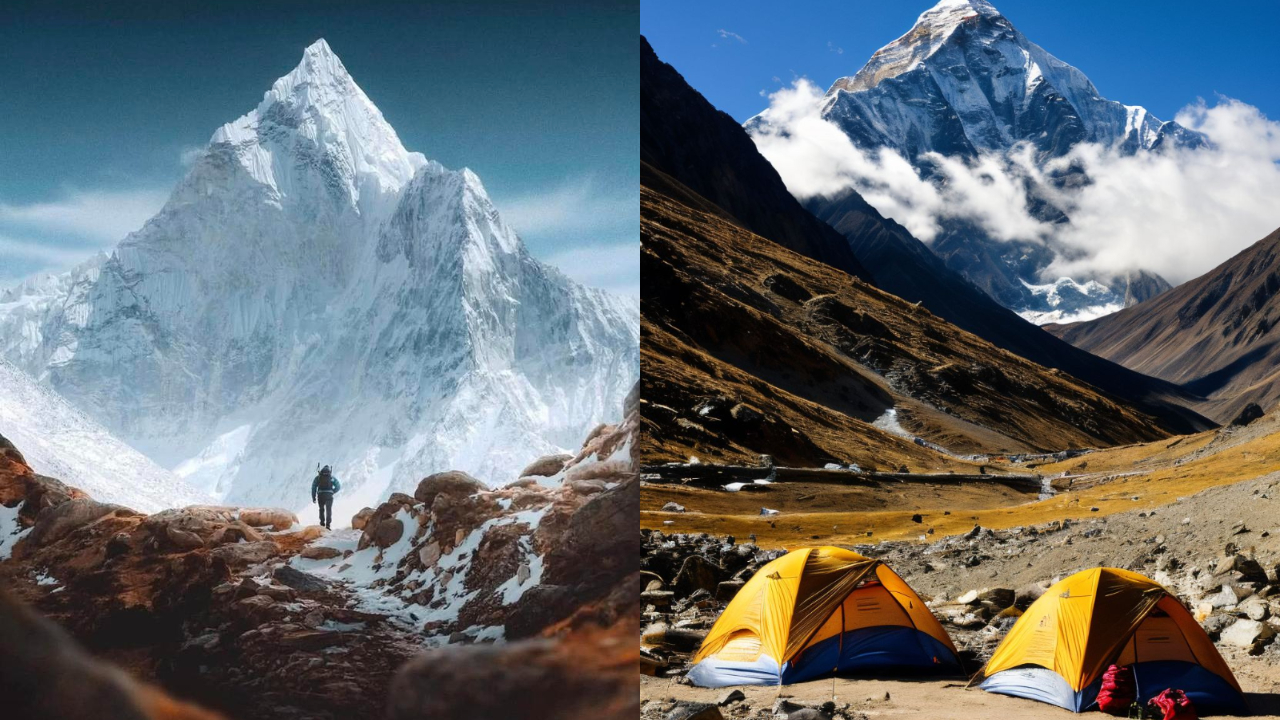
Along the Trek: Tea houses (lodges) in Namche Bazaar, Tengboche, Dingboche, Lobuche, and Gorakshep. Basic rooms are available with or without attached bathrooms. Cost per night: $5–$15.
Kathmandu: Thamel area has budget guesthouses, mid-range hotels, and luxury stays. Cost per night: ₹1,200–₹6,000.
- Food Options
Local Cuisine: Dal Bhat (rice and lentils), momos (dumplings), noodles, soups, and eggs.
Snacks: Energy bars, chocolate, biscuits, and hot drinks are widely available.
Tips: Carry ready-to-eat meals and water purification tablets for higher altitudes.
Permits and Documentation
Mandatory Permits
- TIMS Card (Trekkers’ Information Management System): Required for all foreign trekkers; obtained in Kathmandu or Lukla.
- Sagarmatha National Park Permit: Mandatory; issued in Kathmandu or at the park entrance.
Documents Required
- Original and photocopy of ID (passport for Indians)
- Medical certificate from an MBBS doctor
- Disclaimer form provided by trek leaders
Permit Costs (Tentative)
- TIMS Card: $10–$20
- Sagarmatha National Park Permit: $30
Note: Permits are checked at forest and park checkpoints along the trek.
Can You Trek Without a Guide?
Yes, experienced trekkers can attempt the EBC trek without a guide if they are well-prepared with maps, GPS, and trekking knowledge.
Advantages of a Trek Leader
- Manages logistics, accommodation, and permits
- Provides acclimatisation advice and emergency assistance
- Shares local knowledge and cultural insights
Solo Trek Considerations
- Weather in the Himalayas is unpredictable; flights can be delayed
- Trekkers must carry adequate insurance and be fit for high-altitude trekking
Top Things to Do
Kala Patthar Summit
- The best viewpoint for Mount Everest without climbing it
- Panoramic sunrise and sunset views of Everest, Lhotse, Nuptse, and Pumori
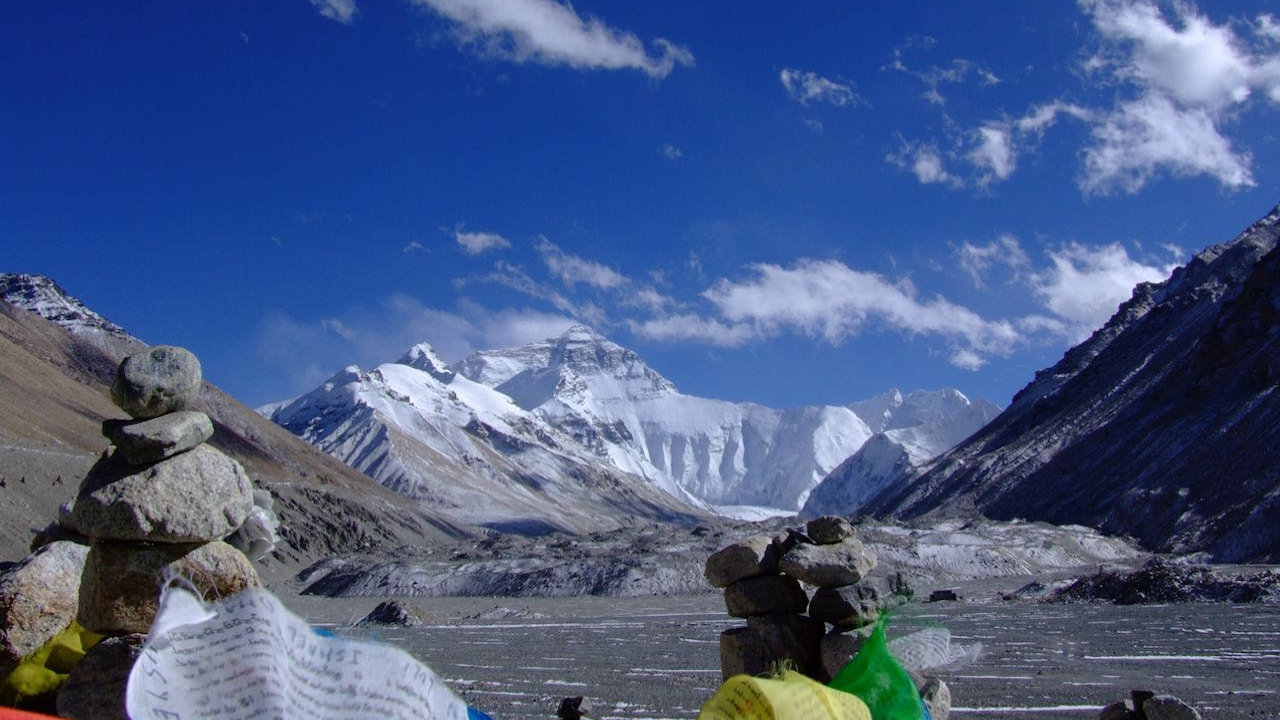
Everest Base Camp
- Experience climbers’ tents, prayer flags, and the Khumbu Glacier
- Iconic photo opportunity and a sense of accomplishment
Namche Bazaar
- Sherpa capital with markets for handicrafts and trekking gear
- Visit the Sherpa Museum to learn about mountaineering history
Tengboche Monastery
- Largest monastery in the Khumbu region
- Offers spectacular views of Everest and Ama Dablam
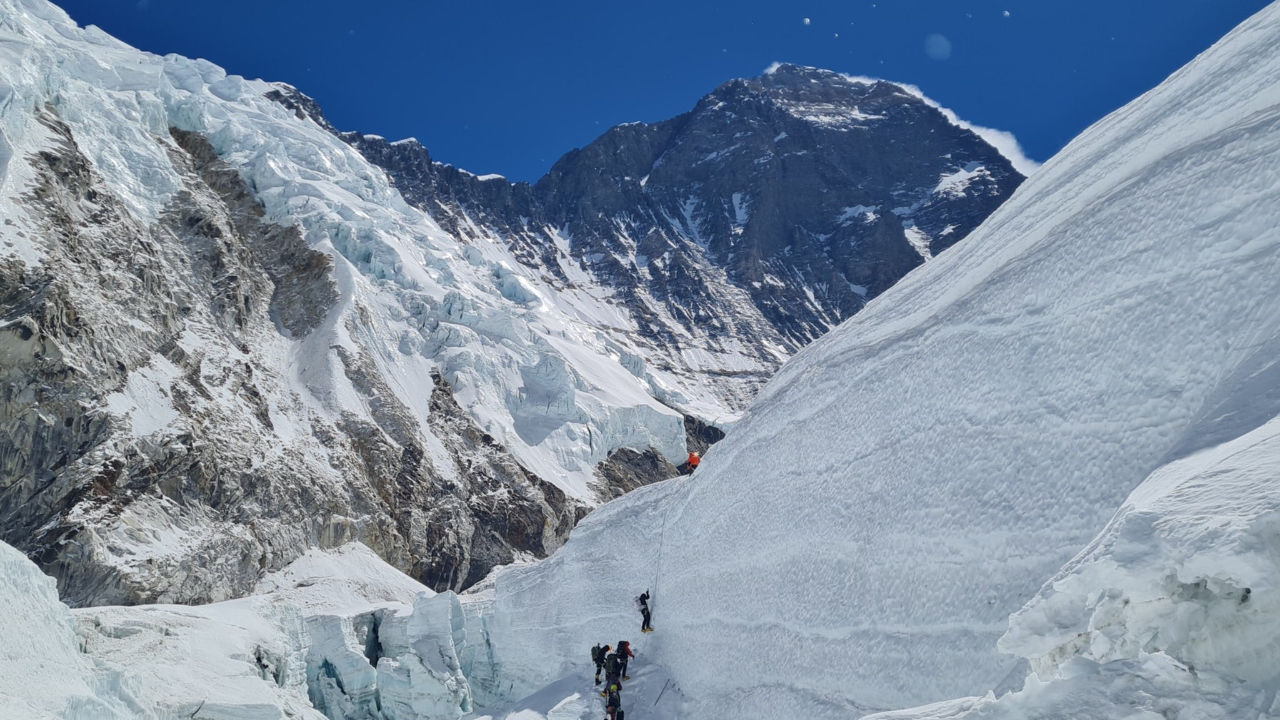
Khumbu Glacier and Icefall Views
- Observe massive glaciers, deep crevasses, and climbing camps from a safe distance
Rhododendron Forests
- Bloom in spring (April–May) with vibrant colours
Sherpa Villages and Cultural Stops
- Villages like Dingboche, Lobuche, and Khumjung
- Try Thukpa, Momos, and interact with locals
Everest Viewpoint Hikes
- Short hikes from Namche Bazaar or Dingboche offer excellent photo opportunities
Sunrise and Sunset at High Altitudes
- Golden light on snow-capped peaks provides magical views
Local Cuisine and Tea Houses
- Do not miss Dal Bhat, Momos, and hot butter tea
Currency Exchange Tips
- Carry US Dollars or Indian Rupees in denominations of 100–200 only
- INR 500 and above notes are banned in Nepal
- Exchange a small amount at the airport; better rates are available in Thamel and around Buddha Stupa
Buffer Days and Weather
- Plan at least three buffer days; weather in the Himalayas is unpredictable
- Lukla flights can be delayed, impacting your trek schedule
- Flexibility is essential for a smooth journey
Trek Difficulty and Fitness Requirements
- Distance: ~110.5 km over 10 trekking days
- Altitude gain: Approximately 8,900 feet (from 9,300 ft to 18,200 ft)
- Terrain: Steep ascents, descents, boulder sections
- Acute Mountain Sickness (AMS) risk above 10,000 ft
Fitness Tips
- Regular walking, jogging, or running strengthens trekking muscles
- Aim to walk or jog 10 km in under 60 minutes
- Good fitness ensures enjoyment and prevents slowing down your team
Essential Gear Checklist
Clothing and Accessories: Sunglasses, sun cap, waterproof gloves, balaclava, woollen socks, dry-fit layers, warm jackets, headlamp, trekking poles, rain jacket, poncho
Toiletries: Sunscreen, lip balm, moisturiser, toothbrush, toothpaste, light towel, reusable covers for used clothes
Cutlery and Hydration: Steel lunch box, spoon, coffee mug, two water bottles or hydration pack
Medical Kit: Dolo, Diamox (for AMS), ORS, knee brace
Backpack Tips: Keep it light and organised; every extra kilo counts at high altitudes
Emergency and Medical Support
- Helicopter evacuation available from Gorakshep or Pheriche; weather-dependent and costly without insurance
- Basic medical aid available in Namche Bazaar and other lower villages
- Nearest hospitals in Lukla and Kathmandu
Best Time to Visit
Spring (April–May): Slightly warmer, rhododendrons in bloom, some snow patches
Autumn (October–November): Clear skies, dry and crisp air, ideal trekking conditions
Book flights at least two days before the trek to account for delays.
Estimated Overall Cost for Indian Trekkers (in INR)
- Flights (India-Kathmandu-India): ₹20,000–₹35,000
- Kathmandu-Lukla-Lukla-Kathmandu flights: ₹28,000–₹36,000
- Accommodation along the trek: ₹415–₹1,245 per night (10–12 nights → ₹4,150–₹14,940)
- Food: ₹250–₹660 per meal (3 meals/day for 12 days → ₹9,000–₹23,760)
- Permits (TIMS + Sagarmatha National Park): ₹3,320–₹4,150
- Total Approximate Cost: ₹64,470–₹114,000
Why Every Trekker Must Do the Everest Base Camp Trek?
The Everest Base Camp trek is a must-do for every serious trekker because it offers an unparalleled blend of adventure, challenge, and natural beauty. Trekking through the world’s highest mountains provides breathtaking panoramas that stay etched in your memory forever. Beyond the stunning landscapes, the trek tests both physical endurance and mental resilience, pushing you to discover your limits while adjusting to high-altitude conditions.
Along the way, you experience the rich Sherpa culture, visit monasteries like Tengboche, and witness life in remote Himalayan villages. Reaching EBC or Kala Patthar delivers a profound sense of accomplishment, making the long hours of trekking, rocky trails, and altitude challenges completely worth it. For trekkers seeking adventure, self-discovery, and a life-changing journey, Everest Base Camp is an essential pilgrimage into the heart of the Himalayas.
Explore the latest Lifestyle NewsFood and RecipesHealth NewsAsianet News Official App