Running Shoes Vs Walking Shoes: Which Pair Fits Your Lifestyle Best? Find Out Now!
Synopsis
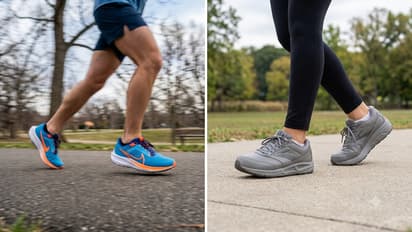
Running and walking place different demands on your feet, making the right footwear important. Running shoes offer stronger cushioning, shock absorption and support for high-impact exercise, while walking shoes focus on flexibility, stability and everyday comfort. Choose based on your routine and the activity you do most often.
Running shoes and walking shoes may look similar, but they are designed around different types of movement. Running puts greater impact on the feet, while walking involves a slower and more controlled heel-to-toe motion. That is why the right footwear depends largely on how you plan to use it.
Start With Your Daily Routine
If running or jogging is part of your regular fitness routine, running shoes are generally the better option. They are also useful for treadmill sessions, gym workouts, interval training and other high-impact exercises where your feet repeatedly absorb greater force.
Walking shoes are better suited to people who primarily walk for fitness or spend long periods commuting, travelling, shopping or standing. Their design focuses more on comfort, flexibility and stability for everyday movement.
Home Workout Walking Pad or Treadmill? Finding the Best Fit for You!
Why Running Shoes Are Built Differently
Running creates significantly more impact than walking, so running shoes are designed to manage that additional force. They typically feature cushioned midsoles that absorb impact while providing a responsive feel as you move.
Many models also include supportive heel structures, breathable uppers and durable rubber outsoles. Depending on the design, they may be made specifically for road running, trail running or treadmill workouts.
Running shoes are particularly useful for jogging, sprinting, marathon training, treadmill sessions and high-impact fitness routines. However, some heavily cushioned models may feel less flexible during casual walking.
Stubborn Tan? These 3 Easy Home Remedies Can Help Brighten Skin!
What Makes Walking Shoes Comfortable?
Walking shoes are designed around the natural movement of taking regular steps. Instead of focusing heavily on impact absorption, they usually prioritise flexibility, stability and comfort.
A flexible forefoot allows the foot to roll naturally from heel to toe, while a stable sole can make walking feel more secure. Lightweight construction and breathable materials also make walking shoes practical for people who spend several hours on their feet.
They are particularly suitable for morning walks, daily commuting, travelling, shopping, office use and long periods of standing.
Which Shoes Are Better For Exercise?
Your workout determines which footwear makes more sense.
For running, sprinting, jumping and other high-impact activities, running shoes are the stronger choice. Their cushioning and supportive construction are designed to handle the repeated impact generated during these movements.
For brisk walking, light workouts and other low-impact activities, walking shoes can provide sufficient support while offering greater flexibility for everyday movement.
Using shoes designed for your primary activity can also make workouts more comfortable and help you avoid unnecessary strain caused by unsuitable footwear.
Which Pair Is Better For Everyday Wear?
Walking shoes generally have an advantage when everyday comfort is the priority. They are designed for consistent, moderate movement and can work well for commuting, shopping, travelling and spending long hours on your feet.
Running shoes can also be perfectly comfortable for casual use, especially models with softer cushioning. However, shoes with very thick midsoles may feel less stable or flexible during slow-paced walking.
The most important factor is how well the shoe fits your foot. Even the most technically advanced shoe will not be comfortable if the size, shape or support does not suit you.
How Long Can They Last?
The lifespan of footwear depends on how frequently it is used, the surface you walk or run on, your body weight and the construction of the shoe.
Running shoes often need replacement after roughly 500 to 800 kilometres, although some may last longer. The cushioning can gradually lose its effectiveness as the shoe absorbs repeated impact.
Walking shoes may last around 600 to 1,000 kilometres when used mainly for walking. However, mileage is only a guideline. Visible sole wear, flattened cushioning, reduced support or new discomfort are better signs that it may be time for a replacement.
So, Which Pair Should You Choose?
Choose running shoes if your routine includes regular running, jogging, treadmill workouts, marathon training or high-impact exercise.
Choose walking shoes if you mainly walk, commute on foot, travel frequently, spend long hours standing or want comfortable footwear for everyday activities.
Ultimately, neither type is universally better. The right choice depends on your movement, routine and comfort needs. If running is your priority, invest in footwear designed to handle impact. If walking makes up most of your day, prioritise flexibility, stability and all-day comfort.
Explore the latest Lifestyle NewsFood and RecipesHealth NewsAsianet News Official App