Famous mango varieties of India: From Totapuri to Banganapalli
Synopsis
Discover the origin, naming, and unique characteristics of 10 famous Indian mangoes. From Alphonso to Dasheri and Langra, each mango has a story to tell.
In India, mango is not just a fruit; it's an emotion, a tradition, and a pride. India accounts for nearly 50% of the world's mango production, boasting hundreds of varieties. Some are renowned for their taste, aroma, texture, and history. Indian mangoes are not just about taste but also symbolize history, culture, and local traditions. Each mango has its own story – some named after saints, some after villages, and others linked to historical victories. Let's explore 10 of India's most famous mangoes – their origin, naming, and special qualities:
10 Famous Mangoes of India

1. Alphonso (Hapus Mango)
Origin: Ratnagiri, Maharashtra (originally brought by the Portuguese).
Naming: Named after the Portuguese general Afonso de Albuquerque.
Special Qualities:
- Extremely sweet, fiberless pulp
- Rich saffron color and strong aroma
- Highest demand in exports
2. Dasheri
Origin: Kakori, Lucknow (Uttar Pradesh)
Naming: Named after an old orchard in Dasheri village.
Special Qualities:
- Thin-skinned, juicy
- Very sweet taste
- Most popular mango among children
3. Langra
Origin: Varanasi (Banaras), Uttar Pradesh
Naming: First cultivated by a lame fakir, hence the name "Langra" (lame).
Special Qualities:
- Light green pulp, fiberless
- Intense flavor and aroma
- Retains light green color even when ripe
4. Totapuri
Origin: Andhra Pradesh, Karnataka, and Tamil Nadu
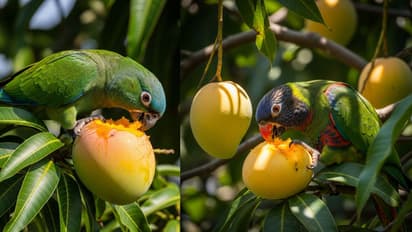
Naming: Its tip resembles a parrot's beak– hence "Totapuri".
Special Qualities:
- Sweet and sour taste, less fiber
- Most commonly used in juice, panna, and pickles
- Skin can also be eaten
5. Banganapalli
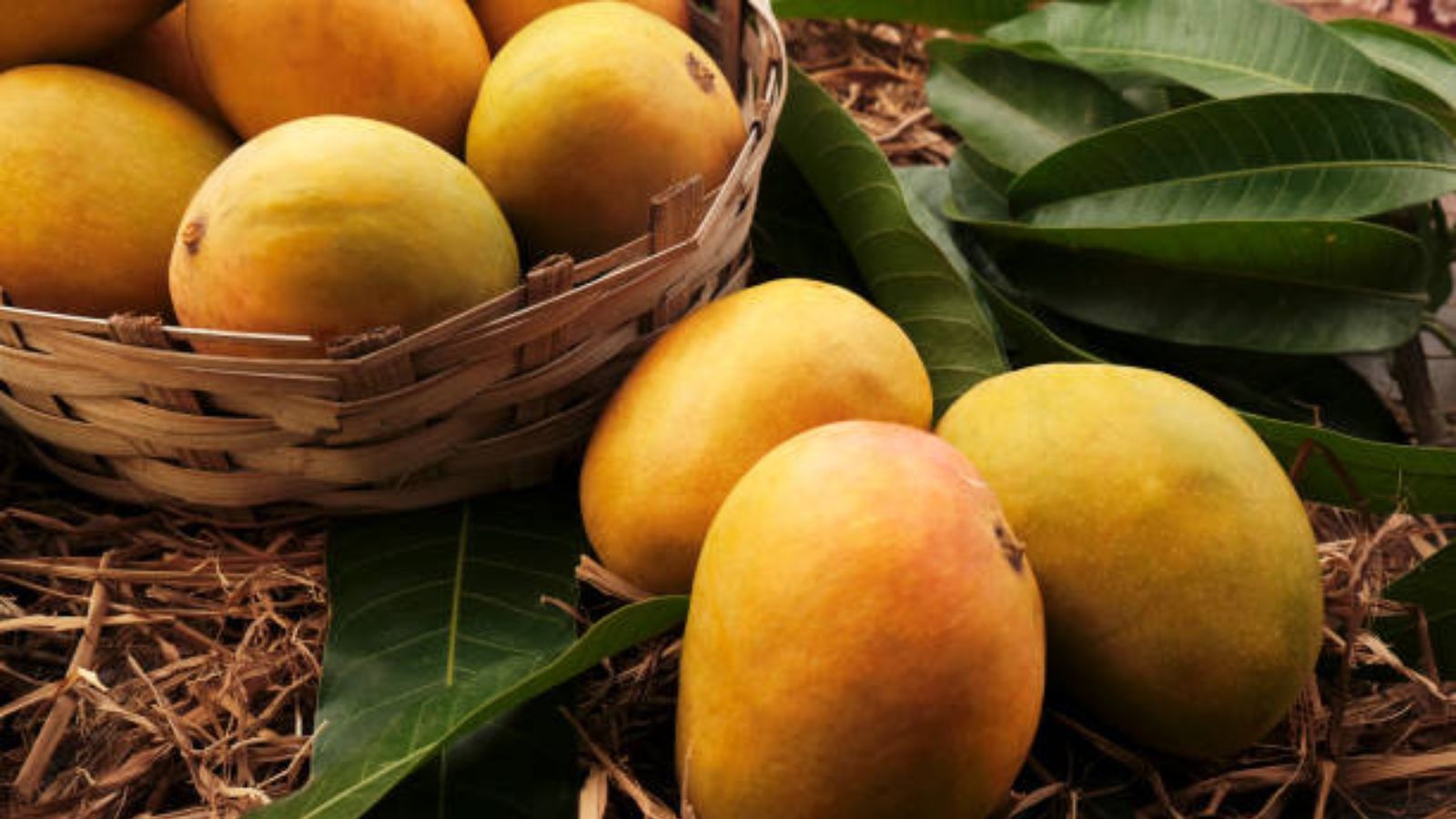
Origin: Banganapalli village in Nandyal district of Andhra Pradesh
Naming: Named after the village
Special Qualities:
- Thin-skinned, deep yellow color
- Sweet and fiberless
- GI tagged mango from Andhra
6. Chausa
Origin: Chausa area of Buxar district, Bihar
Naming: Sher Shah Suri defeated Humayun in Chausa, and this mango was named "Chausa" to celebrate the victory.
Special Qualities:
- Most juicy
- Enjoyable to eat by squeezing with hand
- Considered the sweetest among native mangoes
7. Kesar
Origin: Near Girnar Hills in Junagadh district of Gujarat
Naming: Its color is deep like saffron – hence the name "Kesar".
Special Qualities:
- Perfect in sweetness, aroma, and color
- Widely used in sweets and mango pulp
- GI tagged
8. Sindhura
Origin: Mainly Karnataka and Tamil Nadu
Naming: Its color is deep red like ripe vermilion (Sindur)
Special Qualities:
- Beautiful appearance, mildly sweet
- Great for sucking
- Very juicy
9. Fazli
Origin: Malda, West Bengal
Naming: Named after a farmer 'Fazl'
Special Qualities:
- Largest in size (one mango up to 1.5 kg)
- Best for making pickles and pulp
- Late-ripening mango
10. Malgova
Origin: Tamil Nadu and Karnataka
Naming: Believed to have originated from "Malgudi"
Special Qualities:
- Rich sweet taste and large size
- Very less fiber, export quality
- Slightly thick skin
Explore the latest Lifestyle NewsFood and RecipesHealth NewsAsianet News Official App