Air Pollution and Lung Health: Why Early Diagnosis Can Save Lives
Synopsis
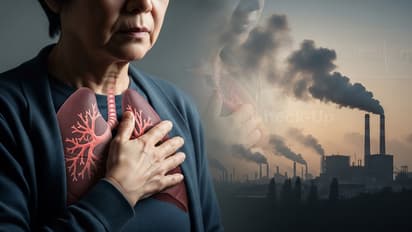
Air pollution is no longer just an environmental issue—it’s a growing health emergency. From persistent cough to chronic lung disease, polluted air is silently damaging our respiratory system.
Winter no longer announces itself with a chill across South Asia. Instead, it arrives wrapped in a choking veil of smog. From Bangladesh to Pakistan to India, some of the world’s worst air quality has become routine. India alone hosts 92 of the planet’s 100 most polluted cities, with New Delhi anchored at the top of the list. Just 10 Indian cities manage a “Good” annual AQI, signaling a public-health emergency hiding in plain sight. Globally, approximately 99 per cent of people breathe air dirtier than safety standards allow, and only 2.3 per cent of Asian cities meet the WHO’s PM2.5 norms. In this reality, respiratory health isn’t just at risk; it’s under siege.
The Growing Burden on the Respiratory System
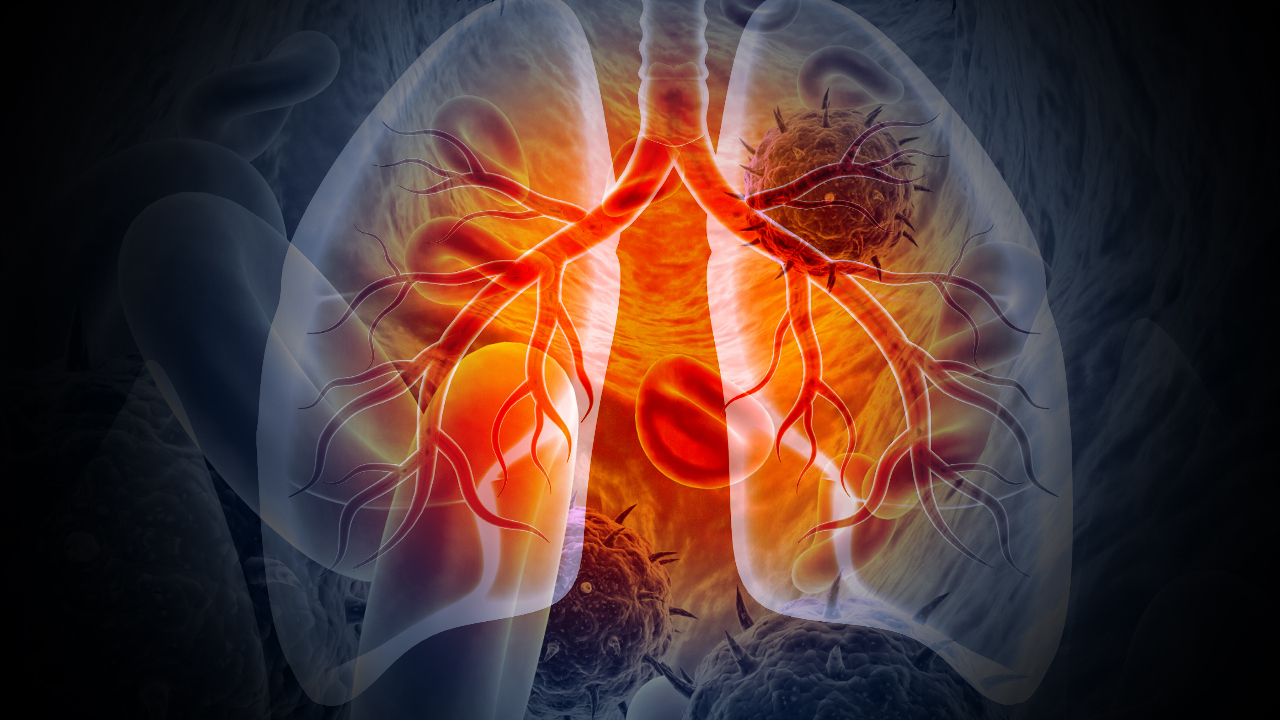
Environmental air pollution is now recognised as a major risk factor for respiratory dysfunction. As pollutant levels cross critical thresholds, inhaled particulate matter and chemicals trigger airway inflammation, irritation, and long-term structural damage. Studies highlight that combustion-derived metals, organic carbon particles, and fine particulate matter (PM2.5) penetrate deep into lung tissue, impairing the thin barrier between alveoli and blood vessels. Repeated exposure further causes chronic inflammation, abnormal cell growth as well as compromised lung function.
These biological stresses translate into widespread illness. Asthma attacks surge during smog-heavy periods as ozone and fine particles narrow the airways. Repeated irritation of the bronchial tubes contributes to chronic bronchitis. On the other hand, prolonged exposure accelerates COPD (Chronic Obstructive Pulmonary Disease), even in people who have never smoked. Pollution-related toxins carried by fine particles are also linked to rising lung cancer cases among non-smokers.
Moreover, a study published in the Journal of Clinical Investigation reinforces this concern. It concludes by stating that particulate pollution is identified as a major environmental health risk responsible for significant respiratory morbidity and mortality. In addition, most excess deaths are linked to cardiovascular causes, underscoring how deeply polluted air affects the body beyond the lungs.
Air Pollution’s Wide Net: Systemic Risks and Early Detection Strategies

Air pollution may target the lungs first, but its effects spread throughout the body. Polluted air contributes to hypertension, anaemia, atherosclerosis, cognitive decline, and even skin, digestive, and reproductive issues. These risks intensify in dense urban smog, especially for children, older adults, pregnant women as well as those with existing conditions.
Since many pollution-related disorders progress silently, early diagnosis is vital. Chest X-rays, CT scans, spirometry, and diffusion tests can detect subtle airway obstruction, reduced lung capacity, and structural changes. For individuals exposed to high pollution levels, regular screening supports timely intervention and limits long-term harm.
Strengthening Preventive Care
With pollution levels rising annually, preventive care has become indispensable. Administrative and engineering controls, safer material substitutes along with respiratory protective devices minimise exposure in high-risk settings. At home, practices such as monitoring AQI, avoiding peak pollution hours, wearing well-fitted N95 or N99 masks, and using HEPA-based air purifiers help reduce pollutant intake.

Additionally, lifestyle measures play a major role. Nutrient-rich foods that support the body’s natural defence system, including citrus fruits, guava, kiwi, pomegranate, papaya, nuts, seeds, and garlic, can be consumed. They effectively counter oxidative stress triggered by pollutant exposure. Also, hydration, timely meals plus avoiding nutrient deficiencies support immunity and respiratory resilience. Morning routines that incorporate turmeric, tulsi, lemon, or cloves improve anti-inflammatory support. Also, balanced meals built around vegetables, legumes and whole grains assist in maintaining overall metabolic health.
In sum, air pollution has evolved into one of this decade’s most urgent public-health threats. Asian cities, especially in India, are bearing the brunt of global PM2.5 exceedances. As respiratory risks climb, early diagnosis becomes a critical line of defence, and preventive care and screenings help curb long-term damage. Ultimately, confronting this crisis demands more than awareness: it requires decisive, timely intervention, ensuring communities can breathe safely in the years ahead.
-Attributed to Dr Sushil Uphadyay (Chest physician), Kailash Hospital, Dehradun
Explore the latest Lifestyle NewsFood and RecipesHealth NewsAsianet News Official App