Yogurt Vs Curd: Know key difference, make informed choice; Read NOW
Published : Mar 10, 2025, 03:52 PM IST
Curd and yogurt are both fermented dairy products, but they differ in bacterial cultures, texture, taste, and preparation. While curd is a traditional homemade staple using natural bacteria, yogurt is made with specific probiotic strains under controlled conditions. Let’s explore what sets them apart
15
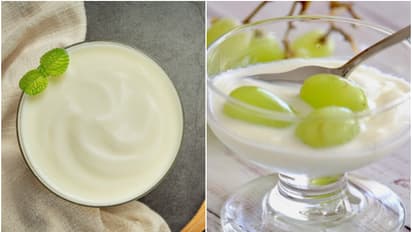
Bacterial Cultures
The main difference between curd and yogurt lies in the type of bacteria used for fermentation. Curd is made using naturally occurring bacteria present in milk, whereas yogurt is produced using specific, scientifically chosen bacterial strains to ensure consistency and probiotic benefits
Explore the latest Lifestyle NewsFood and RecipesHealth NewsAsianet News Official App
Read more