What Is Hantavirus? Cruise Ship Cases Raise Questions About Rare Disease

Published : May 06, 2026, 03:46 PM IST

A suspected hantavirus outbreak on a cruise ship has raised global concern. While the risk remains low, experts are investigating how this rare rodent-borne disease spread and what it means for public health
PREV
13
What is hantavirus and how does it spread

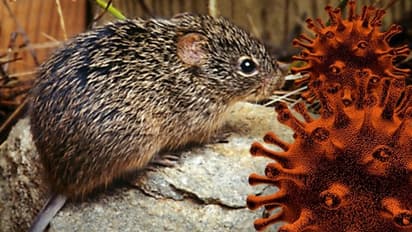
Hantavirus is a group of viruses mainly spread by rodents through their urine, droppings, or saliva. Humans usually get infected by inhaling tiny particles from dried rodent waste, especially when cleaning contaminated areas. It can also spread by touching infected surfaces and then touching the face, though bites are rare causes.

In most cases, hantavirus does not spread between humans. However, the Andes strain found in South America is known to transmit from person to person in rare situations. According to World Health Organization, such transmission is being cautiously considered in the current cruise ship outbreak, where close contact among passengers may have played a role.

Experts are still unsure how the virus appeared on the ship. Possible explanations include infected rodents onboard or passengers being exposed earlier at a port, such as Argentina, before symptoms developed.

23
Symptoms and severity: from mild illness to life-threatening conditions

Hantavirus infections often begin like the flu, making early detection difficult. Common symptoms include fever, fatigue, chills, muscle aches, headaches, and sometimes nausea or abdominal pain.

As the disease progresses, it can become severe. There are two main types of illness caused by hantavirus:

Hantavirus Pulmonary Syndrome (HPS) – Found in the Americas, it affects the lungs. Patients may develop breathing difficulty as fluid builds up in the lungs. Nearly 40 percent of severe cases can be fatal.

Hemorrhagic Fever with Renal Syndrome (HFRS) – More common in Europe and Asia, it affects the kidneys and can lead to low blood pressure, internal bleeding, and kidney failure. Fatality rates range from 5 to 15 percent.

Symptoms may appear anywhere between one to eight weeks after exposure, which makes tracking the source of infection challenging, especially in travel-related cases like cruise ships.

33
Treatment, prevention and why the risk remains low

There is currently no specific cure or antiviral treatment for hantavirus. Patients are treated with supportive care such as rest, hydration, and oxygen therapy if needed. Early medical attention improves survival chances significantly.

Prevention is the most effective defense. This includes keeping homes and surroundings free of rodents, sealing entry points, storing food properly, and disposing of garbage safely. When cleaning rodent droppings, experts recommend wearing gloves, using disinfectant like bleach, and avoiding sweeping dry waste to prevent airborne particles.

Despite the alarming nature of the cruise ship cases, health authorities stress that the overall risk to the public remains low. Hantavirus is rare, and outbreaks are uncommon. Investigations, including virus testing and environmental sampling, are ongoing to understand the exact source and prevent further spread.

Explore the latest Lifestyle News covering fashion, wellness, travel, Food and Recipes, and more. Stay updated with trending Health News, fitness tips, and expert insights to inspire your daily living. Discover personalized lifestyle trends that keep you stylish and informed. Download the Asianet News Official App from the Android Play Store and iPhone App Store for everything that adds value to your everyday life.


Read more Photos on

Recommended Stories