Why Your Dosa Isn’t Crispy Enough? Your Tawa Could Be the Reason, Experts Explain

Published : Aug 08, 2026, 04:08 PM IST

Iron dosa tawa or non-stick pan—which one makes crispier, golden dosas? Compare heat retention, cooking performance, seasoning, sticking and ease of use to find the best tawa for perfectly crispy dosas at home.
PREV
14
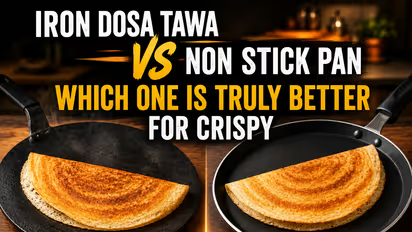
Iron Dosa Tawa vs Non-Stick

For many of us, breakfast means dosa. But the big kitchen debate is always this: should you use a traditional iron tawa or a modern non-stick one? One side swears by the unique taste from an iron tawa. The other side loves how non-stick pans need less oil and prevent sticking. The truth is, both have their own plus points and things to watch out for.

The iron tawa, a staple in Indian homes for generations, holds heat really well. This helps your dosa cook evenly all over. It's the top choice for many who want that perfect crispy dosa, adai, or uthappam. Once the tawa gets hot, it stays hot, which is a huge plus when you're making one dosa after another. Some studies also say cooking in iron vessels can add a little iron to your food. But the amount depends on many things, so you can't just rely on your tawa for your daily iron needs.

24
Is using an iron tawa that easy?

So, is using an iron tawa a piece of cake? Not really. It needs a bit more love and care compared to a non-stick pan. Before you use a new iron tawa, you have to 'season' it properly. This usually means applying oil and heating it to create a natural non-stick layer. After cooking, never leave it wet. You must dry it completely and apply a thin layer of oil to stop it from rusting. If you don't take care of it, your dosas will stick and you'll end up with a rusty pan.

On the other hand, a non-stick tawa is all about convenience. The batter spreads easily, and the dosa flips without any fuss. This makes it a great choice for people new to cooking. Plus, you can cook with very little oil, which is a big win for many. During the morning rush, a non-stick tawa can be a real time-saver.

But here's the main thing to remember with non-stick pans: you have to protect the coating. Never use metal spoons, knives, or spatulas on it, as they can scratch the surface. Stick to wooden or silicone tools. Also, avoid heating the pan on high flame when it's empty. Always follow the instructions that came with the tawa.

34
Which one wins in the taste test?

When it comes to taste, who wins? This is a personal choice, but many old-school food lovers believe that dosas made on an iron tawa have a special taste and texture. If your tawa is seasoned well and you use the right amount of oil, getting that perfect crispy dosa is easy. But when it's about pure convenience, the non-stick pan takes the lead because dosas just slide right off.

Now, let's talk about how long they last. Here, the iron tawa is the clear winner. If you maintain a quality iron tawa properly, it can last for years, even for generations. Many families pass down their iron tawas! The lifespan of a non-stick tawa depends entirely on its coating's quality and how you use it. If the coating gets damaged, you'll have to replace the pan.

As for weight and handling, iron tawas are quite heavy. Lifting and moving them can be a task for some. Non-stick tawas are usually lightweight, making them easy to use and wash every day.

So, the simple rule is: If you want convenience, go for non-stick. If you want a long-lasting, traditional cooking experience, the iron tawa is your best bet.

44
The main difference in cleaning

Cleaning a non-stick tawa is usually a breeze. Since food doesn't stick, you don't need to scrub hard. With an iron tawa, you have to be careful not to scrub off the seasoning. The most important step is to dry it completely after washing to prevent rust. If it does get rusty, you'll have to clean it up and season it all over again.

So, which tawa should you buy? 

There's no single right answer. If you want super crispy dosas, a pan that lasts forever, and a traditional cooking feel, a good quality iron tawa is a great choice. If you value easy handling, quick cleaning, and using less oil, then a quality non-stick tawa will be more convenient for you. Many homes actually keep both! They use the non-stick for quick, daily cooking and pull out the iron tawa for special dishes like crispy dosas or adai.

Remember, it's not just about the tawa, but how you use it. You must season and maintain your iron tawa. You must protect the non-stick coating from scratches and high heat. If the coating starts to peel or gets deep scratches, it's best to replace the pan.

The final verdict is simple:

Taste + Long Life + Tradition = Iron Tawa.

Convenience + Easy Cleaning + Less Oil = Non-Stick Tawa.

So, instead of asking 'Which is better?', ask 'Which is better for my kitchen?'

Explore the latest Lifestyle News covering fashion, wellness, travel, Food and Recipes, and more. Stay updated with trending Health News, fitness tips, and expert insights to inspire your daily living. Discover personalized lifestyle trends that keep you stylish and informed. Download the Asianet News Official App from the Android Play Store and iPhone App Store for everything that adds value to your everyday life.


Read more
Read more Photos on

Recommended Stories