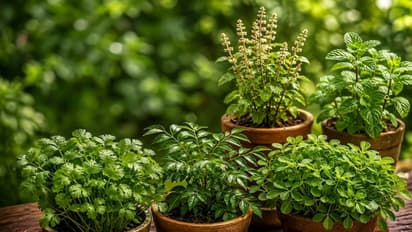
Used coffee grounds, often discarded, offer five key natural benefits for garden plants, enhancing soil structure, providing essential nutrients like nitrogen, and even deterring common pests.
Home gardeners are increasingly discovering the hidden potential of used coffee grounds as a powerful, natural enhancer for their plants. These everyday kitchen discards can provide a significant boost to garden health, offering an eco-friendly alternative to synthetic products and contributing to soil vitality. Incorporating compost into your gardening practices is a sustainable way to improve plant growth and reduce waste.
Far from being mere waste, spent coffee grounds are packed with nutrients and have various applications that can elevate your gardening game. From nourishing the soil to keeping pests at bay, these humble remnants of your morning brew are a gardener’s secret weapon.
26
Enriching Soil with Essential Nutrients
One of the primary benefits of coffee grounds is their rich nutritional profile. They contain vital elements like nitrogen, phosphorus, and potassium, along with micronutrients such as magnesium, copper, and calcium. As a slow-release fertilizer, used coffee grounds gradually supply these nutrients to plants, promoting healthy foliage and robust growth. However, it is crucial to use *spent* grounds, as fresh coffee grounds are highly acidic and contain caffeine which can harm plant roots.
36
Improving Soil Structure and Water Retention
The coarse texture of coffee grounds makes them an excellent soil amendment. When mixed into the soil, they enhance aeration, allowing roots better access to oxygen. This improved structure also leads to better drainage and increased water retention, especially beneficial for moisture-loving plants. For optimal results, gardeners should mix the grounds thoroughly into the soil to prevent them from forming a solid barrier when dry.
Compost enthusiasts will find coffee grounds to be a valuable 'green' material for their bins. Rich in nitrogen, they help generate heat and accelerate the decomposition process, fostering the growth of beneficial microorganisms. This balances the carbon-to-nitrogen ratio, creating nutrient-rich compost more efficiently. Coffee grounds can constitute up to 25% of composting materials.
56
A Natural Deterrent Against Pests
For gardeners battling unwelcome visitors, coffee grounds offer a non-toxic solution. Their strong aroma and gritty texture can repel common garden pests such as slugs, snails, and ants. Some reports also suggest they can deter cats and rabbits. While not a guaranteed insecticide, sprinkling a thin layer around vulnerable plants can act as an effective barrier, encouraging pests to seek other foraging grounds.
66
Supporting Acid-Loving Plants
While brewed coffee grounds are generally close to neutral in pH (between 6.2 and 6.8), they can still offer benefits to acid-loving plants like azaleas, hydrangeas, and blueberries. The organic matter and nutrients they provide contribute to the overall health of these species. Over time, used coffee grounds may slightly lower soil pH. Fresh, unbrewed grounds are more acidic but are not recommended for direct plant application due to high caffeine content.